
The Story
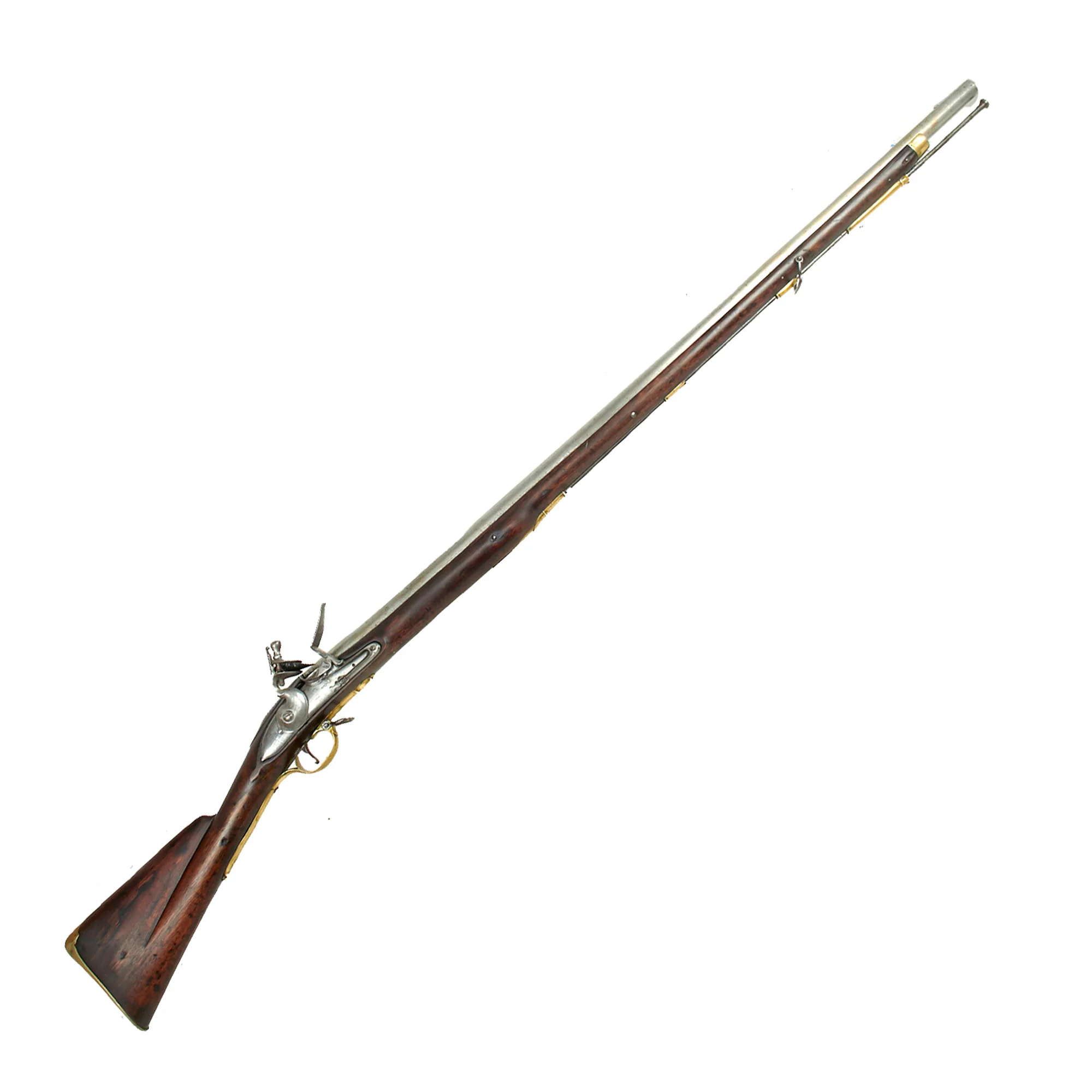
Original Item: Only One Available. This is a fine example the second type of Carcano Musketoon / Carbine introduced, the Moschetto Modello 1891 per Truppe Speciali (Musketoon Model 1891 for Special Troops). Introduced in 1897, it is slightly heavier than the Mod. 91 carbine and is fitted with a longer stock and handguard. While the TS designation means "special troops", this variant was issued to support units, such as line-of-communication troops, drivers, and artillery crews who used a rifle as a last resort weapon.
As all the various Italian Carcano variants, the design was constantly modified during its service life, often making it hard to identify exactly what version it is. During service every time a rifle or carbine was returned to arsenal for servicing, it had a good chance of having some variety of modification done to it. As originally designed, the M1891 TS was fitted with a curved nose cap that featured a transverse mounted bayonet lug, which mean that the bayonet would have the muzzle ring fitted to the barrel, and then the bayonet would be rotated to slide the channel in the hilt over the lug. This was intended to eliminate the chances of a fixed bayonet falling/flying off of the carbine during firing.
This did not work well in practice, so the first modification made was to change the take off the transverse lug, which was secured by screws on the side of the nose cap, and replace it with a standard type as used on the rifle. Next there was a handguard retaining tab added to the top of the nose cap, and removal of the easily broken metal tab on the front of the hand guard. This was followed by the addition of a second front sling swivel mounted into the left side of the handguard. Further modifications included the changing of the long curved nose cap to a short rifle style, the addition of a barrel band, and later attachment of a sling swivel on the side of the barrel band.
This example looks to have been modified up through the early 20th Century with the changing of the bayonet lug and addition of the side swivel, but it is otherwise as originally designed. It still retains the distinctive curved nose cap and stock without a barrel band. The barrel nocks form is marked on the left side with serial number A 8225, which matches the number stamped onto the left side of the butt stock. The top of the nocks form is marked BRESCIA, indicating manufacture in Brescia, a major gun-making region of Italy, and the right facet is dated 1898, indicating it was made during the second year of production for this model. There are no markings indicating that the bore was ever "Tubed" to refurbish it. As this carbine was made in 1898 it is definitely considered a Pre-1899 Antique Firearm by the BATF.
The metalwork has lots of the original blued finish, with the front receiver ring worn more towards plum, and there are no rust issues that we can see. Both "rolling" sling swivels on the left side of the carbine are still intact and functional, and the short carbine rear sight is as well. The rifle cycles well and dry fires, though we have no way to test to see if the magazine still feeds. The safety is functional as well, and we did not notice any major slop or sticking in the mechanics. The bore shows clear lands and grooves with a mostly bright finish. There is some wear to the lands, but no major oxidation or fouling, and it does look to have been well cared for during its service life. The stocks are in very good condition, with a nice color and no major damage or other issues that we can see. They do show overall wear from service, with multiple dents and small scratches.
Made BEFORE 1899, so Federally considered an Antique. A very nice example of an early type of Carcano Carbine, ready to display!
Specifications-
Year of Manufacture: 1898
Caliber: 6.5×52mm Carcano (Cartuccia Modello 1895)
Cartridge Type: Centerfire Cartridge
Barrel Length: 17.7 inches
Overall Length: 36.1 Inches
Action type: Bolt-Action
Feed System: 6 round internal magazine loaded by En-Bloc clip
More on the Carcano Series of Rifles and Carbines:
Carcano, Mannlicher-Carcano, Carcano-Mannlicher, and Mauser-Parravicino, are frequently used names for a series of Italian bolt-action, internal box magazine fed, repeating military rifles and carbines. The series of rifles is probably most well known for being used in the assassination of President John F. Kennedy by Lee Harvey Oswald, who used a Fucile di Fanteria Modello 91/38 (Model 1938 "infantry rifle"). However aside from that, the rifles and carbines were in service in front and rear line service for close to 90 years and Italy, and continue to be used to this day.
The design itself was introduced in 1891, and was chambered for the rimless 6.5×52mm Carcano cartridge (Cartuccia Modello 1895). It was developed by the chief technician Salvatore Carcano at the Turin Army Arsenal in 1890 and called the Modello (model) 91 or simply M91. Successively replacing the previous Vetterli-Vitali rifles and carbines in 10.35×47mmR, it was produced from 1892 to 1945 in various configurations. The M91 was used in both rifle (fucile) and shorter-barreled carbine (moschetto) form by most Italian troops during the First World War and by Italian and some German forces during the Second World War. The rifle was also used during the Winter War by Finland, and again by regular and irregular forces in Syria, Libya, Tunisia, and Algeria during various postwar conflicts in those countries.
Although this rifle is often called "Mannlicher–Carcano", especially in American parlance, neither that designation nor the name "Mauser–Parravicino" is correct. Its official designation in Italian is simply Modello 1891, or M91 ("il novantuno"). The magazine system uses en bloc charger clips which were originally developed and patented by Ferdinand Mannlicher, but the actual shape and design of the Carcano clip is derived from the German Model 1888 Commission Rifle.

Details & Craftsmanship
Every detail has been carefully considered to bring you the perfect product.

Details & Craftsmanship
Every detail has been carefully considered to bring you the perfect product.

Details & Craftsmanship
Every detail has been carefully considered to bring you the perfect product.

Details & Craftsmanship
Every detail has been carefully considered to bring you the perfect product.

Details & Craftsmanship
Every detail has been carefully considered to bring you the perfect product.

Details & Craftsmanship
Every detail has been carefully considered to bring you the perfect product.

Details & Craftsmanship
Every detail has been carefully considered to bring you the perfect product.

Details & Craftsmanship
Every detail has been carefully considered to bring you the perfect product.

Details & Craftsmanship
Every detail has been carefully considered to bring you the perfect product.

Details & Craftsmanship
Every detail has been carefully considered to bring you the perfect product.

Details & Craftsmanship
Every detail has been carefully considered to bring you the perfect product.

Details & Craftsmanship
Every detail has been carefully considered to bring you the perfect product.

Details & Craftsmanship
Every detail has been carefully considered to bring you the perfect product.

Details & Craftsmanship
Every detail has been carefully considered to bring you the perfect product.

Details & Craftsmanship
Every detail has been carefully considered to bring you the perfect product.

Details & Craftsmanship
Every detail has been carefully considered to bring you the perfect product.

Details & Craftsmanship
Every detail has been carefully considered to bring you the perfect product.

Details & Craftsmanship
Every detail has been carefully considered to bring you the perfect product.

Details & Craftsmanship
Every detail has been carefully considered to bring you the perfect product.
Description
Original Item: Only One Available. This is a fine example the second type of Carcano Musketoon / Carbine introduced, the Moschetto Modello 1891 per Truppe Speciali (Musketoon Model 1891 for Special Troops). Introduced in 1897, it is slightly heavier than the Mod. 91 carbine and is fitted with a longer stock and handguard. While the TS designation means "special troops", this variant was issued to support units, such as line-of-communication troops, drivers, and artillery crews who used a rifle as a last resort weapon.
As all the various Italian Carcano variants, the design was constantly modified during its service life, often making it hard to identify exactly what version it is. During service every time a rifle or carbine was returned to arsenal for servicing, it had a good chance of having some variety of modification done to it. As originally designed, the M1891 TS was fitted with a curved nose cap that featured a transverse mounted bayonet lug, which mean that the bayonet would have the muzzle ring fitted to the barrel, and then the bayonet would be rotated to slide the channel in the hilt over the lug. This was intended to eliminate the chances of a fixed bayonet falling/flying off of the carbine during firing.
This did not work well in practice, so the first modification made was to change the take off the transverse lug, which was secured by screws on the side of the nose cap, and replace it with a standard type as used on the rifle. Next there was a handguard retaining tab added to the top of the nose cap, and removal of the easily broken metal tab on the front of the hand guard. This was followed by the addition of a second front sling swivel mounted into the left side of the handguard. Further modifications included the changing of the long curved nose cap to a short rifle style, the addition of a barrel band, and later attachment of a sling swivel on the side of the barrel band.
This example looks to have been modified up through the early 20th Century with the changing of the bayonet lug and addition of the side swivel, but it is otherwise as originally designed. It still retains the distinctive curved nose cap and stock without a barrel band. The barrel nocks form is marked on the left side with serial number A 8225, which matches the number stamped onto the left side of the butt stock. The top of the nocks form is marked BRESCIA, indicating manufacture in Brescia, a major gun-making region of Italy, and the right facet is dated 1898, indicating it was made during the second year of production for this model. There are no markings indicating that the bore was ever "Tubed" to refurbish it. As this carbine was made in 1898 it is definitely considered a Pre-1899 Antique Firearm by the BATF.
The metalwork has lots of the original blued finish, with the front receiver ring worn more towards plum, and there are no rust issues that we can see. Both "rolling" sling swivels on the left side of the carbine are still intact and functional, and the short carbine rear sight is as well. The rifle cycles well and dry fires, though we have no way to test to see if the magazine still feeds. The safety is functional as well, and we did not notice any major slop or sticking in the mechanics. The bore shows clear lands and grooves with a mostly bright finish. There is some wear to the lands, but no major oxidation or fouling, and it does look to have been well cared for during its service life. The stocks are in very good condition, with a nice color and no major damage or other issues that we can see. They do show overall wear from service, with multiple dents and small scratches.
Made BEFORE 1899, so Federally considered an Antique. A very nice example of an early type of Carcano Carbine, ready to display!
Specifications-
Year of Manufacture: 1898
Caliber: 6.5×52mm Carcano (Cartuccia Modello 1895)
Cartridge Type: Centerfire Cartridge
Barrel Length: 17.7 inches
Overall Length: 36.1 Inches
Action type: Bolt-Action
Feed System: 6 round internal magazine loaded by En-Bloc clip
More on the Carcano Series of Rifles and Carbines:
Carcano, Mannlicher-Carcano, Carcano-Mannlicher, and Mauser-Parravicino, are frequently used names for a series of Italian bolt-action, internal box magazine fed, repeating military rifles and carbines. The series of rifles is probably most well known for being used in the assassination of President John F. Kennedy by Lee Harvey Oswald, who used a Fucile di Fanteria Modello 91/38 (Model 1938 "infantry rifle"). However aside from that, the rifles and carbines were in service in front and rear line service for close to 90 years and Italy, and continue to be used to this day.
The design itself was introduced in 1891, and was chambered for the rimless 6.5×52mm Carcano cartridge (Cartuccia Modello 1895). It was developed by the chief technician Salvatore Carcano at the Turin Army Arsenal in 1890 and called the Modello (model) 91 or simply M91. Successively replacing the previous Vetterli-Vitali rifles and carbines in 10.35×47mmR, it was produced from 1892 to 1945 in various configurations. The M91 was used in both rifle (fucile) and shorter-barreled carbine (moschetto) form by most Italian troops during the First World War and by Italian and some German forces during the Second World War. The rifle was also used during the Winter War by Finland, and again by regular and irregular forces in Syria, Libya, Tunisia, and Algeria during various postwar conflicts in those countries.
Although this rifle is often called "Mannlicher–Carcano", especially in American parlance, neither that designation nor the name "Mauser–Parravicino" is correct. Its official designation in Italian is simply Modello 1891, or M91 ("il novantuno"). The magazine system uses en bloc charger clips which were originally developed and patented by Ferdinand Mannlicher, but the actual shape and design of the Carcano clip is derived from the German Model 1888 Commission Rifle.