
The Story
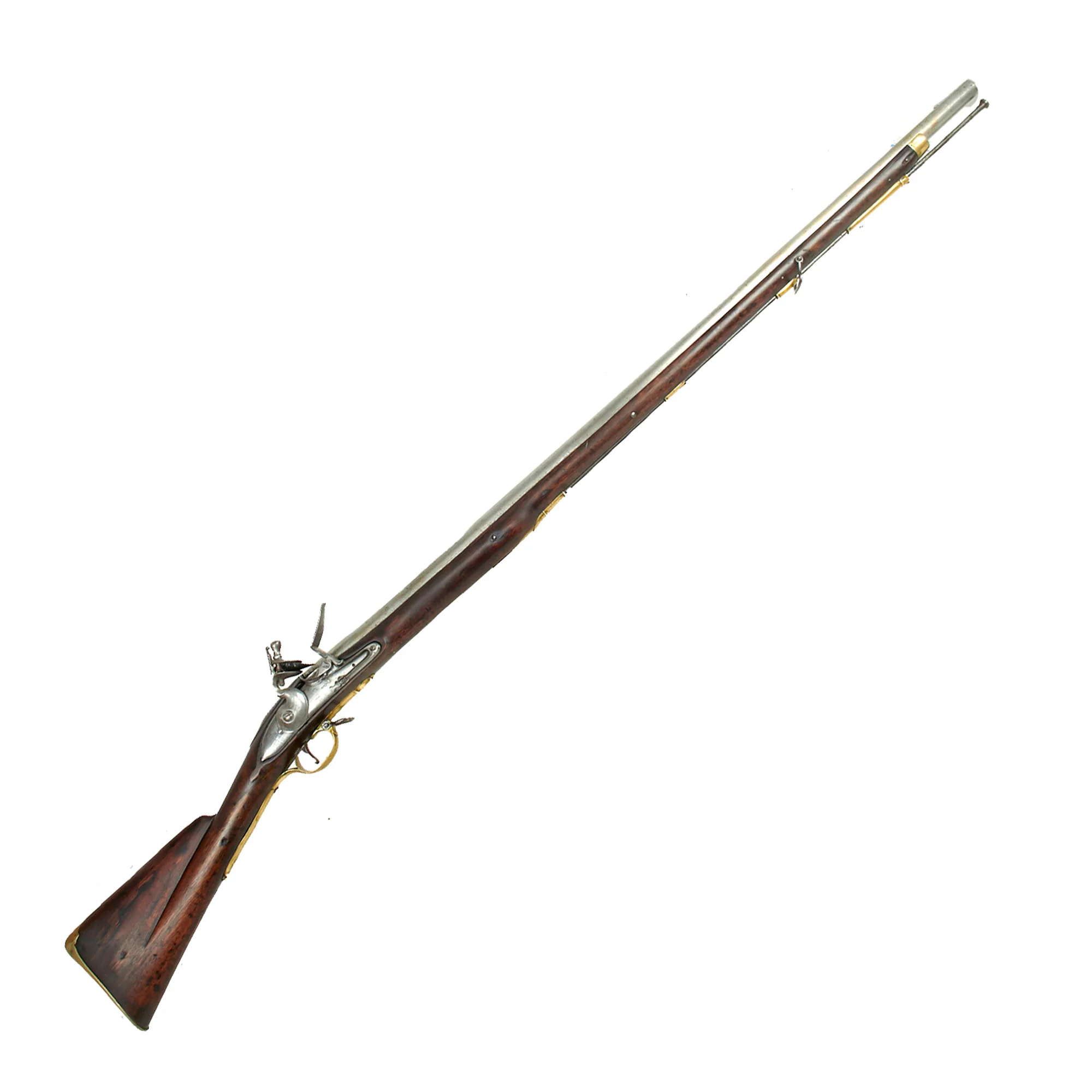
Original Item: Only One Available. World-renowned sharpshooters Annie Oakley, a star of Buffalo Bill's Wild West, and Frank C. Miller, crack shot of the Irwin Bros. Cheyenne Frontier Days Wild West Show, often shot with Marlin rifles in their exhibitions.
"I gave as high as 15 exhibitions a day, shooting under all conditions, rain, wind, night, in parades in the streets," Miller said in a 1915 interview. "And late last fall, I used some of the guns on a hunting trip to Canada and Wyoming. From all this, you can see what opinion I have of Marlin guns."
Among the several Marlin firearms Oakley owned, she particularly cherished a special presentation, engraved 1889 model. The '89 Marlin New Safety Model was the first solid-top receiver, lever action rifle with a side ejection that threw the fired cases, or live cartridges, to the right-hand side of the rifle as opposed to being thrown straight up and out of the gun. It was followed by the model 1891 and 1892, which featured incremental improvements on the design, with the 1892 being in production from 1895 to 1915, with the name changing from the Model 1892 to just Model 92 in 1905.
The Model 1892 was available in .22 rimfire and .32 centerfire, the later of which introduced some great versatility into the design when compared to the Model 1891. Changes to the magazine allowed it to now use both .32 long and .32 short interchangeably. An additional change was the ability to change the firing pin from one for centerfire to one for rimfire, both of which were included with new rifles. The right side of the receiver has a thumbscrew which allowed the side plate to be pulled off, so the breech block can be removed to replace the firing pin. Definitely a very innovative rifle for the time!
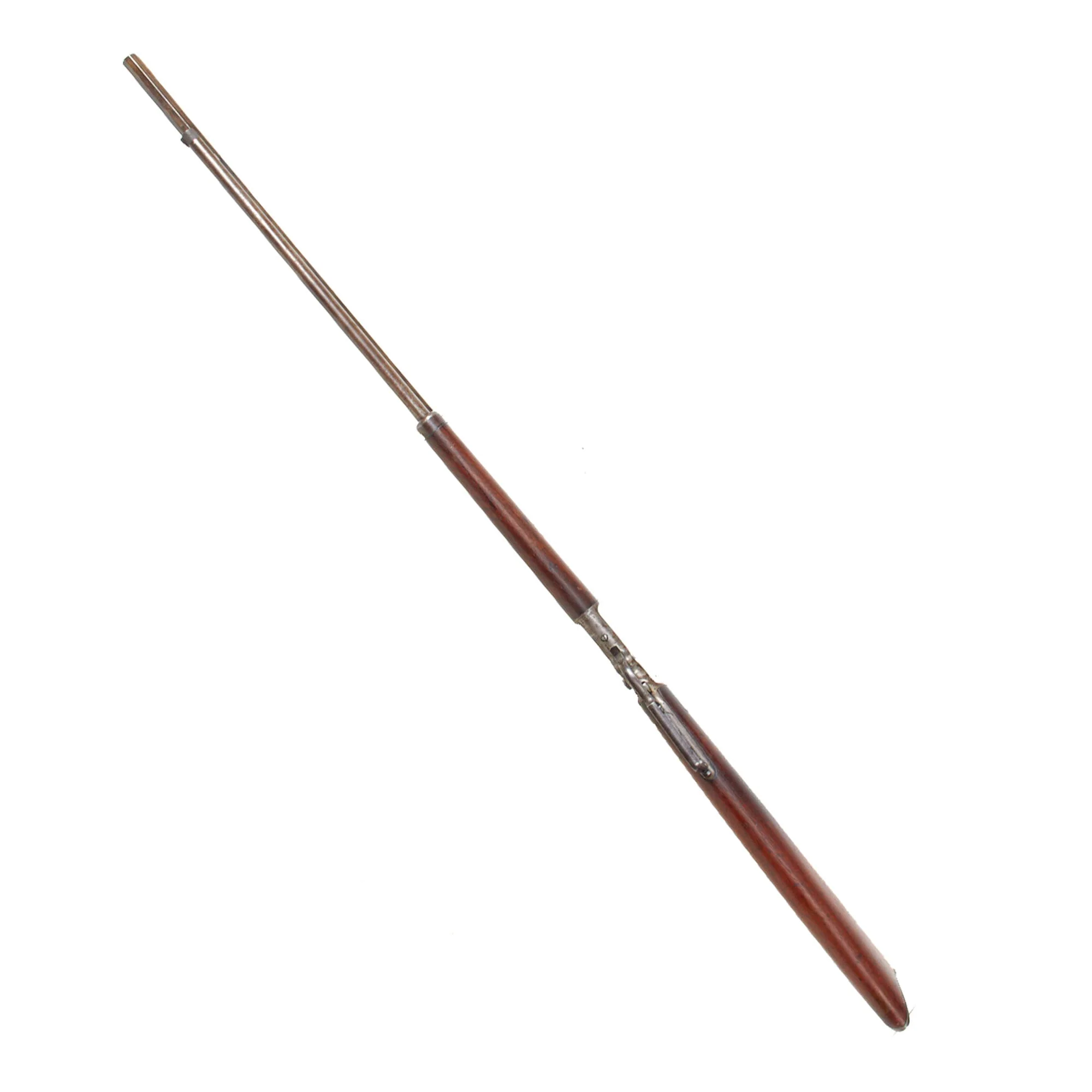
This classic '92 example is correctly marked MODEL 1892 on the upper tang of the receiver, and is in .32 caliber, though there is no caliber marking on the barrel. It features a 28" octagon barrel fitted with a blade front sight and iconic "Buckhorn" rear adjustable sight, and has a long magazine under the barrel. The original finish has been worn to a lovely gray mottled patina from use and cleaning, but there is not any major pit rust, just past peppering that we cleaned away. The wood stocks are in great shape, with a beautiful color and finish., showing some light wear and no major cracks or other damage. The top of the barrel engraving is clear:
⇝ MARLIN FIRE-ARMS CO. NEW-HAVEN.CT. U.S.A. ⇜
PAT'D NOV. 19.1878. APRIL 2. 1889. AUG.12.1890. MARCH 1.1892.
The top of the receiver is marked MARLIN SAFETY and the bottom front bears serial number 171663, indicating that this rifle was manufactured in 1898. Factory records indicate that the serial number range for 1898 ran from 161201 to 175500, meaning that this is definitely considered a Pre-1899 Antique Firearm by the BATF. The "New Safety" upgrades included a locking lug and firing pin system that prevented discharge until the bolt was locked in place. The new model also utilized a cartridge carrier that raised automatically, closing the end of the magazine after the head of the cartridge had passed into the carrier, thus preventing the next cartridge from entering the carrier and jamming the action.
The rifle cycles well, with a strong dry fire, and the mechanics are solid, though we have no way to test to see if the magazine still feeds. The magazine does pull forward correctly when the front button is pressed in for loading, and the spring is strong as well. The right side plate of the action is easily removed once the thumb screw is taken out, allowing the firing pin to to be swapped, if you have one. We do not have the extra firing pin so we were not able to test this. The bore shows clear lands and grooves, with a partly bright finish, showing some wear and oxidation. This is definitely a rifle that saw use during its service life, and the lands are a bit rounded, however there is no major oxidation present or pitting. Probably rates a 7-8 out of 10.
Overall a very nice Marlin New Safety Model 1892 repeating rifle in fully functional order. A fine patinated example of a classic western gun, ready to display!
Specifications:-
Year of Manufacture: 1898
Caliber: .32 Caliber
Cartridge Type: Centerfire Cartridge
Barrel Length: 28 Inches
Overall Length: 44 3/4 Inches
Action type: Lever Action Repeater
Feed System: Tube magazine
Dubbed as the New Safety Repeating Rifle, the 1889 Marlin was a mid-sized, redesigned 1888 model. The most noticeable difference was the solid top with its side-ejection system. Internal upgrades included a locking lug and firing pin system that prevented discharge until the bolt was locked in place. The new model also utilized a cartridge carrier that raised automatically, closing the end of the magazine after the head of the cartridge had passed into the carrier, thus preventing the next cartridge from entering the carrier and jamming the action: an important feature, since the rifle was produced in the .32-20, .38-40 and .44-40 chamberings (only 34 made with .25-20).
The similarity between the .38-40 and the .44-40 cartridges sometimes caused confusion for shooters. If a shooter accidentally loaded a .44-40 into a .38-40, the lever would not close properly. With the '89 Marlin, he simply had to lever downward, as if the .44-40 was an empty shell, and the oversized cartridge would be thrown to the side.
Standard '89 Marlin rifles included a 24-inch octagonal or round barrel, although barrels could be ordered in intervals of two inches up to 32 inches. The 1889 was Marlin's first carbine. Standard carbines had 20-inch tubes, while around 300-plus were made with a 15-inch version, and just four were turned out with 24-inch barrels.
Rifles were fitted with "Rocky Mountain" sights made up of a German silver blade front sight and a semi-buckhorn-type rear sight, which could be elevated by a stepped elevator. The stock was straight-grained walnut with a steel-capped forearm and a crescent-style steel butt plate (carbines wore a carbine-style butt plate). Barrels and all hardware were blued, while the hammer, lever and butt plate wore the colorful Marlin case-hardening. The model also came as a short rifle, takedown model and musket.
Although somewhat revolutionary in the firearms world, the '89 still had minor drawbacks that would be eliminated from Marlin's subsequent models. The manufacturer removed the rear-locking lug, which extended down into the trigger guard and had a tendency to pinch the shooter's fingers during rapid-fire cycling. It also did away with the small spring-loaded retainer at the rear of the lower tang that held the lever in place when closed, which shooters disliked.
Nevertheless, the 1889 Marlin was well received on the frontier and nationwide. More than 55,000 guns left the factory between 1889 and 1903. In its day, the model was considered state-of-the-art. Now, 125 years later, the 1889 Marlin is an extremely collectible firearm.
NOTE: This gun is NOT considered obsolete calibre, so we are not able to ship to the United Kingdom. Please note that for international shipping, these MUST be shipped using UPS WW Services. International customers should always consult their country's antique gun laws prior to ordering.

Details & Craftsmanship
Every detail has been carefully considered to bring you the perfect product.

Details & Craftsmanship
Every detail has been carefully considered to bring you the perfect product.

Details & Craftsmanship
Every detail has been carefully considered to bring you the perfect product.

Details & Craftsmanship
Every detail has been carefully considered to bring you the perfect product.

Details & Craftsmanship
Every detail has been carefully considered to bring you the perfect product.

Details & Craftsmanship
Every detail has been carefully considered to bring you the perfect product.

Details & Craftsmanship
Every detail has been carefully considered to bring you the perfect product.

Details & Craftsmanship
Every detail has been carefully considered to bring you the perfect product.

Details & Craftsmanship
Every detail has been carefully considered to bring you the perfect product.

Details & Craftsmanship
Every detail has been carefully considered to bring you the perfect product.

Details & Craftsmanship
Every detail has been carefully considered to bring you the perfect product.

Details & Craftsmanship
Every detail has been carefully considered to bring you the perfect product.

Details & Craftsmanship
Every detail has been carefully considered to bring you the perfect product.

Details & Craftsmanship
Every detail has been carefully considered to bring you the perfect product.

Details & Craftsmanship
Every detail has been carefully considered to bring you the perfect product.
Details & Craftsmanship
Every detail has been carefully considered to bring you the perfect product.

Details & Craftsmanship
Every detail has been carefully considered to bring you the perfect product.

Details & Craftsmanship
Every detail has been carefully considered to bring you the perfect product.

Details & Craftsmanship
Every detail has been carefully considered to bring you the perfect product.

Details & Craftsmanship
Every detail has been carefully considered to bring you the perfect product.

Details & Craftsmanship
Every detail has been carefully considered to bring you the perfect product.

Details & Craftsmanship
Every detail has been carefully considered to bring you the perfect product.
Description
Original Item: Only One Available. World-renowned sharpshooters Annie Oakley, a star of Buffalo Bill's Wild West, and Frank C. Miller, crack shot of the Irwin Bros. Cheyenne Frontier Days Wild West Show, often shot with Marlin rifles in their exhibitions.
"I gave as high as 15 exhibitions a day, shooting under all conditions, rain, wind, night, in parades in the streets," Miller said in a 1915 interview. "And late last fall, I used some of the guns on a hunting trip to Canada and Wyoming. From all this, you can see what opinion I have of Marlin guns."
Among the several Marlin firearms Oakley owned, she particularly cherished a special presentation, engraved 1889 model. The '89 Marlin New Safety Model was the first solid-top receiver, lever action rifle with a side ejection that threw the fired cases, or live cartridges, to the right-hand side of the rifle as opposed to being thrown straight up and out of the gun. It was followed by the model 1891 and 1892, which featured incremental improvements on the design, with the 1892 being in production from 1895 to 1915, with the name changing from the Model 1892 to just Model 92 in 1905.
The Model 1892 was available in .22 rimfire and .32 centerfire, the later of which introduced some great versatility into the design when compared to the Model 1891. Changes to the magazine allowed it to now use both .32 long and .32 short interchangeably. An additional change was the ability to change the firing pin from one for centerfire to one for rimfire, both of which were included with new rifles. The right side of the receiver has a thumbscrew which allowed the side plate to be pulled off, so the breech block can be removed to replace the firing pin. Definitely a very innovative rifle for the time!
This classic '92 example is correctly marked MODEL 1892 on the upper tang of the receiver, and is in .32 caliber, though there is no caliber marking on the barrel. It features a 28" octagon barrel fitted with a blade front sight and iconic "Buckhorn" rear adjustable sight, and has a long magazine under the barrel. The original finish has been worn to a lovely gray mottled patina from use and cleaning, but there is not any major pit rust, just past peppering that we cleaned away. The wood stocks are in great shape, with a beautiful color and finish., showing some light wear and no major cracks or other damage. The top of the barrel engraving is clear:
⇝ MARLIN FIRE-ARMS CO. NEW-HAVEN.CT. U.S.A. ⇜
PAT'D NOV. 19.1878. APRIL 2. 1889. AUG.12.1890. MARCH 1.1892.
The top of the receiver is marked MARLIN SAFETY and the bottom front bears serial number 171663, indicating that this rifle was manufactured in 1898. Factory records indicate that the serial number range for 1898 ran from 161201 to 175500, meaning that this is definitely considered a Pre-1899 Antique Firearm by the BATF. The "New Safety" upgrades included a locking lug and firing pin system that prevented discharge until the bolt was locked in place. The new model also utilized a cartridge carrier that raised automatically, closing the end of the magazine after the head of the cartridge had passed into the carrier, thus preventing the next cartridge from entering the carrier and jamming the action.
The rifle cycles well, with a strong dry fire, and the mechanics are solid, though we have no way to test to see if the magazine still feeds. The magazine does pull forward correctly when the front button is pressed in for loading, and the spring is strong as well. The right side plate of the action is easily removed once the thumb screw is taken out, allowing the firing pin to to be swapped, if you have one. We do not have the extra firing pin so we were not able to test this. The bore shows clear lands and grooves, with a partly bright finish, showing some wear and oxidation. This is definitely a rifle that saw use during its service life, and the lands are a bit rounded, however there is no major oxidation present or pitting. Probably rates a 7-8 out of 10.
Overall a very nice Marlin New Safety Model 1892 repeating rifle in fully functional order. A fine patinated example of a classic western gun, ready to display!
Specifications:-
Year of Manufacture: 1898
Caliber: .32 Caliber
Cartridge Type: Centerfire Cartridge
Barrel Length: 28 Inches
Overall Length: 44 3/4 Inches
Action type: Lever Action Repeater
Feed System: Tube magazine
Dubbed as the New Safety Repeating Rifle, the 1889 Marlin was a mid-sized, redesigned 1888 model. The most noticeable difference was the solid top with its side-ejection system. Internal upgrades included a locking lug and firing pin system that prevented discharge until the bolt was locked in place. The new model also utilized a cartridge carrier that raised automatically, closing the end of the magazine after the head of the cartridge had passed into the carrier, thus preventing the next cartridge from entering the carrier and jamming the action: an important feature, since the rifle was produced in the .32-20, .38-40 and .44-40 chamberings (only 34 made with .25-20).
The similarity between the .38-40 and the .44-40 cartridges sometimes caused confusion for shooters. If a shooter accidentally loaded a .44-40 into a .38-40, the lever would not close properly. With the '89 Marlin, he simply had to lever downward, as if the .44-40 was an empty shell, and the oversized cartridge would be thrown to the side.
Standard '89 Marlin rifles included a 24-inch octagonal or round barrel, although barrels could be ordered in intervals of two inches up to 32 inches. The 1889 was Marlin's first carbine. Standard carbines had 20-inch tubes, while around 300-plus were made with a 15-inch version, and just four were turned out with 24-inch barrels.
Rifles were fitted with "Rocky Mountain" sights made up of a German silver blade front sight and a semi-buckhorn-type rear sight, which could be elevated by a stepped elevator. The stock was straight-grained walnut with a steel-capped forearm and a crescent-style steel butt plate (carbines wore a carbine-style butt plate). Barrels and all hardware were blued, while the hammer, lever and butt plate wore the colorful Marlin case-hardening. The model also came as a short rifle, takedown model and musket.
Although somewhat revolutionary in the firearms world, the '89 still had minor drawbacks that would be eliminated from Marlin's subsequent models. The manufacturer removed the rear-locking lug, which extended down into the trigger guard and had a tendency to pinch the shooter's fingers during rapid-fire cycling. It also did away with the small spring-loaded retainer at the rear of the lower tang that held the lever in place when closed, which shooters disliked.
Nevertheless, the 1889 Marlin was well received on the frontier and nationwide. More than 55,000 guns left the factory between 1889 and 1903. In its day, the model was considered state-of-the-art. Now, 125 years later, the 1889 Marlin is an extremely collectible firearm.
NOTE: This gun is NOT considered obsolete calibre, so we are not able to ship to the United Kingdom. Please note that for international shipping, these MUST be shipped using UPS WW Services. International customers should always consult their country's antique gun laws prior to ordering.