
Original: $1,295.00
-70%$1,295.00
$388.50The Story
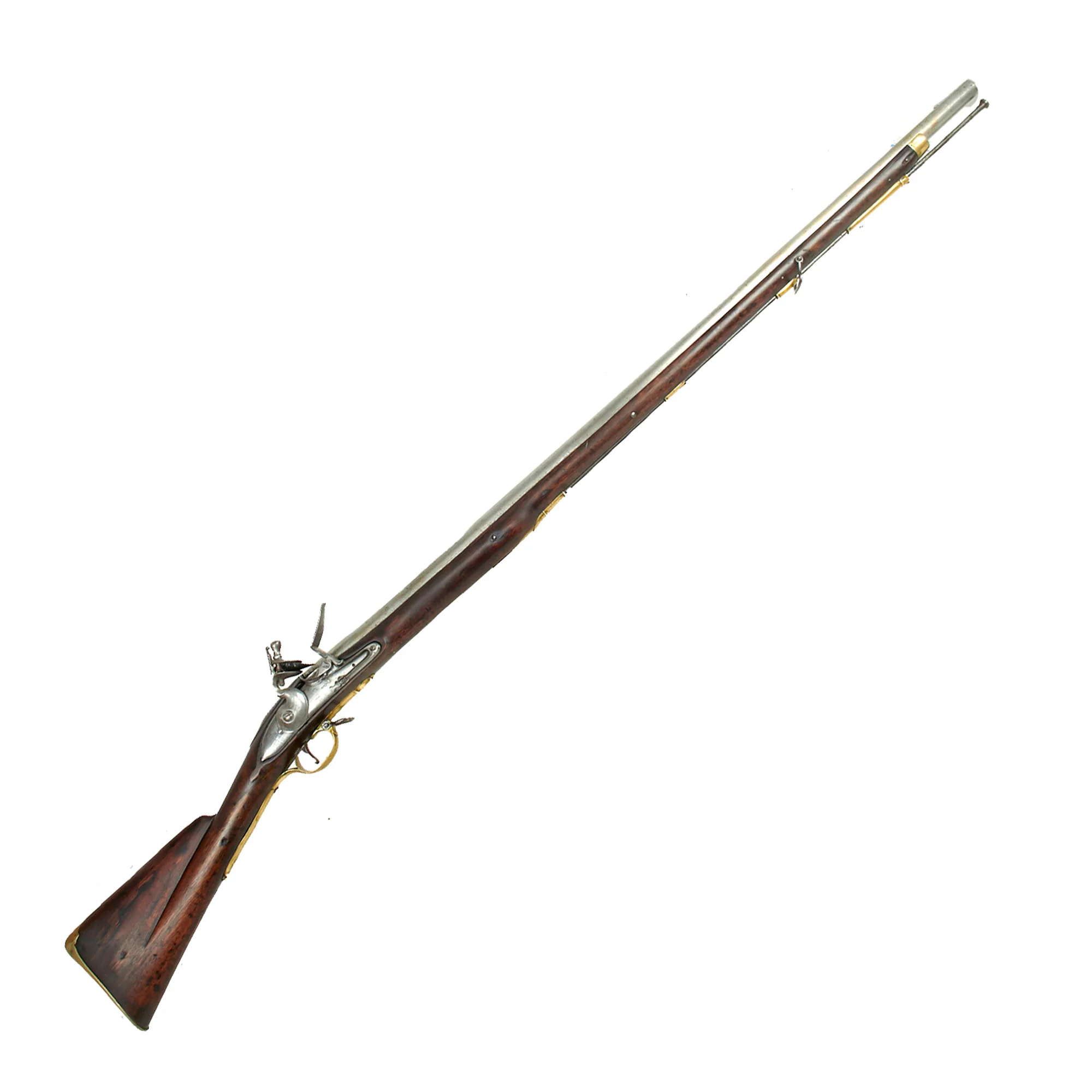
Original Item: Only One Available. The M1867 Werndl-Holub was a single-shot breech-loading rifle that the Austro-Hungarian army adopted in 1867. It replaced the Wanzl breech-loader conversion of the muzzle-loading Lorenz rifle. Josef Werndl (1831-1889) and Karel Holub (1830-1903) designed and patented their design; Werndl later bought out all the rights.
This lovely patinated example is fully functional, and in very good service used condition, showing the expected wear from use , as well as evidence of past light oxidation and pitting over much of the exterior. The rifle still has regimental markings on the steel butt plate, and it is nicely dated 1868 (868) on the lock below the Austrian Imperial Eagle.
ŒWG (Österreichische Waffenfabriksgesellschaft) in Steyr, Austria produced the Werndl and chambered it for the 11mm scharfe Patrone M.67 (11.15×42R) cartridge. In 1877 the military rechambered the Werndl for the bottleneck 11mm scharfe Patrone M.77 (11.15×58mmR) cartridge. Some were marked with the ŒWG logo on the receiver, while others such as this are marked WERNDL. It is also marked St.70 on the barrel, a proof mark indicating production by Steyr in 1870. The rifle also has regimental markings on the butt plate tang, which appear to read 56. LSt. B/ 12122., most likely for the 56th Landsturm Battaillon.
The metal finish shows a light gray patina overall from years oxidation and subsequent cleaning. There is past pitting evident, particularly next to the wood line closer to the receiver, and the receiver also has some past pitting on the sides as well. This rifle was definitely not stored in the best conditions for a good amount of time, however it has been fully restored to put it in its best light. The stock has a lovely red brown color, showing the expected dents and dings from long service, but no major damage such as cracks or chunks missing.
The bore is in good condition, and this rifle definitely saw heavy use while in service. We can still see lands and grooves, however they are worn, and there is a lot of past fouling evident, now mostly cleaned away. The rotating breech functions correctly, with the ejector presenting, though we have not tested it on actual brass. It is also definitely a bit stiff from past oxidation and cleaning. The lock functions correctly, holding at half cock and firing at full. Both sling swivels are present and swing freely, and the cleaning rod is present and the correct type, showing a bright steel finish with some areas of oxidation.
Overall, this is a lovely well patinated example of a very peculiar breech loading system with a great bore, ready to own and display!
Specifications-
Year of Manufacture: 1868 and 1871
Caliber: 11.15×42mmR
Ammunition Type: Center-Fire Cartridge
Barrel Length: 33 Inches
Overall Length: 50.4 Inches
Action: Rotating drum bolt with Side Action Lock
Feed System: Single Shot
In spite of the Werndl being long obsolete by World War I, the Austro-Hungarian forces issued Werndl rifles to rear-echelon units to free up more modern rifles for use by front-line troops.
It was adopted by the Imperial Austrian Army in 1869 to replace the WANZL breech loading conversion of the muzzle loading Lorenz Rifle. The Wendl saw extensive service even after it was declared obsolete in the 1880s as it was issued to reserve regiments during the First World War and only finally becoming fully retired in 1918.
The principal feature of the M1867 was the drum-breech, which, while sturdy and secure, compromised extraction. The rifle had a one piece stock with a straight wrist, a back-action lock and an external hammer. There were two screwed barrel bands and a nose cap; swivels lay under the middle band and butt. A cleaning rod was carried beneath the muzzle. A bayonet lug appeared on the right side of the muzzle. Standard infantry-pattern trigger guards were plain ovals, but a finger spur was substituted for Jager units.
Made by Österreichische Waffenfabriks-Gesellschaft, Steyr, 1867-74
Quantity: 600,000
Rotary-block breech, with an external hammer
Caliber: 11x42mm rimmed
1278mm [50.3"] overall, 4.43kg 9.7 lbs
855mm [33.7"] barrel, 6-groove rifling, RH, concentric
Ramp-and-leaf sight graduated from 200 to 1400 paces
Muzzle velocity 436m/sec with M1867 rifle cartridge
This is the rifle that got Steyrwerks off the ground! As a result of the obvious superiority of the Dreyse Needle guns shown at the battle of Sadowa, Austria decided to adopt a small calibre metallic cartridge breech loader. The Austrians knew that the Wanzl conversion of the M1854 Lorenz was a stopgap at best and they engaged in extensive trials to adopt a successor. The Werndl was principally the invention of Karel Holub who associated with Josef Werndl, director of Styerwerks, to manufacture the rifle. At trials at the Vienna Arsenal, the Remington Rolling Block system was the clear front-runner until submission of the Holub and, when a decision could not be made, both rifles were submitted to the King who, (surprise!) chose the Holub.
This is a rotating drum-action breech loader that can't easily be missed for anything else. When the hammer is drawn back the longitudinal drum breechblock is rotated on a central pin by means of a flat lever protruding from and integral with the drum. The drum has a section cut out to allow loading of a fresh round and, when loaded, the drum/ block is rotated back, the cut-out being replaced by the solid face of the block. The firing pin is located offset within the block in a manner reminiscent of the Snider and Trapdoor blocks and recessed within the block allowing the block to pivot within the receiver.
NOTE: International orders of antique firearms MUST be shipped using UPS WW Services (courier). USPS Priority Mail international will not accept these. International customers should always consult their country's antique gun laws prior to ordering.

Details & Craftsmanship
Every detail has been carefully considered to bring you the perfect product.

Details & Craftsmanship
Every detail has been carefully considered to bring you the perfect product.

Details & Craftsmanship
Every detail has been carefully considered to bring you the perfect product.

Details & Craftsmanship
Every detail has been carefully considered to bring you the perfect product.

Details & Craftsmanship
Every detail has been carefully considered to bring you the perfect product.

Details & Craftsmanship
Every detail has been carefully considered to bring you the perfect product.

Details & Craftsmanship
Every detail has been carefully considered to bring you the perfect product.

Details & Craftsmanship
Every detail has been carefully considered to bring you the perfect product.

Details & Craftsmanship
Every detail has been carefully considered to bring you the perfect product.

Details & Craftsmanship
Every detail has been carefully considered to bring you the perfect product.

Details & Craftsmanship
Every detail has been carefully considered to bring you the perfect product.

Details & Craftsmanship
Every detail has been carefully considered to bring you the perfect product.

Details & Craftsmanship
Every detail has been carefully considered to bring you the perfect product.

Details & Craftsmanship
Every detail has been carefully considered to bring you the perfect product.

Details & Craftsmanship
Every detail has been carefully considered to bring you the perfect product.

Details & Craftsmanship
Every detail has been carefully considered to bring you the perfect product.

Details & Craftsmanship
Every detail has been carefully considered to bring you the perfect product.

Details & Craftsmanship
Every detail has been carefully considered to bring you the perfect product.
Description
Original Item: Only One Available. The M1867 Werndl-Holub was a single-shot breech-loading rifle that the Austro-Hungarian army adopted in 1867. It replaced the Wanzl breech-loader conversion of the muzzle-loading Lorenz rifle. Josef Werndl (1831-1889) and Karel Holub (1830-1903) designed and patented their design; Werndl later bought out all the rights.
This lovely patinated example is fully functional, and in very good service used condition, showing the expected wear from use , as well as evidence of past light oxidation and pitting over much of the exterior. The rifle still has regimental markings on the steel butt plate, and it is nicely dated 1868 (868) on the lock below the Austrian Imperial Eagle.
ŒWG (Österreichische Waffenfabriksgesellschaft) in Steyr, Austria produced the Werndl and chambered it for the 11mm scharfe Patrone M.67 (11.15×42R) cartridge. In 1877 the military rechambered the Werndl for the bottleneck 11mm scharfe Patrone M.77 (11.15×58mmR) cartridge. Some were marked with the ŒWG logo on the receiver, while others such as this are marked WERNDL. It is also marked St.70 on the barrel, a proof mark indicating production by Steyr in 1870. The rifle also has regimental markings on the butt plate tang, which appear to read 56. LSt. B/ 12122., most likely for the 56th Landsturm Battaillon.
The metal finish shows a light gray patina overall from years oxidation and subsequent cleaning. There is past pitting evident, particularly next to the wood line closer to the receiver, and the receiver also has some past pitting on the sides as well. This rifle was definitely not stored in the best conditions for a good amount of time, however it has been fully restored to put it in its best light. The stock has a lovely red brown color, showing the expected dents and dings from long service, but no major damage such as cracks or chunks missing.
The bore is in good condition, and this rifle definitely saw heavy use while in service. We can still see lands and grooves, however they are worn, and there is a lot of past fouling evident, now mostly cleaned away. The rotating breech functions correctly, with the ejector presenting, though we have not tested it on actual brass. It is also definitely a bit stiff from past oxidation and cleaning. The lock functions correctly, holding at half cock and firing at full. Both sling swivels are present and swing freely, and the cleaning rod is present and the correct type, showing a bright steel finish with some areas of oxidation.
Overall, this is a lovely well patinated example of a very peculiar breech loading system with a great bore, ready to own and display!
Specifications-
Year of Manufacture: 1868 and 1871
Caliber: 11.15×42mmR
Ammunition Type: Center-Fire Cartridge
Barrel Length: 33 Inches
Overall Length: 50.4 Inches
Action: Rotating drum bolt with Side Action Lock
Feed System: Single Shot
In spite of the Werndl being long obsolete by World War I, the Austro-Hungarian forces issued Werndl rifles to rear-echelon units to free up more modern rifles for use by front-line troops.
It was adopted by the Imperial Austrian Army in 1869 to replace the WANZL breech loading conversion of the muzzle loading Lorenz Rifle. The Wendl saw extensive service even after it was declared obsolete in the 1880s as it was issued to reserve regiments during the First World War and only finally becoming fully retired in 1918.
The principal feature of the M1867 was the drum-breech, which, while sturdy and secure, compromised extraction. The rifle had a one piece stock with a straight wrist, a back-action lock and an external hammer. There were two screwed barrel bands and a nose cap; swivels lay under the middle band and butt. A cleaning rod was carried beneath the muzzle. A bayonet lug appeared on the right side of the muzzle. Standard infantry-pattern trigger guards were plain ovals, but a finger spur was substituted for Jager units.
Made by Österreichische Waffenfabriks-Gesellschaft, Steyr, 1867-74
Quantity: 600,000
Rotary-block breech, with an external hammer
Caliber: 11x42mm rimmed
1278mm [50.3"] overall, 4.43kg 9.7 lbs
855mm [33.7"] barrel, 6-groove rifling, RH, concentric
Ramp-and-leaf sight graduated from 200 to 1400 paces
Muzzle velocity 436m/sec with M1867 rifle cartridge
This is the rifle that got Steyrwerks off the ground! As a result of the obvious superiority of the Dreyse Needle guns shown at the battle of Sadowa, Austria decided to adopt a small calibre metallic cartridge breech loader. The Austrians knew that the Wanzl conversion of the M1854 Lorenz was a stopgap at best and they engaged in extensive trials to adopt a successor. The Werndl was principally the invention of Karel Holub who associated with Josef Werndl, director of Styerwerks, to manufacture the rifle. At trials at the Vienna Arsenal, the Remington Rolling Block system was the clear front-runner until submission of the Holub and, when a decision could not be made, both rifles were submitted to the King who, (surprise!) chose the Holub.
This is a rotating drum-action breech loader that can't easily be missed for anything else. When the hammer is drawn back the longitudinal drum breechblock is rotated on a central pin by means of a flat lever protruding from and integral with the drum. The drum has a section cut out to allow loading of a fresh round and, when loaded, the drum/ block is rotated back, the cut-out being replaced by the solid face of the block. The firing pin is located offset within the block in a manner reminiscent of the Snider and Trapdoor blocks and recessed within the block allowing the block to pivot within the receiver.
NOTE: International orders of antique firearms MUST be shipped using UPS WW Services (courier). USPS Priority Mail international will not accept these. International customers should always consult their country's antique gun laws prior to ordering.