
Original: $2,395.00
-70%$2,395.00
$718.50The Story
Original Item: One Only. Invented by Joseph-Hugo Comblain, a Belgian Gun designer from Liege, this is a single short falling block weapon of ingenious design. It was adopted by Belgium, Brazil and Chile, but was up against the British Martini Henry Rifle of even better design that dominated most of the 1870s. It was described by W.W Greener in his 1871 book Modern Breechloaders: Sporting and Military (page 214):
This rifle is called No.2, to distinguish it from the first Comblain, which is a modification of the Snider principle. The Comblain no 2 has the vertical sliding block and guard lever of the Sharp rifle; but the arrangement for exploding the cartridge is different.
The mechanism of the lock is fixed in the breech block, which consists of the ordinary main-spring acting upon a tumbler by a swivel. The tumbler and striker are made in one piece; the sear and trigger are also in one piece . By depressing the lever the breech block is brought down, the cartridge-case extracted and the rifle is cocked. A fresh cartridge being inserted, and the lever returned, the rifle is ready for firing.
The hinge screw can be removed without the aid of a turnscrew, which arrangement allows the breech block and lock to be taken out for the purpose of cleaning.
The breech arrangement is strong and simple. It is used by the Belgian volunteers, and has been severely tested both at Liege and Wimbledon.
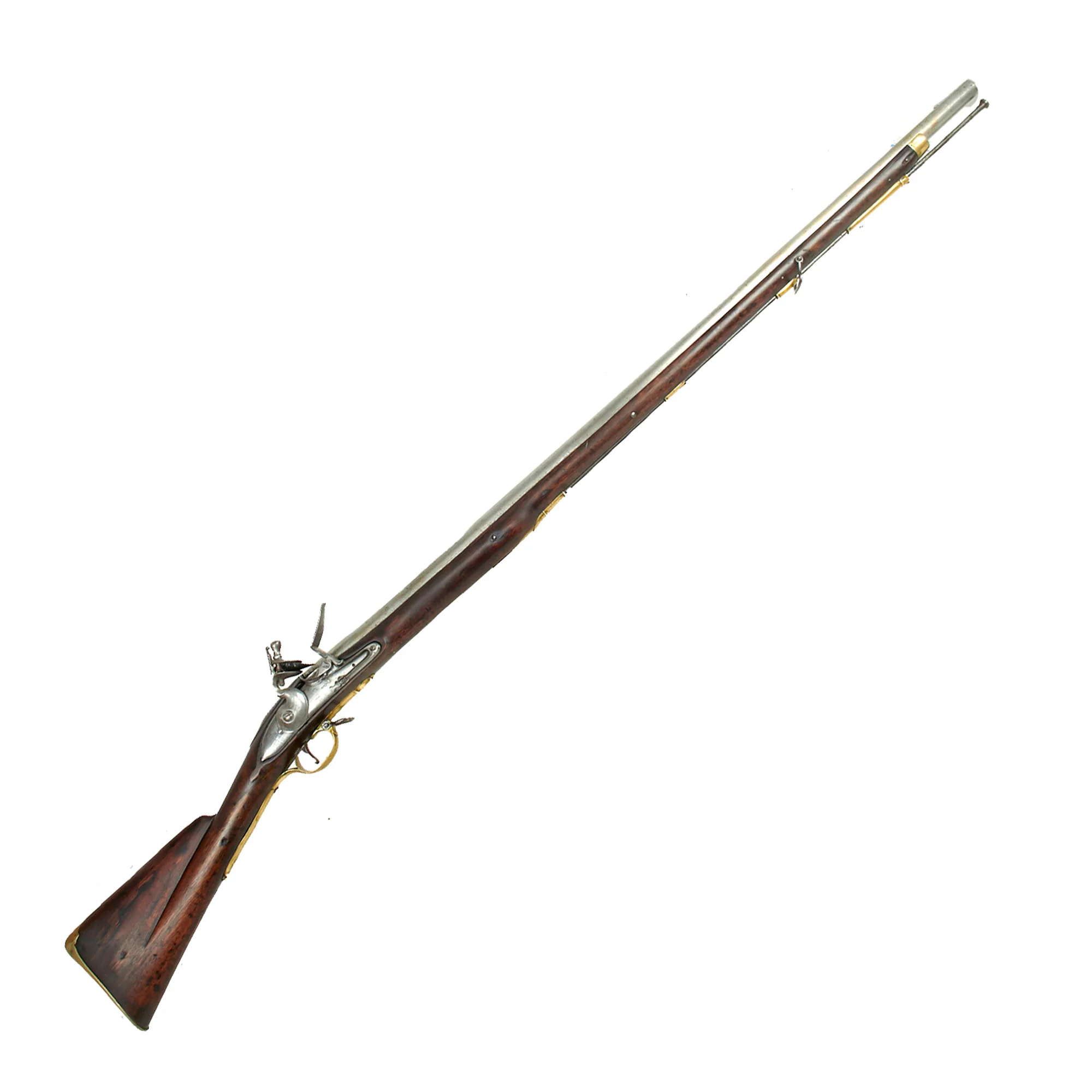
This is a great example of the Belgian variant officially termed the Mousqueton de Cavalerie, Système Comblain, Modèle 1871/83, or "Cavalry Carbine, Comblain System, Model 1871/83". This is the first time that we have had one of these cavalry carbines, and almost all of the previous examples that we had had were the Model 1870 Civil Guard version. This example bears serial number 6273 on multiple components, and is in very good condition. The receiver does not bear any maker markings as seen on other examples, which is completely correct, and the left side of the barrel nocks form is dated 1889, correct for one of these, which means it was most likely not converted from an earlier model. It has all iron and steel fittings, as is correct for the model, and the original blued finish is well retained on most components.
The stock wood on the carbine is lovely, showing a lovely dark red brown color, and it has a nice lightly varnished finish, which looks to be original from the factory. There are various proof markings on the stock and metalwork, and the right side of the butt stock has a clear circular cartouche reading as follows:
E. O. N. D.
(Crown)
L
1871-83
We checked records, and were not able to identify the maker "N.D.", however there is not much information on these rare carbines. We checked the action, and it looks to function correctly. The block falls down correctly, and pulling the lever farther forward causes the ejector to present correctly. Once the action is closed it has a crisp dry fire, and the only issue we noted is that it takes a good amount of force to get the action to open. The bore is in excellent condition, showing a bright finish with crisp lands and grooves, showing little sign of having been used.
A lovely example of a hard to find Belgian carbine utilizing a very interesting firing system. Hard to find and ready to display!
Specifications:-
Year of Manufacture: 1886
Caliber: 11×50mm R Comblain
Cartridge Type: Centerfire Cartridge
Barrel Length: 23 1/4 Inches
Overall Length: 38 1/2 Inches
Action type: Falling Block
Feed System: Single Shot
NOTE: International orders of antique firearms MUST be shipped using UPS WW Services (courier). USPS Priority Mail international will not accept these. International customers should always consult their country's antique gun laws prior to ordering.

Details & Craftsmanship
Every detail has been carefully considered to bring you the perfect product.

Details & Craftsmanship
Every detail has been carefully considered to bring you the perfect product.

Details & Craftsmanship
Every detail has been carefully considered to bring you the perfect product.

Details & Craftsmanship
Every detail has been carefully considered to bring you the perfect product.

Details & Craftsmanship
Every detail has been carefully considered to bring you the perfect product.

Details & Craftsmanship
Every detail has been carefully considered to bring you the perfect product.

Details & Craftsmanship
Every detail has been carefully considered to bring you the perfect product.

Details & Craftsmanship
Every detail has been carefully considered to bring you the perfect product.

Details & Craftsmanship
Every detail has been carefully considered to bring you the perfect product.

Details & Craftsmanship
Every detail has been carefully considered to bring you the perfect product.

Details & Craftsmanship
Every detail has been carefully considered to bring you the perfect product.

Details & Craftsmanship
Every detail has been carefully considered to bring you the perfect product.

Details & Craftsmanship
Every detail has been carefully considered to bring you the perfect product.

Details & Craftsmanship
Every detail has been carefully considered to bring you the perfect product.

Details & Craftsmanship
Every detail has been carefully considered to bring you the perfect product.

Details & Craftsmanship
Every detail has been carefully considered to bring you the perfect product.

Details & Craftsmanship
Every detail has been carefully considered to bring you the perfect product.

Details & Craftsmanship
Every detail has been carefully considered to bring you the perfect product.

Details & Craftsmanship
Every detail has been carefully considered to bring you the perfect product.

Details & Craftsmanship
Every detail has been carefully considered to bring you the perfect product.

Details & Craftsmanship
Every detail has been carefully considered to bring you the perfect product.

Details & Craftsmanship
Every detail has been carefully considered to bring you the perfect product.

Details & Craftsmanship
Every detail has been carefully considered to bring you the perfect product.

Details & Craftsmanship
Every detail has been carefully considered to bring you the perfect product.
Description
Original Item: One Only. Invented by Joseph-Hugo Comblain, a Belgian Gun designer from Liege, this is a single short falling block weapon of ingenious design. It was adopted by Belgium, Brazil and Chile, but was up against the British Martini Henry Rifle of even better design that dominated most of the 1870s. It was described by W.W Greener in his 1871 book Modern Breechloaders: Sporting and Military (page 214):
This rifle is called No.2, to distinguish it from the first Comblain, which is a modification of the Snider principle. The Comblain no 2 has the vertical sliding block and guard lever of the Sharp rifle; but the arrangement for exploding the cartridge is different.
The mechanism of the lock is fixed in the breech block, which consists of the ordinary main-spring acting upon a tumbler by a swivel. The tumbler and striker are made in one piece; the sear and trigger are also in one piece . By depressing the lever the breech block is brought down, the cartridge-case extracted and the rifle is cocked. A fresh cartridge being inserted, and the lever returned, the rifle is ready for firing.
The hinge screw can be removed without the aid of a turnscrew, which arrangement allows the breech block and lock to be taken out for the purpose of cleaning.
The breech arrangement is strong and simple. It is used by the Belgian volunteers, and has been severely tested both at Liege and Wimbledon.
This is a great example of the Belgian variant officially termed the Mousqueton de Cavalerie, Système Comblain, Modèle 1871/83, or "Cavalry Carbine, Comblain System, Model 1871/83". This is the first time that we have had one of these cavalry carbines, and almost all of the previous examples that we had had were the Model 1870 Civil Guard version. This example bears serial number 6273 on multiple components, and is in very good condition. The receiver does not bear any maker markings as seen on other examples, which is completely correct, and the left side of the barrel nocks form is dated 1889, correct for one of these, which means it was most likely not converted from an earlier model. It has all iron and steel fittings, as is correct for the model, and the original blued finish is well retained on most components.
The stock wood on the carbine is lovely, showing a lovely dark red brown color, and it has a nice lightly varnished finish, which looks to be original from the factory. There are various proof markings on the stock and metalwork, and the right side of the butt stock has a clear circular cartouche reading as follows:
E. O. N. D.
(Crown)
L
1871-83
We checked records, and were not able to identify the maker "N.D.", however there is not much information on these rare carbines. We checked the action, and it looks to function correctly. The block falls down correctly, and pulling the lever farther forward causes the ejector to present correctly. Once the action is closed it has a crisp dry fire, and the only issue we noted is that it takes a good amount of force to get the action to open. The bore is in excellent condition, showing a bright finish with crisp lands and grooves, showing little sign of having been used.
A lovely example of a hard to find Belgian carbine utilizing a very interesting firing system. Hard to find and ready to display!
Specifications:-
Year of Manufacture: 1886
Caliber: 11×50mm R Comblain
Cartridge Type: Centerfire Cartridge
Barrel Length: 23 1/4 Inches
Overall Length: 38 1/2 Inches
Action type: Falling Block
Feed System: Single Shot
NOTE: International orders of antique firearms MUST be shipped using UPS WW Services (courier). USPS Priority Mail international will not accept these. International customers should always consult their country's antique gun laws prior to ordering.