
Original: $895.00
-70%$895.00
$268.50The Story
Original Item: Only One Available. The Mauser Model 1889 is a bolt-action rifle of Belgian origin. It became known as the 1889 Belgian Mauser, 1891 Argentine Mauser, and 1890 Turkish Mauser. Later developments that corrected deficiencies of the design would become the Mauser Model 1893 series of Rifles used in Spain as well as South America. These models then further evolved into the Gewehr Model 1898, whose action would be used for 50 years as the basis of many derivative designs.
The Model 1889 was initially developed to compete in Trials being held by the Belgian Government, which Mauser was eager to succeed in following the lack of Mauser involvement in the development of Germany's 1888 "Commission Rifle". The Mauser company had been dealing with the effects of founder Wilhelm Mauser's death in 1882. He had handled the business side of things at Mauser, while Paul Mauser was responsible for technical development. Belgium had already undergone two rounds of trials for a new rifle, however after the 8×50mmR Lebel cartridge using Poudre B smokeless powder was revealed in 1887 by France, all companies had to go back to the drawing board.
This gave Paul Mauser the time he needed to continue his work on a small rimless cartridge design inspired by the 88 Commission rifle, as well as developing a new stripper-clip loaded magazine. The resulting model 1889 was the winner of the Belgian trials, and with this design, the company was really "Back in Business", and would continue to do well for decades.
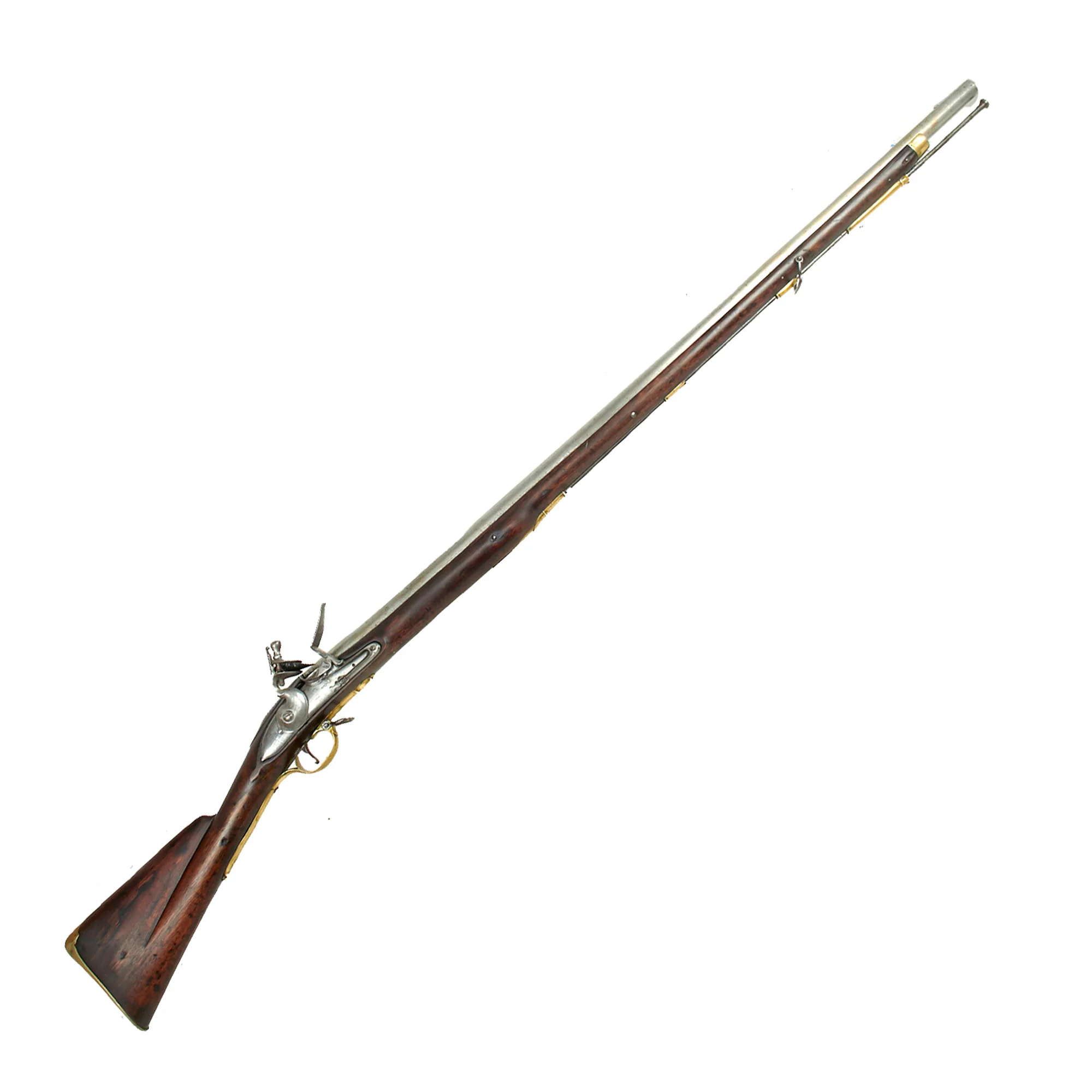
Here we have a very nice Belgian-made Model 1889 7mm Mauser Infantry rifle, made by the legendary Fabrique Nationale in Herstal / Liège, Belgium. More commonly known as F.N. Herstal, the company would become a leading firearms designer and manufacturer during the 20th Century and beyond. The company was in fact only founded in July 1889 by several Belgian arms manufacturers, originally called Fabrique Nationale d'Armes de Guerre ('National Factory of Weapons of War'), and it was set up specifically to manufacture 150,000 Mauser Model 89 rifles ordered by the Belgian government. In the early 20th Century they worked extensively with the legendary John Browning, developing many semi-automatic pistol designs.
The Model 1889 was made in several different configurations, mostly a long rifle and a carbine, but short rifle configurations have also been seen, with a distinctive slot on the left side of the butt stock. FN Herstal continued to produce newer model Mauser rifles under contract, however the Model 1889 was kept in service in Belgium until 1935, when a new design was instituted to replace all Mausers currently in service.
However, they still had many Model 1889 rifles in good condition, so a program was made to update these rifles with Model 1935 style fittings, called the Model 1889/36. A new shorter barrel was fitted, and and they were fitted with new stocks and hardware. The bolt was also modified to a "cock on opening" design. These conversions took place at Manufacture d'armes de l'État (State Arms Factory) in Liège, which had been relegated mostly to the maintenance, repair, and reconditioning of weapons for the Belgian army. The rifle has the correct maker markings on the top front of the receiver:
MANUFACTURE D'ARMES
DE L'ETAT
On the left side of the receiver is serial number 2336, which is also stamped on the barrel, magazine floor plate, and butt plate. The bolt is stamped 42702 on the rear of the charging handle, while the stock does not appear to be marked. From what we can tell, the converted rifles had the original markings on the receiver scrubbed, and new markings were added along with new serial numbers. Research indicates that the original production run in Belgium ran from 1889 until 1893, with approximately 150,000 arms made, so this rifle is definitely considered a Pre-1899 Antique Firearm by the BATF.
The stock on this example shows evidence of past repairs in many areas, including some from wood filler, and others from wood grafts. The bottom of the fore stock was removed at some point, and a repair attached to make it possible for the upper barrel band to attach again. The metalwork is in very good shape, still showing much of the original bluing on the barrel, while the receiver and other areas retain less of it.
The rear sight is present and fully functional, with the slider staying in place well. All three sling swivels are present and functional, though the top swivel most likely was intended to be a stacking swivel, so it may have been replaced. The rear sling swivel is present, however the front swivel is missing, with only the stacking swivel remaining. The action looks to be fully functional, cycling correctly with a crisp dry fire, though we have no way to test to see if it feeds. The extractor on the bolt face is present, and the safety on the rear of the bolt is fully functional, preventing firing in the center position, and locking the bolt closed in the right position. The bolt can be removed easily for cleaning using the spring-loaded bolt release on the receiver. The bore is in excellent condition, with crisp lands and grooves showing a bright finish, so it looks like this short rifle saw very little use in service after being updated.
A very nice repaired example of a revolutionary Mauser design, refit during the 1930s for additional service in Liège, Belgium. In lovely condition and ready to display!
Specifications-
Years of Manufacture: 1889-1893
Caliber: 7×57mm Mauser
Cartridge Type: Centerfire Cartridge
Barrel Length: 23 1/2 Inches
Overall Length: 43 Inches
Action type: Bolt-Action
Feed System: 5 round magazine

Details & Craftsmanship
Every detail has been carefully considered to bring you the perfect product.

Details & Craftsmanship
Every detail has been carefully considered to bring you the perfect product.

Details & Craftsmanship
Every detail has been carefully considered to bring you the perfect product.

Details & Craftsmanship
Every detail has been carefully considered to bring you the perfect product.

Details & Craftsmanship
Every detail has been carefully considered to bring you the perfect product.

Details & Craftsmanship
Every detail has been carefully considered to bring you the perfect product.

Details & Craftsmanship
Every detail has been carefully considered to bring you the perfect product.

Details & Craftsmanship
Every detail has been carefully considered to bring you the perfect product.

Details & Craftsmanship
Every detail has been carefully considered to bring you the perfect product.

Details & Craftsmanship
Every detail has been carefully considered to bring you the perfect product.

Details & Craftsmanship
Every detail has been carefully considered to bring you the perfect product.

Details & Craftsmanship
Every detail has been carefully considered to bring you the perfect product.

Details & Craftsmanship
Every detail has been carefully considered to bring you the perfect product.

Details & Craftsmanship
Every detail has been carefully considered to bring you the perfect product.

Details & Craftsmanship
Every detail has been carefully considered to bring you the perfect product.

Details & Craftsmanship
Every detail has been carefully considered to bring you the perfect product.

Details & Craftsmanship
Every detail has been carefully considered to bring you the perfect product.

Details & Craftsmanship
Every detail has been carefully considered to bring you the perfect product.

Details & Craftsmanship
Every detail has been carefully considered to bring you the perfect product.

Details & Craftsmanship
Every detail has been carefully considered to bring you the perfect product.

Details & Craftsmanship
Every detail has been carefully considered to bring you the perfect product.
Description
Original Item: Only One Available. The Mauser Model 1889 is a bolt-action rifle of Belgian origin. It became known as the 1889 Belgian Mauser, 1891 Argentine Mauser, and 1890 Turkish Mauser. Later developments that corrected deficiencies of the design would become the Mauser Model 1893 series of Rifles used in Spain as well as South America. These models then further evolved into the Gewehr Model 1898, whose action would be used for 50 years as the basis of many derivative designs.
The Model 1889 was initially developed to compete in Trials being held by the Belgian Government, which Mauser was eager to succeed in following the lack of Mauser involvement in the development of Germany's 1888 "Commission Rifle". The Mauser company had been dealing with the effects of founder Wilhelm Mauser's death in 1882. He had handled the business side of things at Mauser, while Paul Mauser was responsible for technical development. Belgium had already undergone two rounds of trials for a new rifle, however after the 8×50mmR Lebel cartridge using Poudre B smokeless powder was revealed in 1887 by France, all companies had to go back to the drawing board.
This gave Paul Mauser the time he needed to continue his work on a small rimless cartridge design inspired by the 88 Commission rifle, as well as developing a new stripper-clip loaded magazine. The resulting model 1889 was the winner of the Belgian trials, and with this design, the company was really "Back in Business", and would continue to do well for decades.
Here we have a very nice Belgian-made Model 1889 7mm Mauser Infantry rifle, made by the legendary Fabrique Nationale in Herstal / Liège, Belgium. More commonly known as F.N. Herstal, the company would become a leading firearms designer and manufacturer during the 20th Century and beyond. The company was in fact only founded in July 1889 by several Belgian arms manufacturers, originally called Fabrique Nationale d'Armes de Guerre ('National Factory of Weapons of War'), and it was set up specifically to manufacture 150,000 Mauser Model 89 rifles ordered by the Belgian government. In the early 20th Century they worked extensively with the legendary John Browning, developing many semi-automatic pistol designs.
The Model 1889 was made in several different configurations, mostly a long rifle and a carbine, but short rifle configurations have also been seen, with a distinctive slot on the left side of the butt stock. FN Herstal continued to produce newer model Mauser rifles under contract, however the Model 1889 was kept in service in Belgium until 1935, when a new design was instituted to replace all Mausers currently in service.
However, they still had many Model 1889 rifles in good condition, so a program was made to update these rifles with Model 1935 style fittings, called the Model 1889/36. A new shorter barrel was fitted, and and they were fitted with new stocks and hardware. The bolt was also modified to a "cock on opening" design. These conversions took place at Manufacture d'armes de l'État (State Arms Factory) in Liège, which had been relegated mostly to the maintenance, repair, and reconditioning of weapons for the Belgian army. The rifle has the correct maker markings on the top front of the receiver:
MANUFACTURE D'ARMES
DE L'ETAT
On the left side of the receiver is serial number 2336, which is also stamped on the barrel, magazine floor plate, and butt plate. The bolt is stamped 42702 on the rear of the charging handle, while the stock does not appear to be marked. From what we can tell, the converted rifles had the original markings on the receiver scrubbed, and new markings were added along with new serial numbers. Research indicates that the original production run in Belgium ran from 1889 until 1893, with approximately 150,000 arms made, so this rifle is definitely considered a Pre-1899 Antique Firearm by the BATF.
The stock on this example shows evidence of past repairs in many areas, including some from wood filler, and others from wood grafts. The bottom of the fore stock was removed at some point, and a repair attached to make it possible for the upper barrel band to attach again. The metalwork is in very good shape, still showing much of the original bluing on the barrel, while the receiver and other areas retain less of it.
The rear sight is present and fully functional, with the slider staying in place well. All three sling swivels are present and functional, though the top swivel most likely was intended to be a stacking swivel, so it may have been replaced. The rear sling swivel is present, however the front swivel is missing, with only the stacking swivel remaining. The action looks to be fully functional, cycling correctly with a crisp dry fire, though we have no way to test to see if it feeds. The extractor on the bolt face is present, and the safety on the rear of the bolt is fully functional, preventing firing in the center position, and locking the bolt closed in the right position. The bolt can be removed easily for cleaning using the spring-loaded bolt release on the receiver. The bore is in excellent condition, with crisp lands and grooves showing a bright finish, so it looks like this short rifle saw very little use in service after being updated.
A very nice repaired example of a revolutionary Mauser design, refit during the 1930s for additional service in Liège, Belgium. In lovely condition and ready to display!
Specifications-
Years of Manufacture: 1889-1893
Caliber: 7×57mm Mauser
Cartridge Type: Centerfire Cartridge
Barrel Length: 23 1/2 Inches
Overall Length: 43 Inches
Action type: Bolt-Action
Feed System: 5 round magazine