
Original: $2,995.00
-70%$2,995.00
$898.50The Story
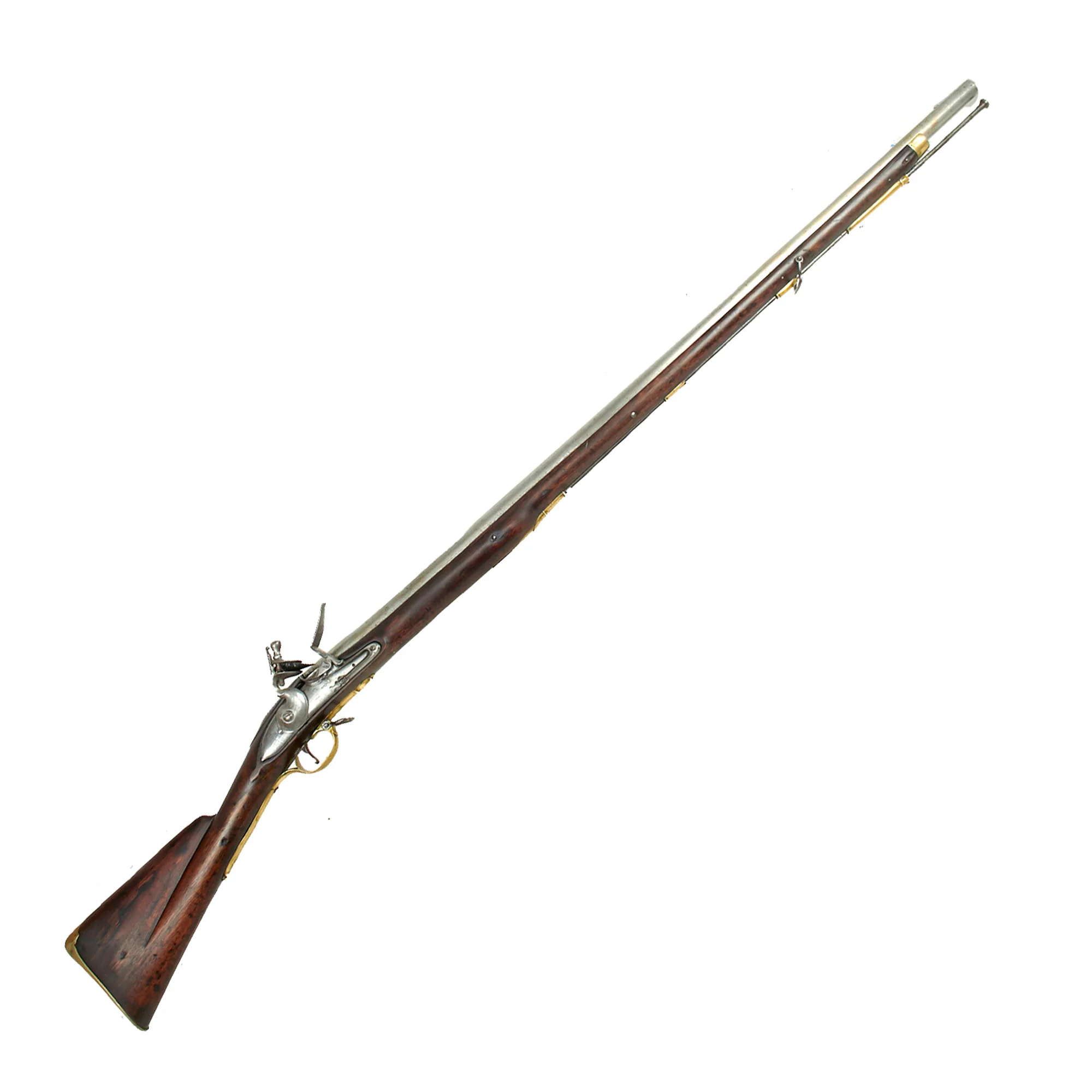
Original Item: Only One Available. This is a very rare Lee Enfield MK1 Cavalry Carbine that is dated 1896 on the left side of the receiver.
Approved in 1896, the Lee-Enfield carbine was a great improvement on the Martini-Henry. It had a box magazine containing six rounds and had a smooth bolt-action, but in the Boer War (1899-1902) it was opposed by Mauser carbines, which were clip-fed rather than having the rounds loaded by hand. In action it was slower and less accurate than the Mauser. As a result of this war experience, all carbines were replaced by the Short Magazine Lee-Enfield, the universal rifle, in 1903.
Introduced in 1894 as the first of the magazine carbines, although with a smaller magazine holding six rounds compared with the rifle's ten, the Lee Metford was quickly superseded by the Lee Enfield, the rifling of which was better suited to the new cordite ammunition. However many Lee Metfords remained in service, their barrels being replaced by Enfield types as they wore out. Neither of these British carbines was considered a success in South Africa. Their accuracy was criticized, while it was thought that the enemy's Mausers, utilizing metal clips holding five cartridges that were inserted directly into the magazine, were faster to load than the British weapons, for which rounds had to be inserted individually. After the Boer War carbines were rapidly reduced to the status of second-class arms.
Over the years the British Army issued numerous shortened rifles to its cavalry units. The last to be issued was the Magazine Lee-Enfield or Lee-Enfield Cavalry Carbine Mk I (LEC). Initially using the Metford barrel the carbine was developed from its larger parent rifle the Magazine Lee-Metford (MLM), in 1889. In 1895 the Metford barrel was replaced with a five-grove Enfield barrel and the designation was changed to the MLE. Like the earlier rifles a carbine version of the MLE was developed. The Lee Enfield cavalry .303 in Mk I magazine carbine was identical to the earlier Metford carbine except it had an Enfield barrel.
The carbines were substantially shorter with a 21-inch barrel rather than the MLE’s much longer 30-inches with a very elegant profile. The LEC was first introduced in 1896 and had a number of features adapting it to suit mounted troops. These included a smaller 6-round box magazine which was, as with the MLE, designed to be loaded using 5-round chargers. They were fitted with the standard magazine cut-off which allowed the rifle to be loaded and fired as a single shot weapon while also allowing for more rapid fire when the magazine cut off was retracted. They also featured a flattened bolt handle to minimize snagging/rubbing on clothing and holsters.
The LEC saw extensive service during the Second Boer War in which it was fielded by both British and Empire forces in various patterns. They were extremely handy weapons and well suited for use by mounted troops. Flying columns and patrols were a common feature of the Boer War as the British attempted to combat the vigorous guerilla campaign mounted by Boer Commandos.
With the end of the Boer War the British Army sought to standardise their rifles as at the time they had a number of very different rifles in service. Ranging from ageing Martini-Henrys and Magazine Lee-Metford’s as well as the newer MLE MKIs. In 1901 with the development of the SMLE in progress it was decided that a compromise would be reached; reducing the length of the standard service rifle to a more handy size. This allowed the same rifle to be issued to both infantry and cavalry units, accepted in 1906 and first issued in 1907, the new SMLE’s barrel measured 25.2 inches, halfway between the carbine and ‘long-pattern’ barrel lengths of the earlier MLEs. This standardized the army’s rifle to a single pattern and made production more cost effective. The new SMLE was 4 inches longer and slightly heavier than the carbine but significantly shorter and lighter than the older MLMs.
This example is offered in very good condition. Walnut stock & hand guards have handling marks with no cracks or chips: receiver & barrel have handling marks; bore is frosted worn rifling towards the rear with strong rifling towards the front. Receiver stamped ENFIELD 1896 over LEC over I. Butt stamped with the Enfield Armory roundel over I/I, The brass marking disc is marked 94. US import markings of 388/303 British on top of the barrel.
Specifications-
Year of Manufacture: 1896.
Caliber: .303 British
Cartridge Type: Centerfire Cartridge
Overall Length: 21 Inches
Overall Length: 40 Inches
Action type: Bolt-Action
Feed System: Single Shot

Details & Craftsmanship
Every detail has been carefully considered to bring you the perfect product.

Details & Craftsmanship
Every detail has been carefully considered to bring you the perfect product.

Details & Craftsmanship
Every detail has been carefully considered to bring you the perfect product.

Details & Craftsmanship
Every detail has been carefully considered to bring you the perfect product.

Details & Craftsmanship
Every detail has been carefully considered to bring you the perfect product.

Details & Craftsmanship
Every detail has been carefully considered to bring you the perfect product.

Details & Craftsmanship
Every detail has been carefully considered to bring you the perfect product.

Details & Craftsmanship
Every detail has been carefully considered to bring you the perfect product.

Details & Craftsmanship
Every detail has been carefully considered to bring you the perfect product.

Details & Craftsmanship
Every detail has been carefully considered to bring you the perfect product.

Details & Craftsmanship
Every detail has been carefully considered to bring you the perfect product.

Details & Craftsmanship
Every detail has been carefully considered to bring you the perfect product.

Details & Craftsmanship
Every detail has been carefully considered to bring you the perfect product.

Details & Craftsmanship
Every detail has been carefully considered to bring you the perfect product.

Details & Craftsmanship
Every detail has been carefully considered to bring you the perfect product.

Details & Craftsmanship
Every detail has been carefully considered to bring you the perfect product.

Details & Craftsmanship
Every detail has been carefully considered to bring you the perfect product.

Details & Craftsmanship
Every detail has been carefully considered to bring you the perfect product.

Details & Craftsmanship
Every detail has been carefully considered to bring you the perfect product.

Details & Craftsmanship
Every detail has been carefully considered to bring you the perfect product.

Details & Craftsmanship
Every detail has been carefully considered to bring you the perfect product.

Details & Craftsmanship
Every detail has been carefully considered to bring you the perfect product.
Description
Original Item: Only One Available. This is a very rare Lee Enfield MK1 Cavalry Carbine that is dated 1896 on the left side of the receiver.
Approved in 1896, the Lee-Enfield carbine was a great improvement on the Martini-Henry. It had a box magazine containing six rounds and had a smooth bolt-action, but in the Boer War (1899-1902) it was opposed by Mauser carbines, which were clip-fed rather than having the rounds loaded by hand. In action it was slower and less accurate than the Mauser. As a result of this war experience, all carbines were replaced by the Short Magazine Lee-Enfield, the universal rifle, in 1903.
Introduced in 1894 as the first of the magazine carbines, although with a smaller magazine holding six rounds compared with the rifle's ten, the Lee Metford was quickly superseded by the Lee Enfield, the rifling of which was better suited to the new cordite ammunition. However many Lee Metfords remained in service, their barrels being replaced by Enfield types as they wore out. Neither of these British carbines was considered a success in South Africa. Their accuracy was criticized, while it was thought that the enemy's Mausers, utilizing metal clips holding five cartridges that were inserted directly into the magazine, were faster to load than the British weapons, for which rounds had to be inserted individually. After the Boer War carbines were rapidly reduced to the status of second-class arms.
Over the years the British Army issued numerous shortened rifles to its cavalry units. The last to be issued was the Magazine Lee-Enfield or Lee-Enfield Cavalry Carbine Mk I (LEC). Initially using the Metford barrel the carbine was developed from its larger parent rifle the Magazine Lee-Metford (MLM), in 1889. In 1895 the Metford barrel was replaced with a five-grove Enfield barrel and the designation was changed to the MLE. Like the earlier rifles a carbine version of the MLE was developed. The Lee Enfield cavalry .303 in Mk I magazine carbine was identical to the earlier Metford carbine except it had an Enfield barrel.
The carbines were substantially shorter with a 21-inch barrel rather than the MLE’s much longer 30-inches with a very elegant profile. The LEC was first introduced in 1896 and had a number of features adapting it to suit mounted troops. These included a smaller 6-round box magazine which was, as with the MLE, designed to be loaded using 5-round chargers. They were fitted with the standard magazine cut-off which allowed the rifle to be loaded and fired as a single shot weapon while also allowing for more rapid fire when the magazine cut off was retracted. They also featured a flattened bolt handle to minimize snagging/rubbing on clothing and holsters.
The LEC saw extensive service during the Second Boer War in which it was fielded by both British and Empire forces in various patterns. They were extremely handy weapons and well suited for use by mounted troops. Flying columns and patrols were a common feature of the Boer War as the British attempted to combat the vigorous guerilla campaign mounted by Boer Commandos.
With the end of the Boer War the British Army sought to standardise their rifles as at the time they had a number of very different rifles in service. Ranging from ageing Martini-Henrys and Magazine Lee-Metford’s as well as the newer MLE MKIs. In 1901 with the development of the SMLE in progress it was decided that a compromise would be reached; reducing the length of the standard service rifle to a more handy size. This allowed the same rifle to be issued to both infantry and cavalry units, accepted in 1906 and first issued in 1907, the new SMLE’s barrel measured 25.2 inches, halfway between the carbine and ‘long-pattern’ barrel lengths of the earlier MLEs. This standardized the army’s rifle to a single pattern and made production more cost effective. The new SMLE was 4 inches longer and slightly heavier than the carbine but significantly shorter and lighter than the older MLMs.
This example is offered in very good condition. Walnut stock & hand guards have handling marks with no cracks or chips: receiver & barrel have handling marks; bore is frosted worn rifling towards the rear with strong rifling towards the front. Receiver stamped ENFIELD 1896 over LEC over I. Butt stamped with the Enfield Armory roundel over I/I, The brass marking disc is marked 94. US import markings of 388/303 British on top of the barrel.
Specifications-
Year of Manufacture: 1896.
Caliber: .303 British
Cartridge Type: Centerfire Cartridge
Overall Length: 21 Inches
Overall Length: 40 Inches
Action type: Bolt-Action
Feed System: Single Shot