
Original: $1,695.00
-70%$1,695.00
$508.50The Story
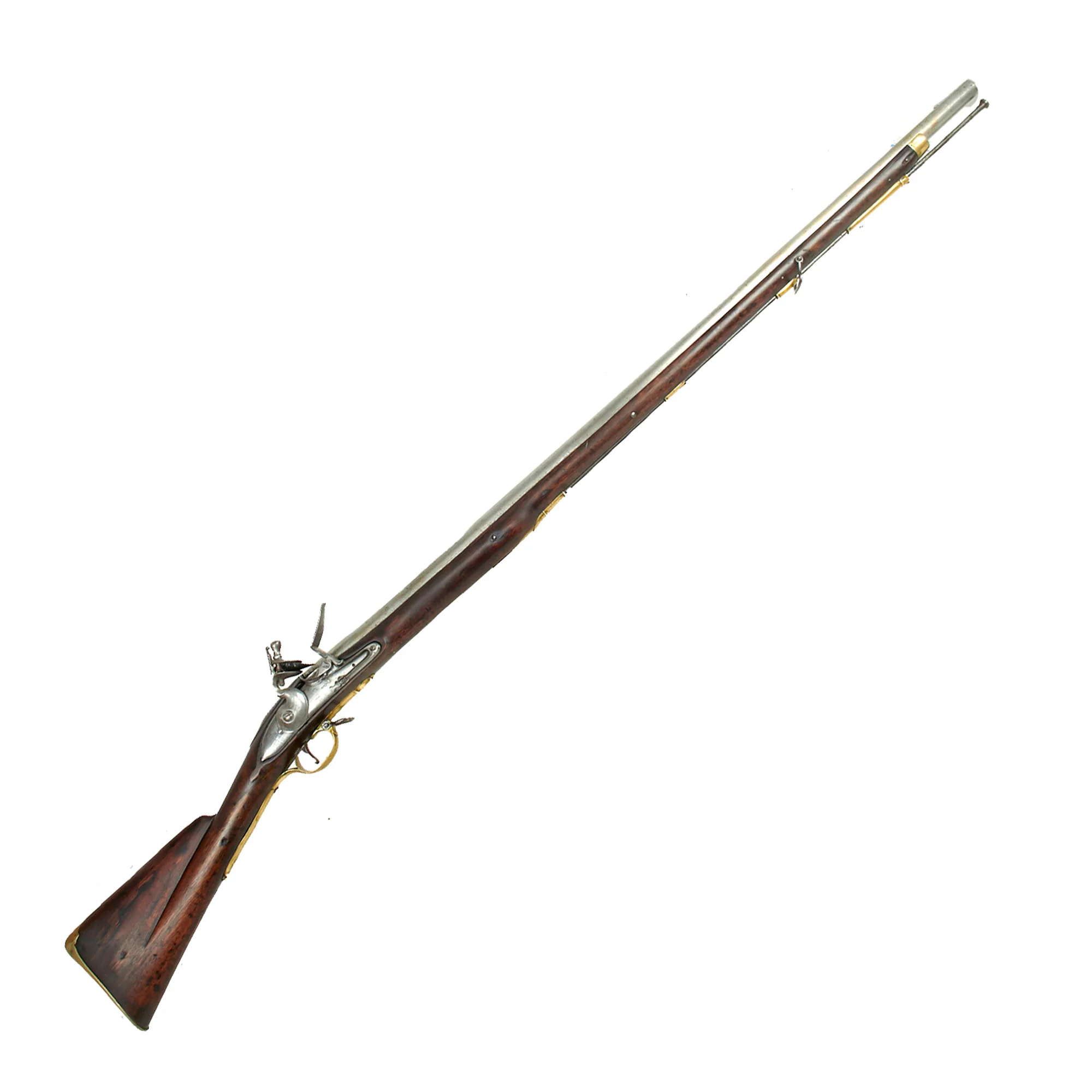
Original Item: Only One Available. The Martini-Enfield Carbine was effectively a Martini-Henry Carbine, rebarrelled to .303 and with a new extractor installed. This was far more economical for rear echelon troops than making a new purpose made weapon.
Originally (from 1889) Martini-Henry conversions used Metford rifled barrels (and were known as Martini-Metford rifles), which were more than suitable for the first .303 cartridges, which used black powder as a propellant. However, these wore out very quickly when fired with cordite/nitrocellulose cartridges (introduced in 1895) and so in 1895 the Enfield rifled barrel was introduced, which was much more satisfactory and suitable for use with "modern" (smokeless) ammunition.
The Martini-Enfield was in service from 1895-1918 (Lawrence of Arabia's Arab Irregulars were known to have used them during the Arab Revolt of 1916-1918, along with any other firearms they could acquire), and it remained a Reserve Arm in places like India and New Zealand until well into World War II.
Martini-Enfield carbines were manufactured/converted by:
- R.S.A.F. (Royal Small Arms Factory), Enfield Lock
- L.S.A. Co (London Small Arms Co)
- B.S.A. & M Co (Birmingham Small Arms & Metals Co, later simply BSA)
- H.R.B. Co. (Henry Rifle Barrel Co, later went out of business and taken over by Blenheim Engineering)
- N.A.&A. Co (National Arms & Ammunition Co)
The original manufacturer information, would be stamped onto the right side of the action, while the left side would have information regarding the conversion. This example is marked on the right action with original maker information, which is a bit faint, but still fully legible with a magnifier:
(Crown)
V.R.
ENFIELD
1874
(Lock Viewer Mark)
II
The left side is marked with the conversion information, which is a bit clearer:
(Crown)
V.R.
ENFIELD
1899
M.E. '303.
A.C.III.
This started life in England as a .577/.450 Martini Mark I in 1874, made by the Royal Small Arms Factory at Enfield Lock, and then like virtually all Mk.I rifles was converted to a Mark II, indicated by the off center "mark of arm" under the lock viewers mark. It was made just in time for the African Campaigns of the late 1870s and early 1880s. In 1899, again in England, it was reconfigured by RSAF Enfield into a Carbine and was converted to .303 caliber as an M.E. Artillery Carbine Mk III. It has the correct E stamped into the top of the barrel nocks form, indicating "Enfield" rifling.
In very nice condition this model saw service in throughout the British colonies, it is fitted to accept the P-1888 Lee Metford knife bayonet to attach directly under the barrel. The stocks are in good condition, though they do show long use and were most likely refurbished several times during the carbine's service life. We cannot see any identifiable markings, so the rear stock may have been replaced at some point. We noticed that the butt stock screws are both very loose, and the lower screw can fall out.
Mechanically the carbine functions well, with the ejector presenting when the breech block is opened, though we have not tested it on actual brass. It has a crisp dry fire, and we did not notice any excessive looseness in the action. We checked the bore, and we can still see clear rifling, however there is also wear and past oxidation, so it definitely saw a lot of use in service, and may not have been cleaned correctly.
A wonderful piece of British and Firearms history! Ready to research and display!
Specifications-
Year of Manufacture: 1874 - converted 1899
Caliber: .303 British
Cartridge Type: Centerfire Cartridge
Overall Length: 21 Inches
Overall Length: 36 3/4 Inches
Action type: Falling-Block
Feed System: Single Shot

Details & Craftsmanship
Every detail has been carefully considered to bring you the perfect product.

Details & Craftsmanship
Every detail has been carefully considered to bring you the perfect product.

Details & Craftsmanship
Every detail has been carefully considered to bring you the perfect product.

Details & Craftsmanship
Every detail has been carefully considered to bring you the perfect product.

Details & Craftsmanship
Every detail has been carefully considered to bring you the perfect product.

Details & Craftsmanship
Every detail has been carefully considered to bring you the perfect product.

Details & Craftsmanship
Every detail has been carefully considered to bring you the perfect product.

Details & Craftsmanship
Every detail has been carefully considered to bring you the perfect product.

Details & Craftsmanship
Every detail has been carefully considered to bring you the perfect product.

Details & Craftsmanship
Every detail has been carefully considered to bring you the perfect product.

Details & Craftsmanship
Every detail has been carefully considered to bring you the perfect product.

Details & Craftsmanship
Every detail has been carefully considered to bring you the perfect product.

Details & Craftsmanship
Every detail has been carefully considered to bring you the perfect product.

Details & Craftsmanship
Every detail has been carefully considered to bring you the perfect product.

Details & Craftsmanship
Every detail has been carefully considered to bring you the perfect product.

Details & Craftsmanship
Every detail has been carefully considered to bring you the perfect product.

Details & Craftsmanship
Every detail has been carefully considered to bring you the perfect product.

Details & Craftsmanship
Every detail has been carefully considered to bring you the perfect product.

Details & Craftsmanship
Every detail has been carefully considered to bring you the perfect product.

Details & Craftsmanship
Every detail has been carefully considered to bring you the perfect product.

Details & Craftsmanship
Every detail has been carefully considered to bring you the perfect product.

Details & Craftsmanship
Every detail has been carefully considered to bring you the perfect product.

Details & Craftsmanship
Every detail has been carefully considered to bring you the perfect product.

Details & Craftsmanship
Every detail has been carefully considered to bring you the perfect product.
Description
Original Item: Only One Available. The Martini-Enfield Carbine was effectively a Martini-Henry Carbine, rebarrelled to .303 and with a new extractor installed. This was far more economical for rear echelon troops than making a new purpose made weapon.
Originally (from 1889) Martini-Henry conversions used Metford rifled barrels (and were known as Martini-Metford rifles), which were more than suitable for the first .303 cartridges, which used black powder as a propellant. However, these wore out very quickly when fired with cordite/nitrocellulose cartridges (introduced in 1895) and so in 1895 the Enfield rifled barrel was introduced, which was much more satisfactory and suitable for use with "modern" (smokeless) ammunition.
The Martini-Enfield was in service from 1895-1918 (Lawrence of Arabia's Arab Irregulars were known to have used them during the Arab Revolt of 1916-1918, along with any other firearms they could acquire), and it remained a Reserve Arm in places like India and New Zealand until well into World War II.
Martini-Enfield carbines were manufactured/converted by:
- R.S.A.F. (Royal Small Arms Factory), Enfield Lock
- L.S.A. Co (London Small Arms Co)
- B.S.A. & M Co (Birmingham Small Arms & Metals Co, later simply BSA)
- H.R.B. Co. (Henry Rifle Barrel Co, later went out of business and taken over by Blenheim Engineering)
- N.A.&A. Co (National Arms & Ammunition Co)
The original manufacturer information, would be stamped onto the right side of the action, while the left side would have information regarding the conversion. This example is marked on the right action with original maker information, which is a bit faint, but still fully legible with a magnifier:
(Crown)
V.R.
ENFIELD
1874
(Lock Viewer Mark)
II
The left side is marked with the conversion information, which is a bit clearer:
(Crown)
V.R.
ENFIELD
1899
M.E. '303.
A.C.III.
This started life in England as a .577/.450 Martini Mark I in 1874, made by the Royal Small Arms Factory at Enfield Lock, and then like virtually all Mk.I rifles was converted to a Mark II, indicated by the off center "mark of arm" under the lock viewers mark. It was made just in time for the African Campaigns of the late 1870s and early 1880s. In 1899, again in England, it was reconfigured by RSAF Enfield into a Carbine and was converted to .303 caliber as an M.E. Artillery Carbine Mk III. It has the correct E stamped into the top of the barrel nocks form, indicating "Enfield" rifling.
In very nice condition this model saw service in throughout the British colonies, it is fitted to accept the P-1888 Lee Metford knife bayonet to attach directly under the barrel. The stocks are in good condition, though they do show long use and were most likely refurbished several times during the carbine's service life. We cannot see any identifiable markings, so the rear stock may have been replaced at some point. We noticed that the butt stock screws are both very loose, and the lower screw can fall out.
Mechanically the carbine functions well, with the ejector presenting when the breech block is opened, though we have not tested it on actual brass. It has a crisp dry fire, and we did not notice any excessive looseness in the action. We checked the bore, and we can still see clear rifling, however there is also wear and past oxidation, so it definitely saw a lot of use in service, and may not have been cleaned correctly.
A wonderful piece of British and Firearms history! Ready to research and display!
Specifications-
Year of Manufacture: 1874 - converted 1899
Caliber: .303 British
Cartridge Type: Centerfire Cartridge
Overall Length: 21 Inches
Overall Length: 36 3/4 Inches
Action type: Falling-Block
Feed System: Single Shot