
The Story
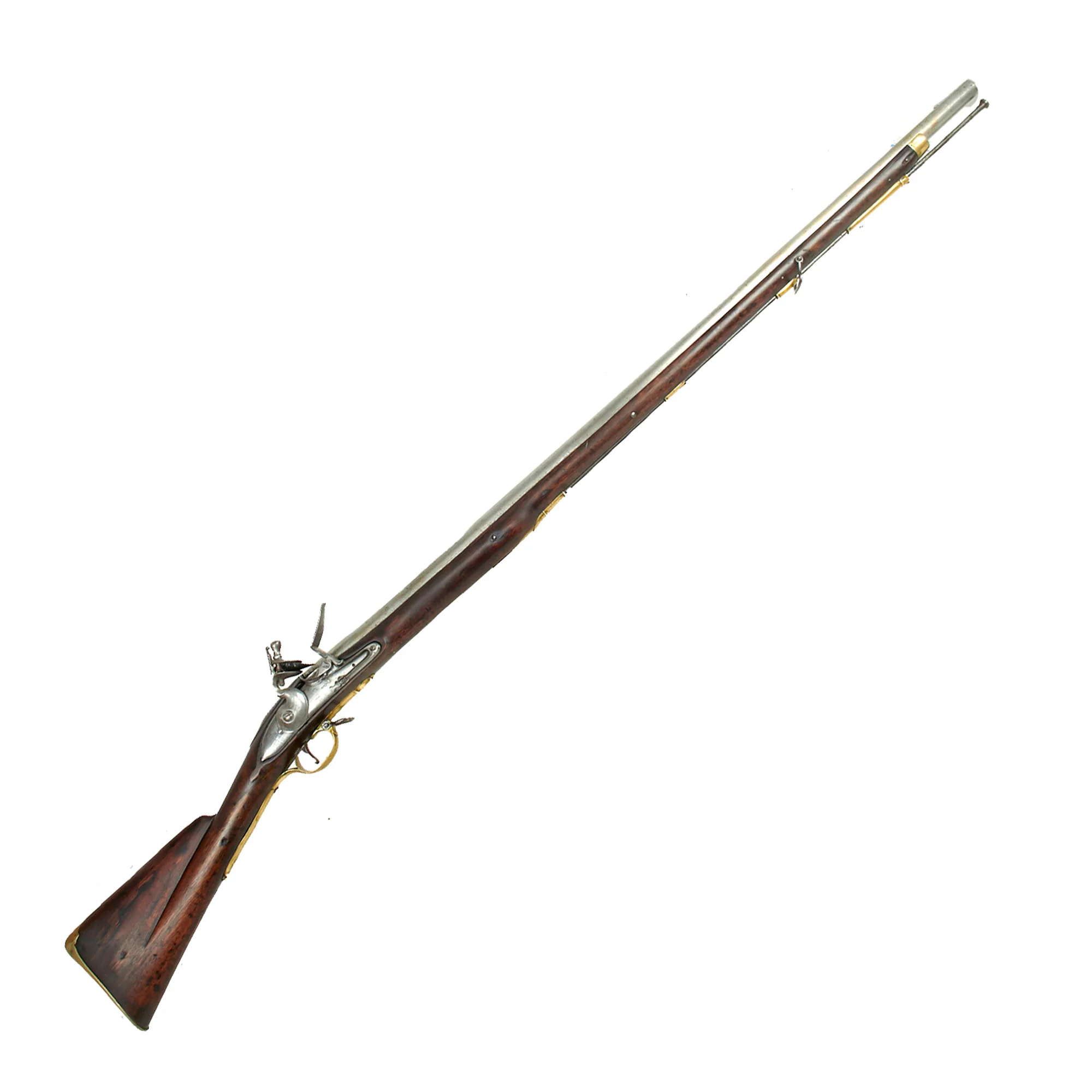
Original Item: One of a Kind. Original Item: Only One Available. The Nepalese cache purchase of 2003 is truly the gift that keeps on giving, even after almost 20 years! Made in England, this began life as an unusual second model Snider System carbine in .577 cal. The only Cavalry in the Royal Nepalese Gurkha Army was "The Royal Bodyguard" which would certainly account for the fact that so few Cavalry Carbines were discovered in the old Palace. We had several of these in the past, which were in lovely condition with well-appointed stocks.
This example however looks to have seen longer service, and at some point the original stock was broken or damaged, so it was fitted to another stock at arsenal in Nepal. We did not find any other carbines modified this way, so this item is truly one of a kind, assembled to allow a broken weapon to see further service. The lock plate on this example does not have any markings on it aside from a 1867 date, so it was most likely swapped out with the stock. The barrel marking is however still fully legible, and reads as follows:-
J.C. & A. LORD. LONDON, BIRMINGHAM & BOMBAY
The Snider action looks to be closest to a Mark II* Type, without the lever locking mechanism of the Mark III, but still having a small button at the bottom of the breech plug to retain the block. It is marked with the S / Arrow marking on the front shoe, with the SNIDER / PATENT marking on the top of the breech block around another "S / Arrow". We checked the firing pin, and it moves easily, though the tip end is worn or broken off, and the ejector is functional as well. The lock is fully functional, holding at half cock and firing at full. The ornamentation on the plate and hammer is definitely of British manufacture. The left side of the barrel and action show the correct Birmingham proof marks, including the CROWN / CROSSED SCEPTERS / BPC "proof" and CROWN / CROSSED SCEPTERS / V "viewed" marks. There is also the CROWN / BP definitive proof, and two 25 markings, indicating "25 bore" or about .571".
Measuring 40 1/2" with a 22" barrel, the carbine now looks very much like a short "Model F" style EIC musket, with the same type of trigger guard and other fittings, so that may be where the stock came from. It features sling swivels on the butt stock, trigger guard, and fore stock. and there is a shortened Snider type cleaning rod under the barrel. The bore has five groove rifling, which shows a bright finish with crisp lands and grooves. There is just a bit of past fouling, now removed, and it really looks great. The stock also has some beautiful flame figuring in the butt stock area, which makes it highly attractive.
A truly interesting carbine, custom built almost certainly for the "Royal Bodyguard", but later repurposed for further service. Ready to research and display!
Specifications:-
Year of Manufacture: 1867
Caliber: .58 inches
Ammunition Type: .577 Centerfire Cartridge
Barrel Length: 22 inches
Overall Length: 40 1/2 inches
Action: Side Action Lock
Feed System: Side Hinge Rotating Breech block
NOTE: International orders of antique firearms MUST be shipped using UPS WW Services (courier). USPS Priority Mail international will not accept these. International customers should always consult their country's antique gun laws prior to ordering.
History of the Snider rifle- Jacob Snider, an American from New York, developed this breech loading system for the P-1853 Enfield, the most prolific imported Percussion rifle in use by both the North and South during the U.S. Civil War. When the British Board of Ordnance appointed a Select Committee in 1864 the Snider system was swiftly adopted with the first breech loaders being issued in 1865 to British forces.
Improved in 1867 by the use of Colonel Boxer's center fire brass bodied cartridge, the rifle was used very effectively in the Abyssinian Campaign of 1868. The system utilized a hinged breech block with an internal firing pin assembly that permitted the use of a self contained cartridge of lead bullet in cardboard, and, after 1867, brass casing. This highly efficient conversion system prolonged the active life of the P-1853 rifles up until 1871 when the Martini System was adopted. Snider rifles saw continued use throughout the Empire but were officially obsoleted by the late 1880s.

Details & Craftsmanship
Every detail has been carefully considered to bring you the perfect product.

Details & Craftsmanship
Every detail has been carefully considered to bring you the perfect product.

Details & Craftsmanship
Every detail has been carefully considered to bring you the perfect product.

Details & Craftsmanship
Every detail has been carefully considered to bring you the perfect product.

Details & Craftsmanship
Every detail has been carefully considered to bring you the perfect product.

Details & Craftsmanship
Every detail has been carefully considered to bring you the perfect product.

Details & Craftsmanship
Every detail has been carefully considered to bring you the perfect product.

Details & Craftsmanship
Every detail has been carefully considered to bring you the perfect product.

Details & Craftsmanship
Every detail has been carefully considered to bring you the perfect product.

Details & Craftsmanship
Every detail has been carefully considered to bring you the perfect product.

Details & Craftsmanship
Every detail has been carefully considered to bring you the perfect product.

Details & Craftsmanship
Every detail has been carefully considered to bring you the perfect product.

Details & Craftsmanship
Every detail has been carefully considered to bring you the perfect product.

Details & Craftsmanship
Every detail has been carefully considered to bring you the perfect product.

Details & Craftsmanship
Every detail has been carefully considered to bring you the perfect product.

Details & Craftsmanship
Every detail has been carefully considered to bring you the perfect product.

Details & Craftsmanship
Every detail has been carefully considered to bring you the perfect product.

Details & Craftsmanship
Every detail has been carefully considered to bring you the perfect product.

Details & Craftsmanship
Every detail has been carefully considered to bring you the perfect product.

Details & Craftsmanship
Every detail has been carefully considered to bring you the perfect product.

Details & Craftsmanship
Every detail has been carefully considered to bring you the perfect product.

Details & Craftsmanship
Every detail has been carefully considered to bring you the perfect product.

Details & Craftsmanship
Every detail has been carefully considered to bring you the perfect product.
Description
Original Item: One of a Kind. Original Item: Only One Available. The Nepalese cache purchase of 2003 is truly the gift that keeps on giving, even after almost 20 years! Made in England, this began life as an unusual second model Snider System carbine in .577 cal. The only Cavalry in the Royal Nepalese Gurkha Army was "The Royal Bodyguard" which would certainly account for the fact that so few Cavalry Carbines were discovered in the old Palace. We had several of these in the past, which were in lovely condition with well-appointed stocks.
This example however looks to have seen longer service, and at some point the original stock was broken or damaged, so it was fitted to another stock at arsenal in Nepal. We did not find any other carbines modified this way, so this item is truly one of a kind, assembled to allow a broken weapon to see further service. The lock plate on this example does not have any markings on it aside from a 1867 date, so it was most likely swapped out with the stock. The barrel marking is however still fully legible, and reads as follows:-
J.C. & A. LORD. LONDON, BIRMINGHAM & BOMBAY
The Snider action looks to be closest to a Mark II* Type, without the lever locking mechanism of the Mark III, but still having a small button at the bottom of the breech plug to retain the block. It is marked with the S / Arrow marking on the front shoe, with the SNIDER / PATENT marking on the top of the breech block around another "S / Arrow". We checked the firing pin, and it moves easily, though the tip end is worn or broken off, and the ejector is functional as well. The lock is fully functional, holding at half cock and firing at full. The ornamentation on the plate and hammer is definitely of British manufacture. The left side of the barrel and action show the correct Birmingham proof marks, including the CROWN / CROSSED SCEPTERS / BPC "proof" and CROWN / CROSSED SCEPTERS / V "viewed" marks. There is also the CROWN / BP definitive proof, and two 25 markings, indicating "25 bore" or about .571".
Measuring 40 1/2" with a 22" barrel, the carbine now looks very much like a short "Model F" style EIC musket, with the same type of trigger guard and other fittings, so that may be where the stock came from. It features sling swivels on the butt stock, trigger guard, and fore stock. and there is a shortened Snider type cleaning rod under the barrel. The bore has five groove rifling, which shows a bright finish with crisp lands and grooves. There is just a bit of past fouling, now removed, and it really looks great. The stock also has some beautiful flame figuring in the butt stock area, which makes it highly attractive.
A truly interesting carbine, custom built almost certainly for the "Royal Bodyguard", but later repurposed for further service. Ready to research and display!
Specifications:-
Year of Manufacture: 1867
Caliber: .58 inches
Ammunition Type: .577 Centerfire Cartridge
Barrel Length: 22 inches
Overall Length: 40 1/2 inches
Action: Side Action Lock
Feed System: Side Hinge Rotating Breech block
NOTE: International orders of antique firearms MUST be shipped using UPS WW Services (courier). USPS Priority Mail international will not accept these. International customers should always consult their country's antique gun laws prior to ordering.
History of the Snider rifle- Jacob Snider, an American from New York, developed this breech loading system for the P-1853 Enfield, the most prolific imported Percussion rifle in use by both the North and South during the U.S. Civil War. When the British Board of Ordnance appointed a Select Committee in 1864 the Snider system was swiftly adopted with the first breech loaders being issued in 1865 to British forces.
Improved in 1867 by the use of Colonel Boxer's center fire brass bodied cartridge, the rifle was used very effectively in the Abyssinian Campaign of 1868. The system utilized a hinged breech block with an internal firing pin assembly that permitted the use of a self contained cartridge of lead bullet in cardboard, and, after 1867, brass casing. This highly efficient conversion system prolonged the active life of the P-1853 rifles up until 1871 when the Martini System was adopted. Snider rifles saw continued use throughout the Empire but were officially obsoleted by the late 1880s.