
Original: $2,695.00
-70%$2,695.00
$808.50The Story
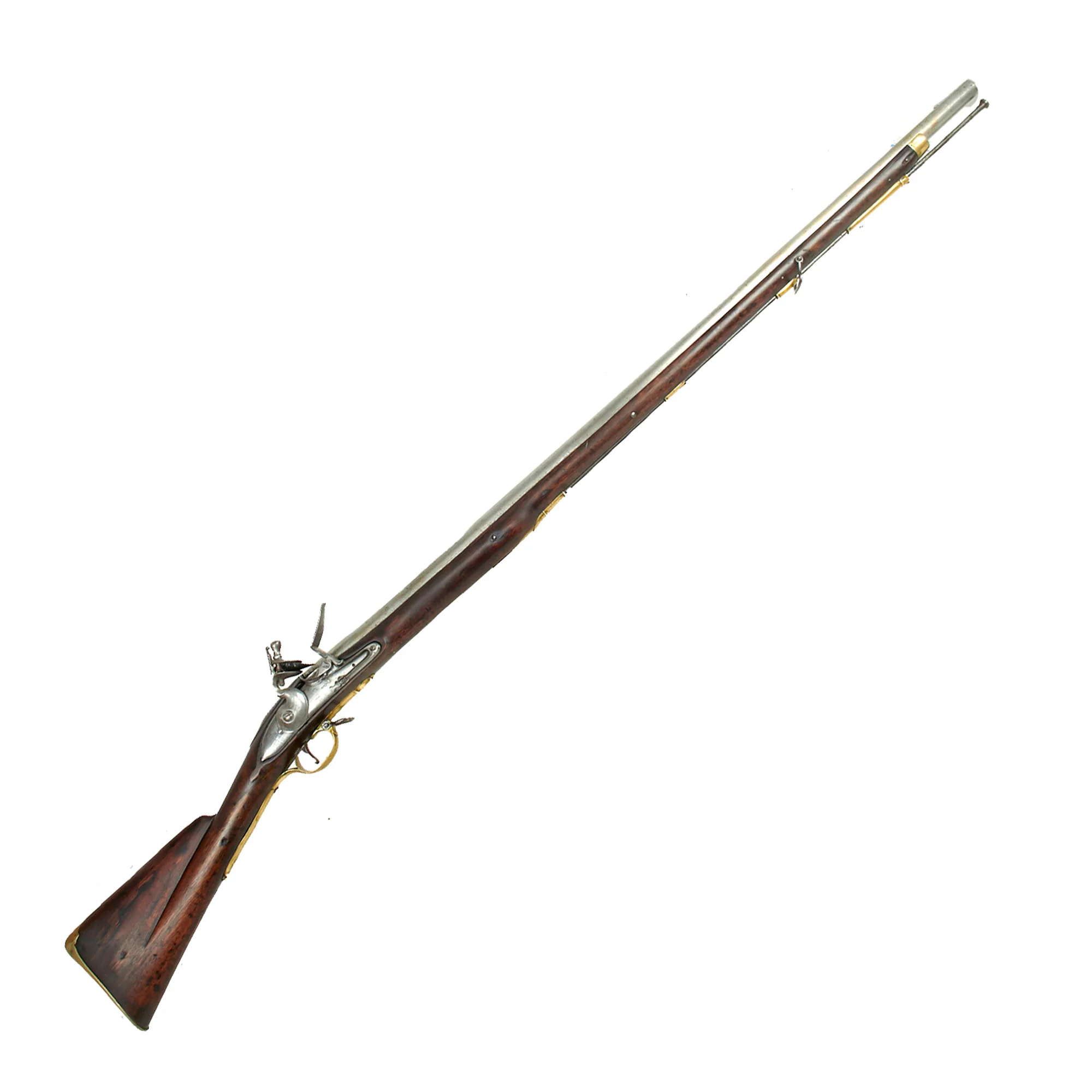
Original Item: One Only. This is one rare bird! This rifle started life as an 1893 dated Lee Metford MkII .303 caliber rifle, then was converted into an extremely early S.M.L.E. configuration, and later to a .22 Training rifle. It may well have passed through being modified to an 1895 Long Lee Enfield as well, though the markings do not indicate this. It has many of the characteristics the VERY EARLIEST P-1903 Short Magazine Lee-Enfield rifles, but in .22 caliber for training purposes.
It was originally fitted with long range volley sights on the left hand side, and like most we see, the front sight has been removed or broke off, however the rear sight is still present, which is usually the one that is missing. It also has the EARLIEST version of the lower hand guard, incorporating steel wings screwed directly into the wood. Really a great piece of history here! We have had several of these in the past, but unfortunately those days are gone, and this is possibly the last one we will ever have!
As time passed it saw extensive service, and there are numerous proofs and markings on the stock and metal, some of which are no longer completely legible. There are still regimental markings on the buttstock marking disc: 5. 09 / 3. WED / 642, though this could also be a date. There are also several faint rondels stamped into the wood, which are unfortunately no longer fully visible. The receiver is re-marked with serial number P / 5456, which matches the number on the bottom of the nose cap assembly.
It is in fine condition and comes with the correct empty magazine that is open on the bottom. The bore is in very good condition, showing a mostly bright finish with clear lands and grooves. There definitely is wear to the lands, as expected for a training rifle that was probably in service for decades. The stock is solid, with the expected wear of age and long service, and a patch repair near the top of the brass butt plate.
The markings on this rifle help trace the history of the refits it has gone through. On the top right of the stock cup it is marked with the original production information, which is a bit faint:
(Crown)
V.R.
B.S.A. & M.Co
1893
II
First, the royal cypher Crown over V.R., for Victoria Regina. Well, this Queen, longest lived of all British monarchs, had an influence far beyond the British Isles and the British Empire during the Nineteenth Century. Victorian morals dominated the cultured classes of Great Britain and the new United States, and even now, in the Twenty-First Century, nostalgic organizations such as the Victorian Riflemen thrive in the former Colonies.
Second, “B.S.A & M.Co” indicates that the first incarnation of this piece was produced at “Birmingham Small Arms & Metal Company,” and “1893” was the year of manufacture. Lastly, for its first incarnation, “II.” tells us that it was manufactured as a “Rifle, Magazine, Lee-Metford Mark II”. In other words, this piece originated as a Lee-Metford MkII rifle. How can one measure how much history this rifle has seen? Think Second Anglo-Boer War in South Africa.
Third, the lower left of the butt socket is clearly stamped:
SPARKBROOK
1904
SHT L.E.
CON'D II
which indicates it was modified at Royal Small Arms Factory Sparkbrook in 1904 to the “Rifle, Short, Magazine, Lee-Enfield, Converted Mark II”. Think of the very first S.M.L.E. Mk I with its exotic rear sight, rear sight protectors, and lumpy nose cap. The British, ever thrifty, began to convert long Lee-Metfords and long Lee-Enfields to S.M.L.E.s soon after sealing the pattern. All the converted rifles were called the Mark II.
Fourth and lastly, the lower right side of the butt cup is marked:
A.G.PARKER
& Co LTD
BIRMINGHAM
22 PATT
'14 №1
This indicates that the rifle's last conversion was performed by government contractor A.G. Parker in Birmingham, not one of the Royal Armories. We believe it is most likely the “.22 RF Pattern 1914 Short Rifle No. 1” conversion, which would be correct for this, so the "'14" could be a part of the model designation, and not a date. This rifle was converted for training use prior to WWI, and is fitted with an old WWII period sling, which is the longer 52 inch type usually issued to Bren LMGs.
Think of British Tommies training to be the most accurate riflemen of any European army in the impending Great War, which began over 100 years ago now. Many of those remarkable riflemen were dead by the end of the year. This “little .22” is now 130 years old, and is in very, very nice condition for its age. Christian has said he hopes to be in comparable condition at that age.
This is a great chance to own an interesting .22 SMLE trainer, with loads of history! Ready to display!
Specifications-
Year of Manufacture: 1893. Converted 1904 and later 1914
Caliber: .22 cal
Cartridge Type: Rimfire Cartridge
Overall Length: 25 Inches
Overall Length: 44 Inches
Action type: Bolt-Action
Feed System: Single Shot

Details & Craftsmanship
Every detail has been carefully considered to bring you the perfect product.

Details & Craftsmanship
Every detail has been carefully considered to bring you the perfect product.

Details & Craftsmanship
Every detail has been carefully considered to bring you the perfect product.

Details & Craftsmanship
Every detail has been carefully considered to bring you the perfect product.

Details & Craftsmanship
Every detail has been carefully considered to bring you the perfect product.

Details & Craftsmanship
Every detail has been carefully considered to bring you the perfect product.

Details & Craftsmanship
Every detail has been carefully considered to bring you the perfect product.

Details & Craftsmanship
Every detail has been carefully considered to bring you the perfect product.

Details & Craftsmanship
Every detail has been carefully considered to bring you the perfect product.

Details & Craftsmanship
Every detail has been carefully considered to bring you the perfect product.

Details & Craftsmanship
Every detail has been carefully considered to bring you the perfect product.

Details & Craftsmanship
Every detail has been carefully considered to bring you the perfect product.

Details & Craftsmanship
Every detail has been carefully considered to bring you the perfect product.

Details & Craftsmanship
Every detail has been carefully considered to bring you the perfect product.

Details & Craftsmanship
Every detail has been carefully considered to bring you the perfect product.

Details & Craftsmanship
Every detail has been carefully considered to bring you the perfect product.

Details & Craftsmanship
Every detail has been carefully considered to bring you the perfect product.

Details & Craftsmanship
Every detail has been carefully considered to bring you the perfect product.

Details & Craftsmanship
Every detail has been carefully considered to bring you the perfect product.

Details & Craftsmanship
Every detail has been carefully considered to bring you the perfect product.

Details & Craftsmanship
Every detail has been carefully considered to bring you the perfect product.

Details & Craftsmanship
Every detail has been carefully considered to bring you the perfect product.

Details & Craftsmanship
Every detail has been carefully considered to bring you the perfect product.

Details & Craftsmanship
Every detail has been carefully considered to bring you the perfect product.

Details & Craftsmanship
Every detail has been carefully considered to bring you the perfect product.
Description
Original Item: One Only. This is one rare bird! This rifle started life as an 1893 dated Lee Metford MkII .303 caliber rifle, then was converted into an extremely early S.M.L.E. configuration, and later to a .22 Training rifle. It may well have passed through being modified to an 1895 Long Lee Enfield as well, though the markings do not indicate this. It has many of the characteristics the VERY EARLIEST P-1903 Short Magazine Lee-Enfield rifles, but in .22 caliber for training purposes.
It was originally fitted with long range volley sights on the left hand side, and like most we see, the front sight has been removed or broke off, however the rear sight is still present, which is usually the one that is missing. It also has the EARLIEST version of the lower hand guard, incorporating steel wings screwed directly into the wood. Really a great piece of history here! We have had several of these in the past, but unfortunately those days are gone, and this is possibly the last one we will ever have!
As time passed it saw extensive service, and there are numerous proofs and markings on the stock and metal, some of which are no longer completely legible. There are still regimental markings on the buttstock marking disc: 5. 09 / 3. WED / 642, though this could also be a date. There are also several faint rondels stamped into the wood, which are unfortunately no longer fully visible. The receiver is re-marked with serial number P / 5456, which matches the number on the bottom of the nose cap assembly.
It is in fine condition and comes with the correct empty magazine that is open on the bottom. The bore is in very good condition, showing a mostly bright finish with clear lands and grooves. There definitely is wear to the lands, as expected for a training rifle that was probably in service for decades. The stock is solid, with the expected wear of age and long service, and a patch repair near the top of the brass butt plate.
The markings on this rifle help trace the history of the refits it has gone through. On the top right of the stock cup it is marked with the original production information, which is a bit faint:
(Crown)
V.R.
B.S.A. & M.Co
1893
II
First, the royal cypher Crown over V.R., for Victoria Regina. Well, this Queen, longest lived of all British monarchs, had an influence far beyond the British Isles and the British Empire during the Nineteenth Century. Victorian morals dominated the cultured classes of Great Britain and the new United States, and even now, in the Twenty-First Century, nostalgic organizations such as the Victorian Riflemen thrive in the former Colonies.
Second, “B.S.A & M.Co” indicates that the first incarnation of this piece was produced at “Birmingham Small Arms & Metal Company,” and “1893” was the year of manufacture. Lastly, for its first incarnation, “II.” tells us that it was manufactured as a “Rifle, Magazine, Lee-Metford Mark II”. In other words, this piece originated as a Lee-Metford MkII rifle. How can one measure how much history this rifle has seen? Think Second Anglo-Boer War in South Africa.
Third, the lower left of the butt socket is clearly stamped:
SPARKBROOK
1904
SHT L.E.
CON'D II
which indicates it was modified at Royal Small Arms Factory Sparkbrook in 1904 to the “Rifle, Short, Magazine, Lee-Enfield, Converted Mark II”. Think of the very first S.M.L.E. Mk I with its exotic rear sight, rear sight protectors, and lumpy nose cap. The British, ever thrifty, began to convert long Lee-Metfords and long Lee-Enfields to S.M.L.E.s soon after sealing the pattern. All the converted rifles were called the Mark II.
Fourth and lastly, the lower right side of the butt cup is marked:
A.G.PARKER
& Co LTD
BIRMINGHAM
22 PATT
'14 №1
This indicates that the rifle's last conversion was performed by government contractor A.G. Parker in Birmingham, not one of the Royal Armories. We believe it is most likely the “.22 RF Pattern 1914 Short Rifle No. 1” conversion, which would be correct for this, so the "'14" could be a part of the model designation, and not a date. This rifle was converted for training use prior to WWI, and is fitted with an old WWII period sling, which is the longer 52 inch type usually issued to Bren LMGs.
Think of British Tommies training to be the most accurate riflemen of any European army in the impending Great War, which began over 100 years ago now. Many of those remarkable riflemen were dead by the end of the year. This “little .22” is now 130 years old, and is in very, very nice condition for its age. Christian has said he hopes to be in comparable condition at that age.
This is a great chance to own an interesting .22 SMLE trainer, with loads of history! Ready to display!
Specifications-
Year of Manufacture: 1893. Converted 1904 and later 1914
Caliber: .22 cal
Cartridge Type: Rimfire Cartridge
Overall Length: 25 Inches
Overall Length: 44 Inches
Action type: Bolt-Action
Feed System: Single Shot