
Original: $695.00
-70%$695.00
$208.50The Story
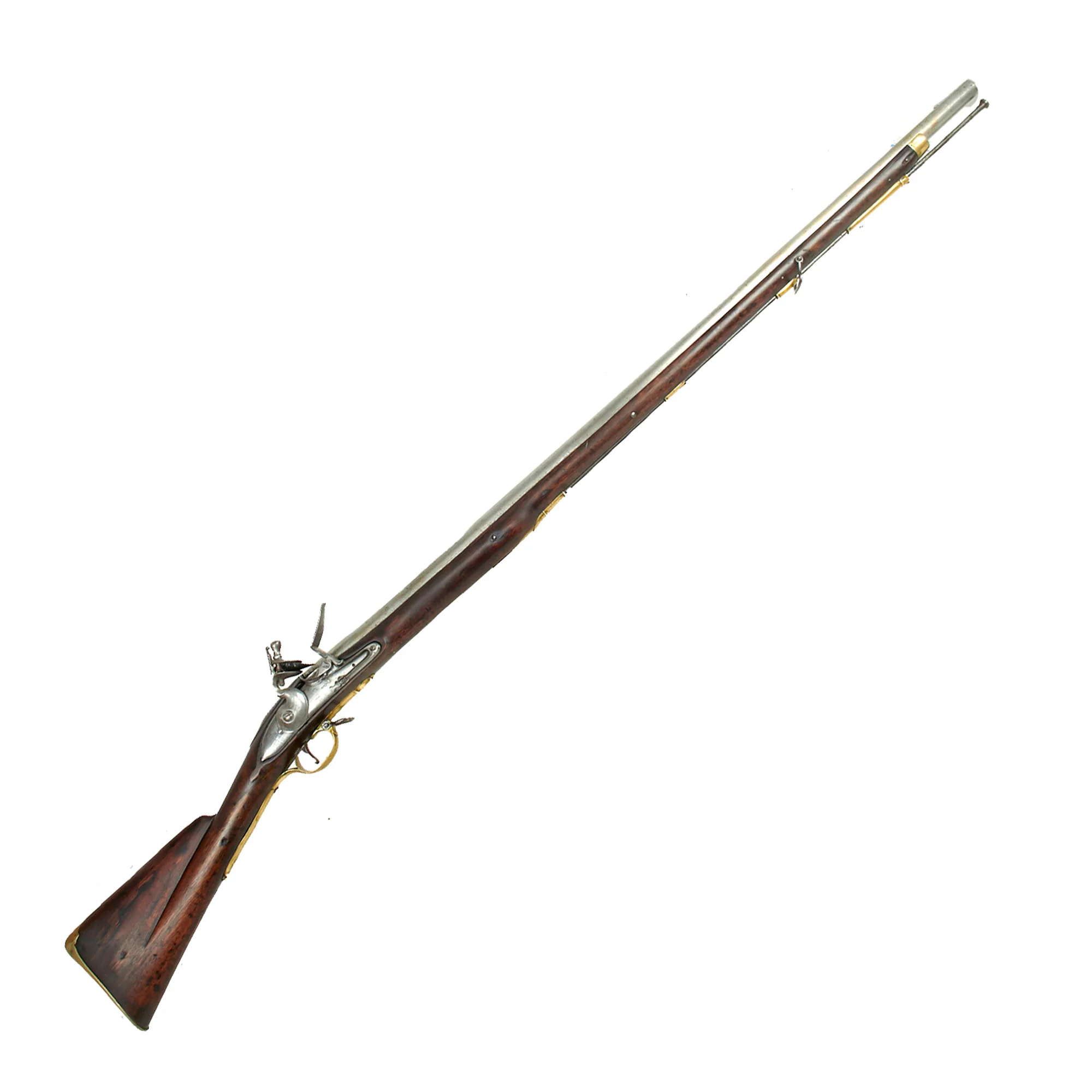
Original Item: Only One Available. This Dutch Infantry Rifle was made by Stevens in Maastricht in the Netherlands, and is actually dated 1873. The model M-71 was a single shot 11mm rifle that was converted to a bolt-action magazine rifle with a capacity of four rounds in 1891. This magazine system was introduced in 1888, derived from Vitali's improvements to the Italian Vetterli rifle, and led to the designation Beaumont-Vitali M1871/88.
This example has serial number 38 on the barrel and butt plate, and numbers 897 J on all of the bolt components, above the chamber on the receiver, as well as on the magazine floor plate. This is normal for the converted rifles, as the action had to be rebuilt. The barrel is dated 1874, and the receiver is worn, and we do not see any maker markings on the receiver. It is in very good condition overall with a beautiful stock, still bearing a clear DELFT / 1874 cartouche with CROWN / W in the middle, for William III of the Netherlands. Most of these we see are from Maastricht, in the south of the Netherlands near the Belgium border, but this was made in Delft near the Hague. Additionally, the butt plate is marked 1893, indicating the year it was converted to the bolt-action magazine system.
The rifle is in very good overall condition, with a great aged look from years of care and cleaning. The metalwork has been polished bright from decades of cleaning, with some areas showing some past oxidation, now cleaned away. All components are solid and the bolt moves crisply with just a bit of slop due to wear. The magazine cutoff is present and functional, and the bolt extractor and ejector are both present as well, though we have no way to test to see if it still feeds. The bore is in very good condition, with crisp lands and grooves and a mostly bright finish. There is some past fouling and oxidation in the grooves, mostly cleaned away, so it definitely did see use during its service life.
The wood stock is in great shape, with a beautiful dark red brown color and finish, as well as some fantastic grain that shows a good amount of figuring on both sides, especially on the butt stock area. It has the usual dents and dings expected on a rifle used in service, but no major structural damage we can see. Both sling swivels are present and move easily, though the cleaning rod is unfortunately missing.
Still in use by the time WW1 came in 1914 but was much outclassed by the Mauser and Enfield rifle systems introduced in the late 1890s. An unusual system, the bolts spring is in fact housed inside the bolt handle, from an era of great firearms development worldwide, the dawn of the breech-loading period this is unusual and not easy to find. Ready to display!
Specifications:-
Year of Manufacture: 1874 - converted 1893
Caliber: 11.3mm x 51R Dutch Beaumont
Cartridge Type: Centerfire Cartridge
Barrel Length: 32 Inches
Overall Length: 52 Inches
Action type: Bolt-Action
Feed System: 4 Round Magazine
History of the Beaumont:
Created in 1871 by a Dutch engineer named Messerecht, the Dutch Beaumont rifle was one of the first metallic cartridge bolt-action rifle to be adopted by any military. Firing an 11.3x50mm cartridge it was single shot only, meaning the user had to insert a new cartridge after every shot. Unlike other rifles, the mainspring of the Beaumont was located within the bolt handle, an exact copy of the Mauser Norris rifle, which would also be copied by the Japanese with the Murata rifle. This same feature, however, made it impossible to turn down the bolt on cavalry and carbine models.
While the Beaumont was state of the art for its day, by the late 1880's it was obsolete as repeating rifles became all the rage in Europe. To make up for the Beaumont's deficiency, the Dutch added a magazine to the rifle, the same type of magazine used by the Italians when they converted their single shot Vetterli rifles into repeaters. Since the Beaumont was outfitted with the Italian Vitali magazine in 1888, it was redubbed the Beaumont-Vitali Model 1871/88. The Vitali magazine held four rounds and was reloaded with an en bloc clip made of cardboard. When the clip was empty, an attached string was pulled to remove it from the magazine, no kidding.
Despite the upgrade the Beaumont-Vitali, much like the Italian Vetterli Vitali, was obsolete by the time it was introduced. By 1890 nations began to adopt smokeless powder designs which used smaller caliber high velocity cartridges firing conical shaped spitzer bullets. Eventually the Dutch phased out the Beaumont-Vitali and replaced it with the M95 Steyr-Hembrug.
NOTE: International orders of antique firearms MUST be shipped using UPS WW Services (courier). USPS Priority Mail international will not accept these. International customers should always consult their country's antique gun laws prior to ordering.

Details & Craftsmanship
Every detail has been carefully considered to bring you the perfect product.

Details & Craftsmanship
Every detail has been carefully considered to bring you the perfect product.

Details & Craftsmanship
Every detail has been carefully considered to bring you the perfect product.

Details & Craftsmanship
Every detail has been carefully considered to bring you the perfect product.

Details & Craftsmanship
Every detail has been carefully considered to bring you the perfect product.

Details & Craftsmanship
Every detail has been carefully considered to bring you the perfect product.

Details & Craftsmanship
Every detail has been carefully considered to bring you the perfect product.

Details & Craftsmanship
Every detail has been carefully considered to bring you the perfect product.

Details & Craftsmanship
Every detail has been carefully considered to bring you the perfect product.

Details & Craftsmanship
Every detail has been carefully considered to bring you the perfect product.

Details & Craftsmanship
Every detail has been carefully considered to bring you the perfect product.

Details & Craftsmanship
Every detail has been carefully considered to bring you the perfect product.

Details & Craftsmanship
Every detail has been carefully considered to bring you the perfect product.

Details & Craftsmanship
Every detail has been carefully considered to bring you the perfect product.

Details & Craftsmanship
Every detail has been carefully considered to bring you the perfect product.

Details & Craftsmanship
Every detail has been carefully considered to bring you the perfect product.

Details & Craftsmanship
Every detail has been carefully considered to bring you the perfect product.

Details & Craftsmanship
Every detail has been carefully considered to bring you the perfect product.

Details & Craftsmanship
Every detail has been carefully considered to bring you the perfect product.

Details & Craftsmanship
Every detail has been carefully considered to bring you the perfect product.

Details & Craftsmanship
Every detail has been carefully considered to bring you the perfect product.

Details & Craftsmanship
Every detail has been carefully considered to bring you the perfect product.

Details & Craftsmanship
Every detail has been carefully considered to bring you the perfect product.

Details & Craftsmanship
Every detail has been carefully considered to bring you the perfect product.

Details & Craftsmanship
Every detail has been carefully considered to bring you the perfect product.
Description
Original Item: Only One Available. This Dutch Infantry Rifle was made by Stevens in Maastricht in the Netherlands, and is actually dated 1873. The model M-71 was a single shot 11mm rifle that was converted to a bolt-action magazine rifle with a capacity of four rounds in 1891. This magazine system was introduced in 1888, derived from Vitali's improvements to the Italian Vetterli rifle, and led to the designation Beaumont-Vitali M1871/88.
This example has serial number 38 on the barrel and butt plate, and numbers 897 J on all of the bolt components, above the chamber on the receiver, as well as on the magazine floor plate. This is normal for the converted rifles, as the action had to be rebuilt. The barrel is dated 1874, and the receiver is worn, and we do not see any maker markings on the receiver. It is in very good condition overall with a beautiful stock, still bearing a clear DELFT / 1874 cartouche with CROWN / W in the middle, for William III of the Netherlands. Most of these we see are from Maastricht, in the south of the Netherlands near the Belgium border, but this was made in Delft near the Hague. Additionally, the butt plate is marked 1893, indicating the year it was converted to the bolt-action magazine system.
The rifle is in very good overall condition, with a great aged look from years of care and cleaning. The metalwork has been polished bright from decades of cleaning, with some areas showing some past oxidation, now cleaned away. All components are solid and the bolt moves crisply with just a bit of slop due to wear. The magazine cutoff is present and functional, and the bolt extractor and ejector are both present as well, though we have no way to test to see if it still feeds. The bore is in very good condition, with crisp lands and grooves and a mostly bright finish. There is some past fouling and oxidation in the grooves, mostly cleaned away, so it definitely did see use during its service life.
The wood stock is in great shape, with a beautiful dark red brown color and finish, as well as some fantastic grain that shows a good amount of figuring on both sides, especially on the butt stock area. It has the usual dents and dings expected on a rifle used in service, but no major structural damage we can see. Both sling swivels are present and move easily, though the cleaning rod is unfortunately missing.
Still in use by the time WW1 came in 1914 but was much outclassed by the Mauser and Enfield rifle systems introduced in the late 1890s. An unusual system, the bolts spring is in fact housed inside the bolt handle, from an era of great firearms development worldwide, the dawn of the breech-loading period this is unusual and not easy to find. Ready to display!
Specifications:-
Year of Manufacture: 1874 - converted 1893
Caliber: 11.3mm x 51R Dutch Beaumont
Cartridge Type: Centerfire Cartridge
Barrel Length: 32 Inches
Overall Length: 52 Inches
Action type: Bolt-Action
Feed System: 4 Round Magazine
History of the Beaumont:
Created in 1871 by a Dutch engineer named Messerecht, the Dutch Beaumont rifle was one of the first metallic cartridge bolt-action rifle to be adopted by any military. Firing an 11.3x50mm cartridge it was single shot only, meaning the user had to insert a new cartridge after every shot. Unlike other rifles, the mainspring of the Beaumont was located within the bolt handle, an exact copy of the Mauser Norris rifle, which would also be copied by the Japanese with the Murata rifle. This same feature, however, made it impossible to turn down the bolt on cavalry and carbine models.
While the Beaumont was state of the art for its day, by the late 1880's it was obsolete as repeating rifles became all the rage in Europe. To make up for the Beaumont's deficiency, the Dutch added a magazine to the rifle, the same type of magazine used by the Italians when they converted their single shot Vetterli rifles into repeaters. Since the Beaumont was outfitted with the Italian Vitali magazine in 1888, it was redubbed the Beaumont-Vitali Model 1871/88. The Vitali magazine held four rounds and was reloaded with an en bloc clip made of cardboard. When the clip was empty, an attached string was pulled to remove it from the magazine, no kidding.
Despite the upgrade the Beaumont-Vitali, much like the Italian Vetterli Vitali, was obsolete by the time it was introduced. By 1890 nations began to adopt smokeless powder designs which used smaller caliber high velocity cartridges firing conical shaped spitzer bullets. Eventually the Dutch phased out the Beaumont-Vitali and replaced it with the M95 Steyr-Hembrug.
NOTE: International orders of antique firearms MUST be shipped using UPS WW Services (courier). USPS Priority Mail international will not accept these. International customers should always consult their country's antique gun laws prior to ordering.