
Original German WWI Spring Handle Cube-Headed Trench Raiding Mace with Original Leather - Featured in “At Arms Length: Trench Clubs” Volume I & II by David F. Machnicki
Original German WWI Spring Handle Cube-Headed Trench Raiding Mace with Original Leather - Featured in “At Arms Length: Trench Clubs” Volume I & II by David F. Machnicki
Original: $3,495.00
-70%$3,495.00
$1,048.50The Story
Original Item. One-of-a-Kind. Purchased directly from David F. Machnicki, the author of At Arm's Length Trench Clubs and Maces (Vol. II), where this very club is featured on page 34! This example is ALSO featured in At Arm's Length Trench Clubs and Knives (Vol. 1) on page 46! Please note that the attached page image from the book is copyrighted material and the use of the page is done by permission of the author. A printed copy of the page will accompany the purchase of this club. This is a very well-known model that saw heavy use by Germany during World War I. There are also period photos showing these in use.
The entry reads:
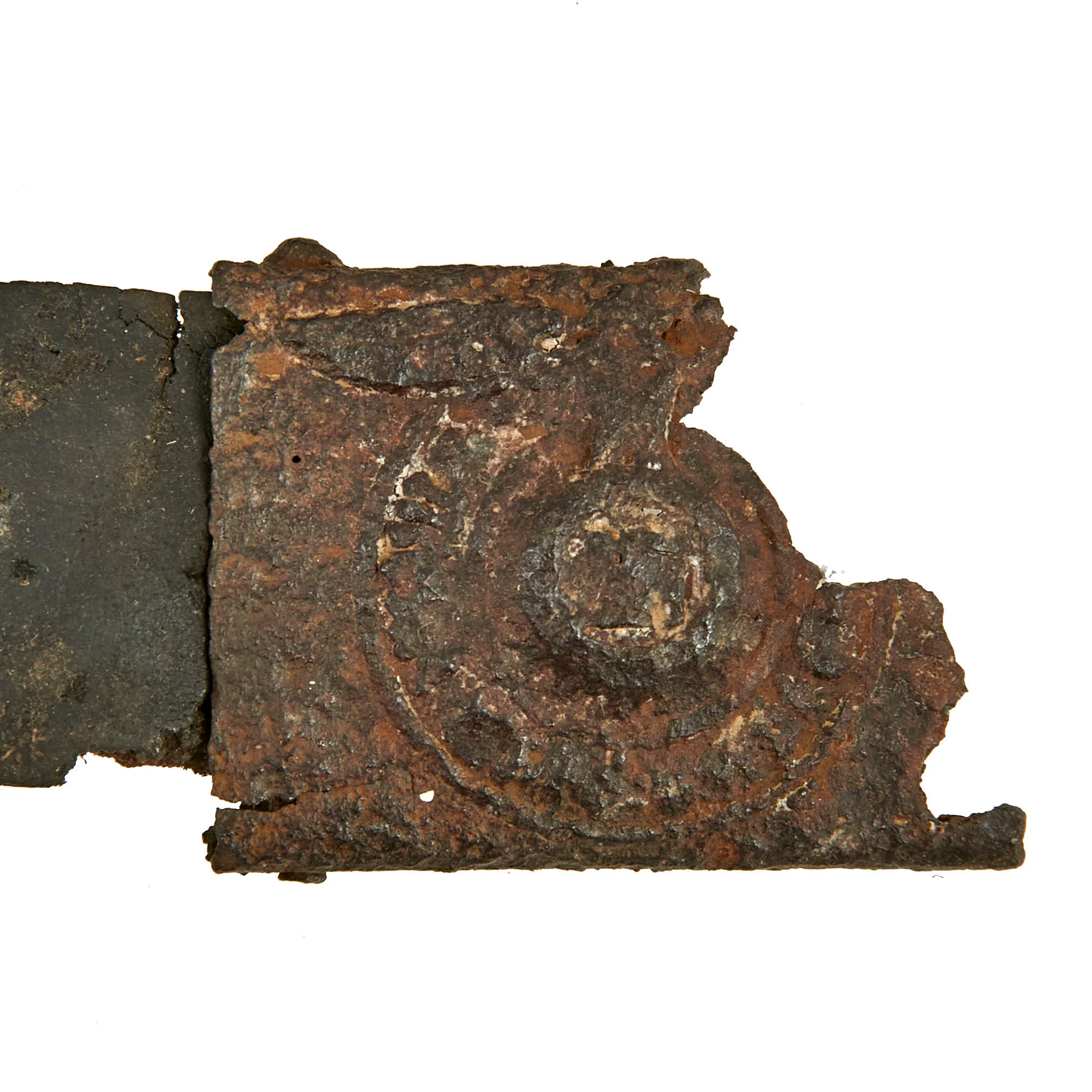
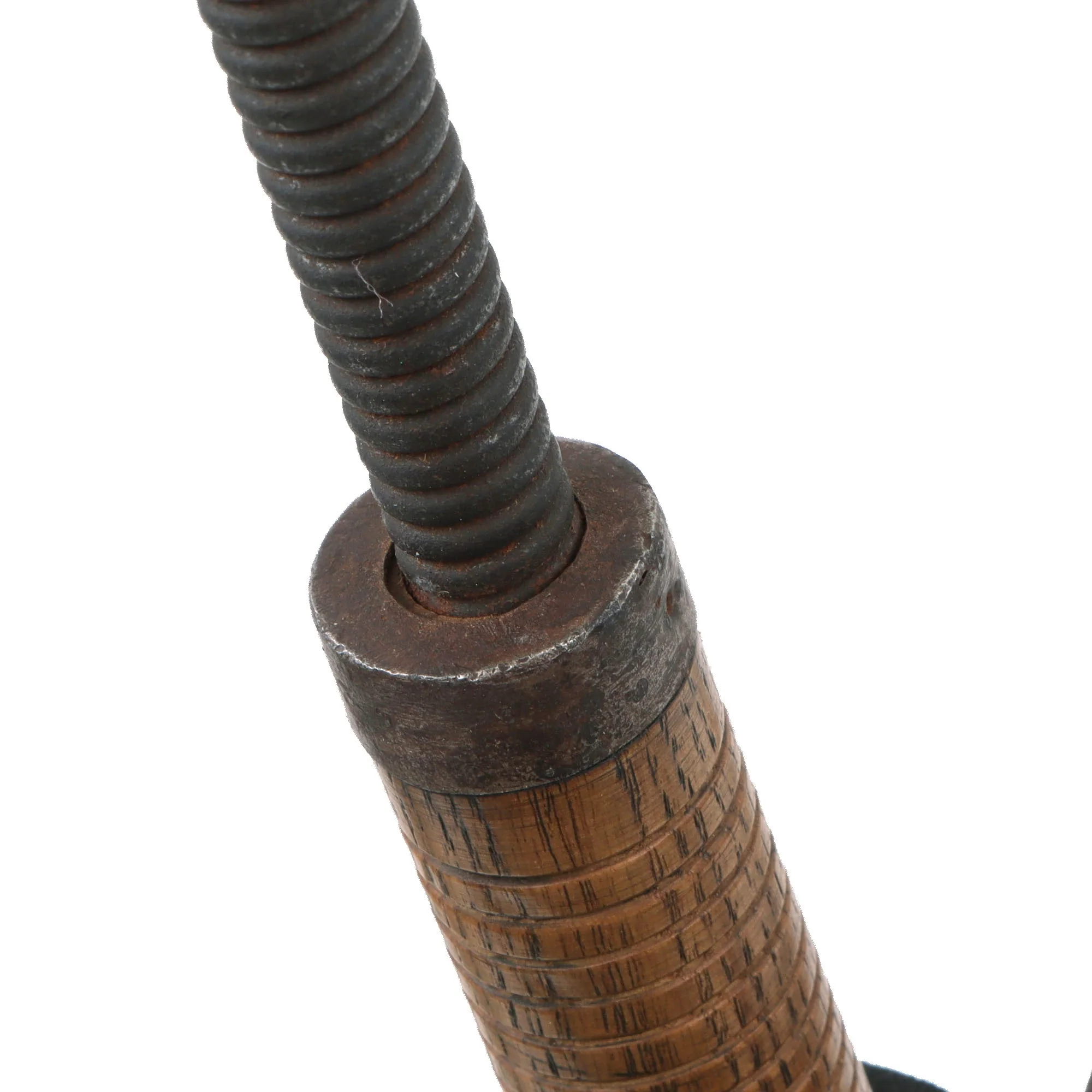
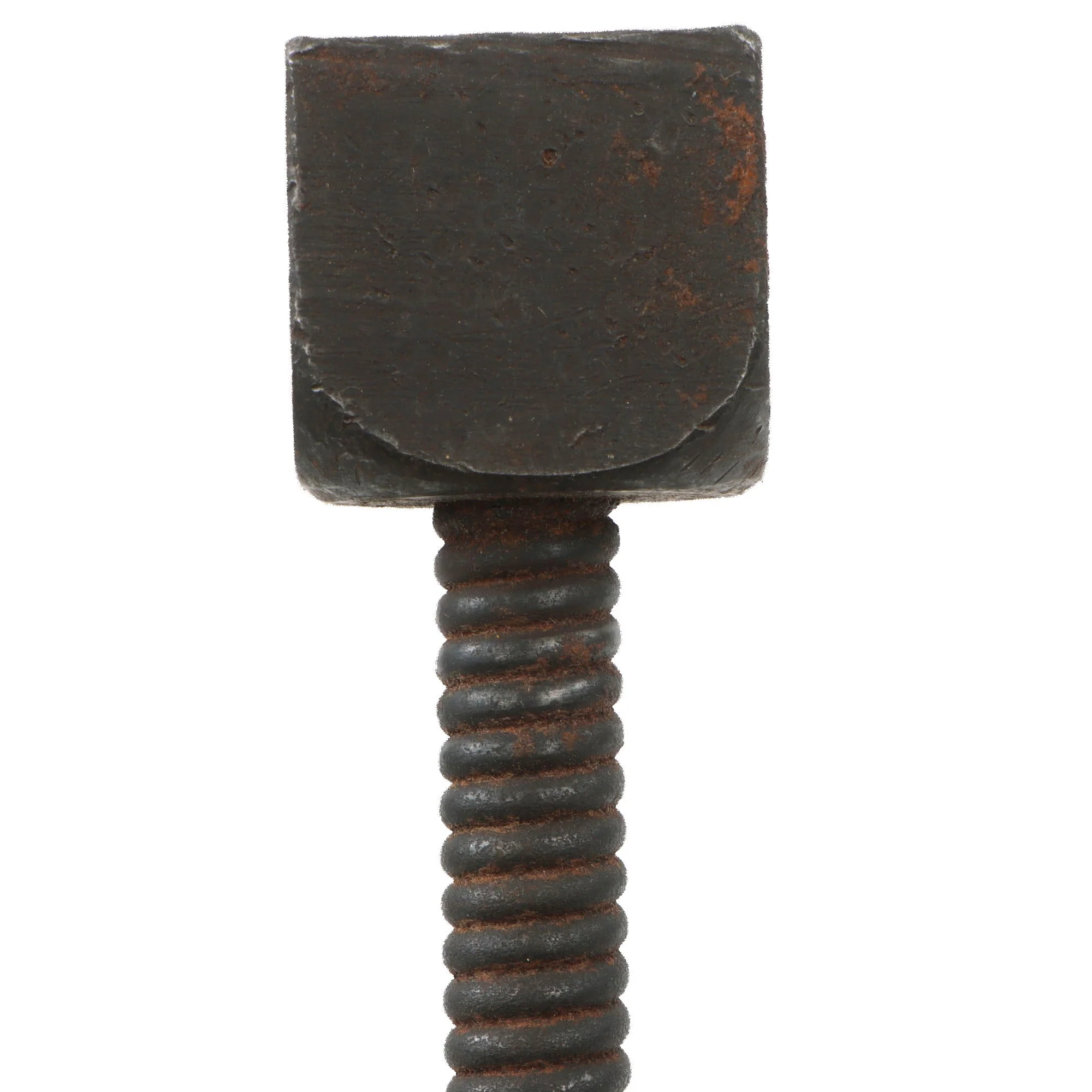
“This German mace is similar to the model discussed on the preceding page but shows some slight variations to its design. Its length approximates 438 mm and has a mass of 720 grams. The cube-shaped iron head has milled edges and was mounted to the top of the 14 mm diameter spring handle. This flexible steel spring was welded to the top center of the iron head, passes completely through its varnished wood grip and was anchored to the base of the grip using a 7.0-millimeter thick convex pommel cap. The light-colored wood grip tapers away from the steel ferrule gradually widening toward its pommel. Twenty-five regularly spaced, 0.5-millimeter deep grooves are turned about the grip's circumference. The disk-shaped steel ferrule (11 mm long) was staked to the grip's housing to reduce the chances of splitting the grip when used as a weapon. A 28.5 mm diameter steel cap covers the heel of its pommel. The leather lanyard is wrapped around and affixed to the pommel by two rivets, and has remained this way for over a century. In addition, two nails were used to anchor the lanyard into the pommel groove. The trench club has no known manufacturer's mark.”
We have offered a similar example before but this one retains its full and complete leather lanyard which is still anchored into the pommel groove with two rivets. The overall length is roughly 17 ¼”.
This is an outstanding example of a well-documented model of trench raiding mace. We haven’t had this particular model before, so don’t miss out on this one! Ready to display as the centerpiece of your collection!
Trench raiding clubs were homemade melee weapons used by both the Allies and the Central Powers during World War I. Clubs were used during nighttime trench raiding expeditions as a quiet and effective way of killing or wounding enemy soldiers. The clubs were usually made out of wood. It was common practice to fix a metal object at the striking end (e.g. an empty Mills bomb) in order to maximize the injury inflicted. Another common design comprised a simple stave with the end drilled out and a lead weight inserted, with rows of large hobnails hammered in around its circumference. Most designs had some form of cord or leather strap at the end to wrap around the user's wrist. Bosnian soldiers serving in the Austro-Hungarian army were fond of using maces. They were also used by officers to finish enemy soldiers wounded by poison gas attacks.
Trench clubs were manufactured in bulk by units based behind the lines. Typically, regimental carpenters and metal workers would make large numbers of the same design of club. They were generally used along with other "quiet" weapons such as trench knives, entrenching tools, bayonets, hatchets and pickaxe handles – backed up with revolvers and hand grenades.

Details & Craftsmanship
Every detail has been carefully considered to bring you the perfect product.

Details & Craftsmanship
Every detail has been carefully considered to bring you the perfect product.

Details & Craftsmanship
Every detail has been carefully considered to bring you the perfect product.

Details & Craftsmanship
Every detail has been carefully considered to bring you the perfect product.

Details & Craftsmanship
Every detail has been carefully considered to bring you the perfect product.

Details & Craftsmanship
Every detail has been carefully considered to bring you the perfect product.
Details & Craftsmanship
Every detail has been carefully considered to bring you the perfect product.

Details & Craftsmanship
Every detail has been carefully considered to bring you the perfect product.
Details & Craftsmanship
Every detail has been carefully considered to bring you the perfect product.

Details & Craftsmanship
Every detail has been carefully considered to bring you the perfect product.
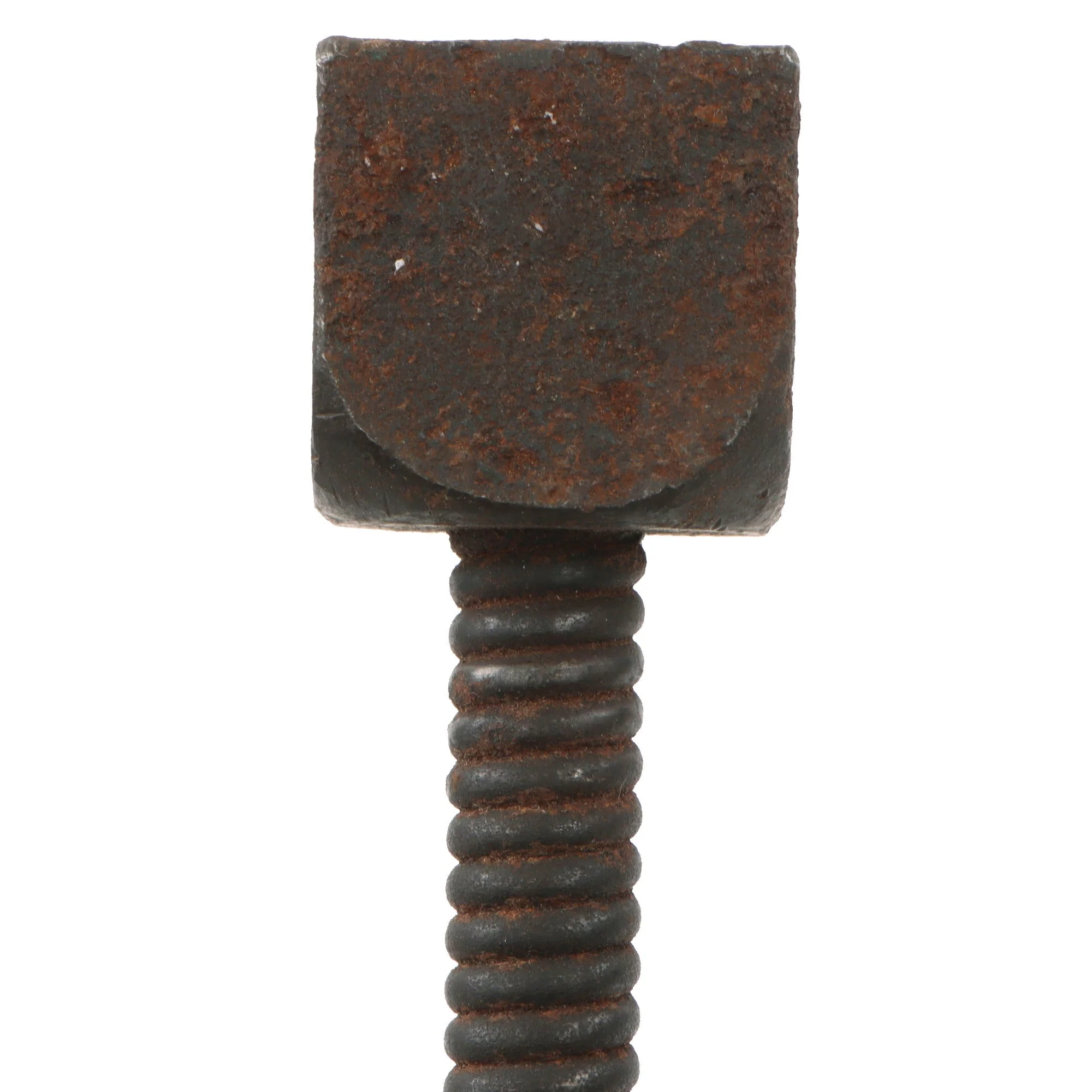
Details & Craftsmanship
Every detail has been carefully considered to bring you the perfect product.

Details & Craftsmanship
Every detail has been carefully considered to bring you the perfect product.

Details & Craftsmanship
Every detail has been carefully considered to bring you the perfect product.
Description
Original Item. One-of-a-Kind. Purchased directly from David F. Machnicki, the author of At Arm's Length Trench Clubs and Maces (Vol. II), where this very club is featured on page 34! This example is ALSO featured in At Arm's Length Trench Clubs and Knives (Vol. 1) on page 46! Please note that the attached page image from the book is copyrighted material and the use of the page is done by permission of the author. A printed copy of the page will accompany the purchase of this club. This is a very well-known model that saw heavy use by Germany during World War I. There are also period photos showing these in use.
The entry reads:
“This German mace is similar to the model discussed on the preceding page but shows some slight variations to its design. Its length approximates 438 mm and has a mass of 720 grams. The cube-shaped iron head has milled edges and was mounted to the top of the 14 mm diameter spring handle. This flexible steel spring was welded to the top center of the iron head, passes completely through its varnished wood grip and was anchored to the base of the grip using a 7.0-millimeter thick convex pommel cap. The light-colored wood grip tapers away from the steel ferrule gradually widening toward its pommel. Twenty-five regularly spaced, 0.5-millimeter deep grooves are turned about the grip's circumference. The disk-shaped steel ferrule (11 mm long) was staked to the grip's housing to reduce the chances of splitting the grip when used as a weapon. A 28.5 mm diameter steel cap covers the heel of its pommel. The leather lanyard is wrapped around and affixed to the pommel by two rivets, and has remained this way for over a century. In addition, two nails were used to anchor the lanyard into the pommel groove. The trench club has no known manufacturer's mark.”
We have offered a similar example before but this one retains its full and complete leather lanyard which is still anchored into the pommel groove with two rivets. The overall length is roughly 17 ¼”.
This is an outstanding example of a well-documented model of trench raiding mace. We haven’t had this particular model before, so don’t miss out on this one! Ready to display as the centerpiece of your collection!
Trench raiding clubs were homemade melee weapons used by both the Allies and the Central Powers during World War I. Clubs were used during nighttime trench raiding expeditions as a quiet and effective way of killing or wounding enemy soldiers. The clubs were usually made out of wood. It was common practice to fix a metal object at the striking end (e.g. an empty Mills bomb) in order to maximize the injury inflicted. Another common design comprised a simple stave with the end drilled out and a lead weight inserted, with rows of large hobnails hammered in around its circumference. Most designs had some form of cord or leather strap at the end to wrap around the user's wrist. Bosnian soldiers serving in the Austro-Hungarian army were fond of using maces. They were also used by officers to finish enemy soldiers wounded by poison gas attacks.
Trench clubs were manufactured in bulk by units based behind the lines. Typically, regimental carpenters and metal workers would make large numbers of the same design of club. They were generally used along with other "quiet" weapons such as trench knives, entrenching tools, bayonets, hatchets and pickaxe handles – backed up with revolvers and hand grenades.