
Original: $295.00
-70%$295.00
$88.50The Story
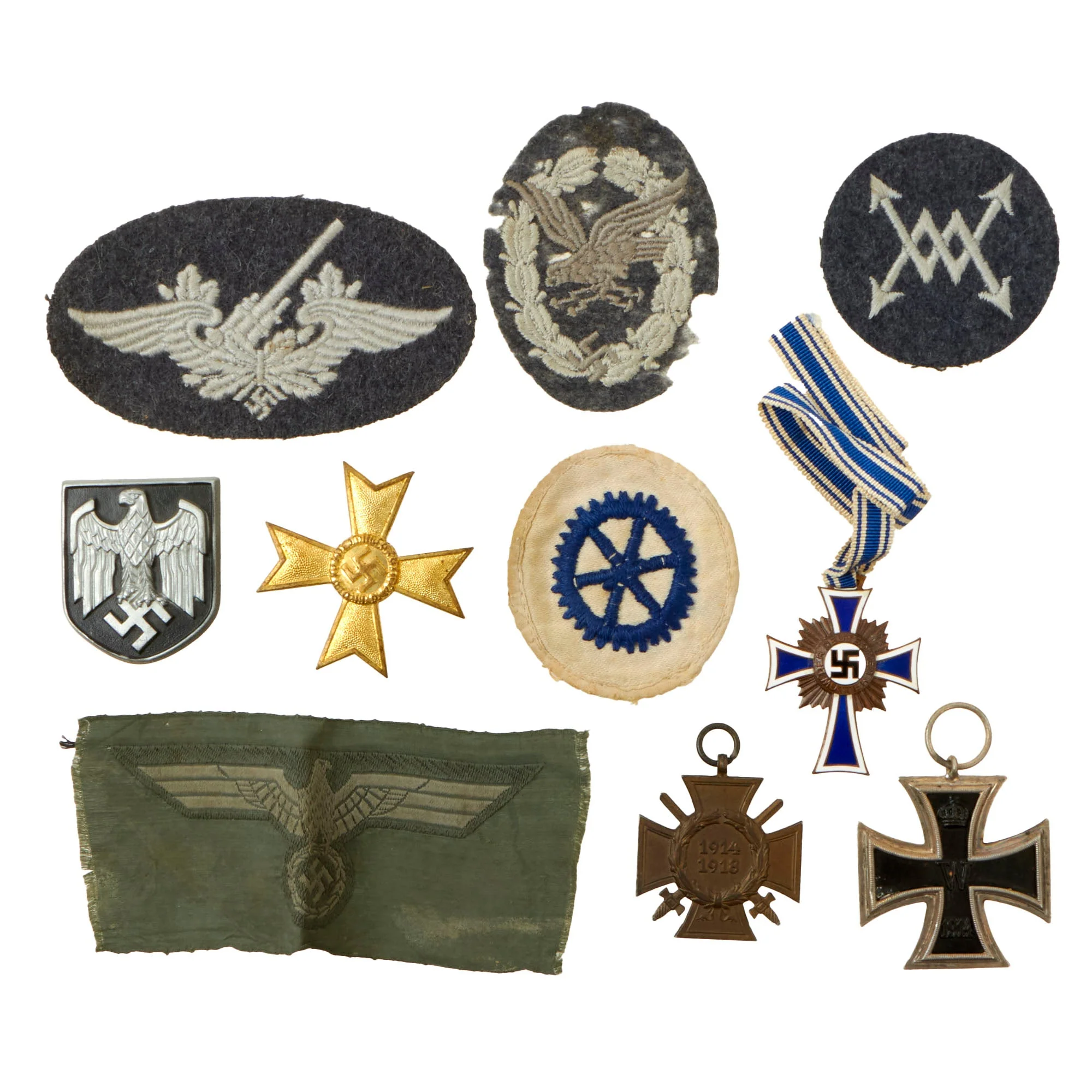
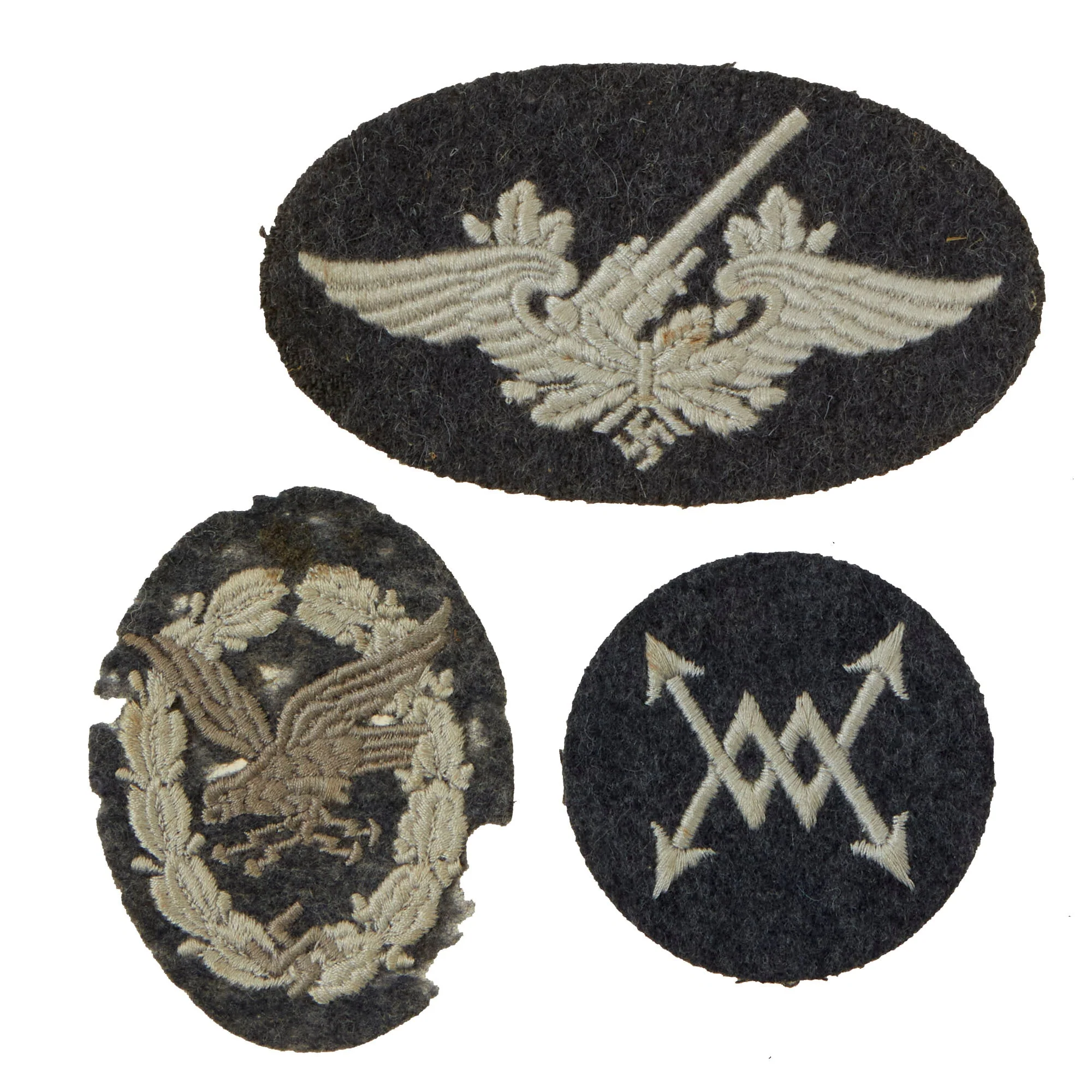
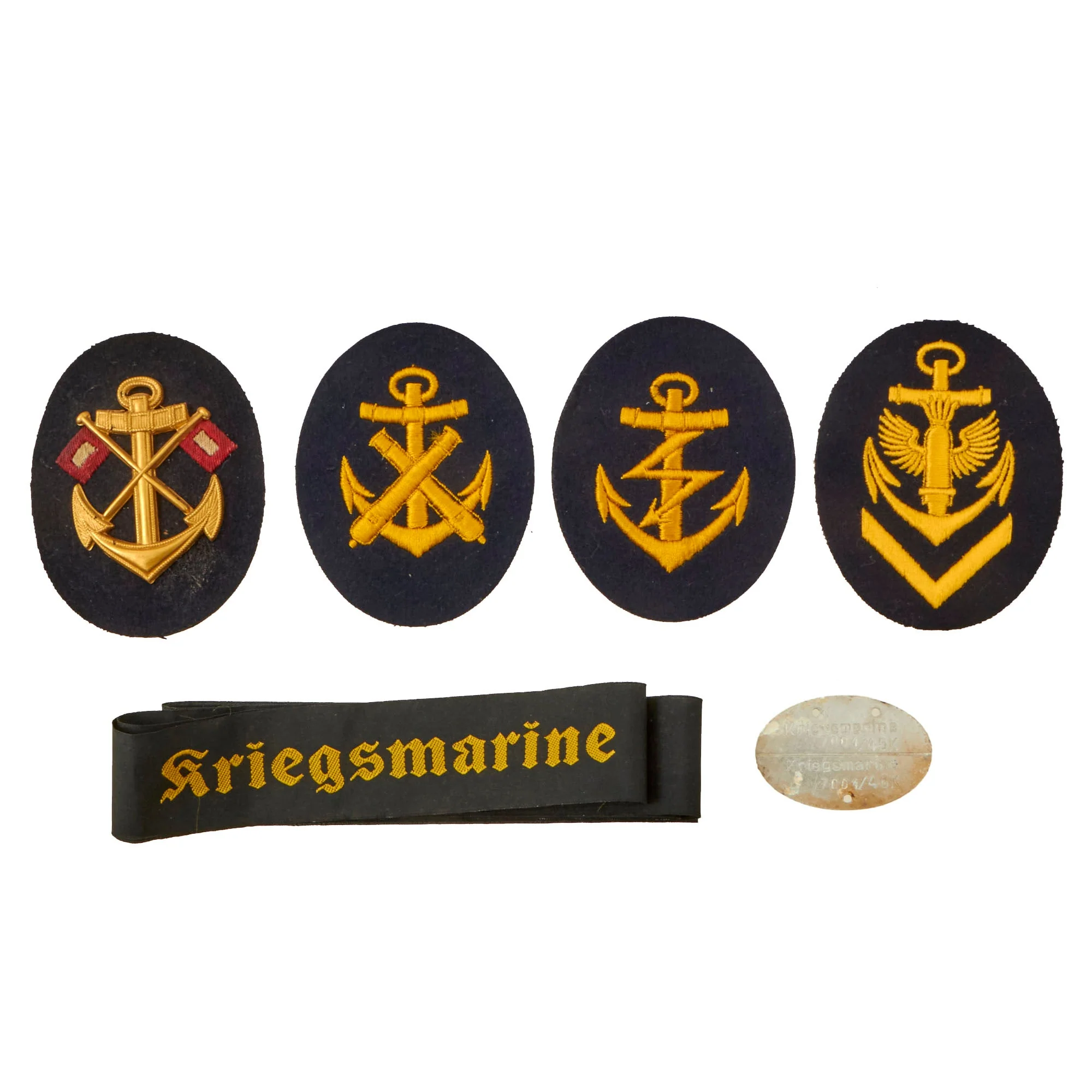
Original Items: Only One Set Available. This is a very nice collection of German WWI & WWII Awards and other items, which was brought back from the European theater by a USGI after the war was concluded. Many solders traded these on the way back, and would end up with a pocket full of various different collectible items, and this set represents the typical "haul" one might have come back with. It includes a Silesian Eagle 2nd Class, WWII Silver wound badge, and various other insignia and items.
This lovely set includes:
- Original German Weimar Republic Pre-WWII Silesian Uprisings Freikorps Oberland Silesian Eagle 2nd Class Medal. This has a ribbon attached to it, but it is not the correct color, and there is also an Eastern People's Medal stick pin in the ribbon, which had the end bent over so it cannot be easily removed.
- One Silver Wound Badge by Klein & Quenzer A.G of Idar-Oberstein: The badge is constructed out of a die struck, zinc-alloy base that has been silver washed. The oval badge depicts an embossed profile of a mobile swas, above an M35 pattern helmet, which is above two crossed broadswords. This then lies on a pebbled field and is surrounded by a laurel leaf and berry wreath which is tied together at the bottom with a bow tie. The reverse features a solid back and is maker marked with Präsidialkanzlei des Führers Lieferant (Presidential Chancellery Supplier) 65 (Klein & Quenzer A.G of Idar-Oberstein) under the pin catch. The steel pin, cast hinge and cast catch are all intact and in well-working condition. The silver wash on this example, as with most we see, is only retained at about 25% overall, with the rest showing a gray oxidized patina. The badge measures 1.75 inches high by 1.5 inches wide.
- One German WWII National Sozialistische Deutscher Studentenbund (National Socialist German Students’-league - NSDStB) Membership Pin, RZM marked on the back.
- One German WWII Driver Proficiency Badge (Kraftfahrbewährungsabzeichen).
- One German WWII Heer Army 1935 Pattern Embroidered EM/NCO Breast Eagle. It is the correct silver on a dark bottle green background, and does not look to have ever been installed on a uniform.
- One German WWII Heer Army 1939 Pattern BeVO Embroidered field cap eagle. It is the correct light gray embroidery on a dark bottle green background, and has not been installed on a cap.
- One German WWII Heer Army Late War Pattern BeVO Embroidered combined cap eagle and cockade, with the correct multi-colored embroidery on a light green background. Unissued with some fraying at the ends.
- One NSDAP Leader's Visor Cap Cockade, RZM marked on the back.
- FOUR NSDAP Leaders Silver Uniform Button, all marked with the "barred A" trademark logo of F. W. Assmann & Söhne of Lüdenscheid. We have heard these were for overseas service, as the buttons we usually see are gold. One button is bent with a split ring attached to the back.
- One Miniature Heer Army Visor Cap Wreathed Cockade.
- One Replica NSDAP Ethnic Germans in Hungary Membership Badge Pin with Green Enamel. We have been told that the examples marked REDO with green enamel are most likely post war reproductions.
The included 4 award medal ribbon bar represents the WWI Prussian War Effort Cross, The DRK Red Cross Medal for Social Welfare, and the Long Civil Service Award 2nd Class - 25 years.
A wonderful totally genuine grouping perfect for the German Medal and Insignia collector. Ready to research and display!
The Wound Badge (Verwundetenabzeichen) was a German military decoration first promulgated by Wilhelm II, German Emperor on 3 March 1918, which was first awarded to soldiers of the German Army who were wounded during World War I. Between the world wars, it was awarded to members of the German armed forces who fought on the Nationalist side of the Spanish Civil War, 1938–39, and received combat related wounds. It was awarded to members in the Reichswehr, the Wehrmacht, SS and the auxiliary service organizations during World War II. After March 1943, due to the increasing number of Allied bombings, it was also awarded to civilians wounded in air raids. It was awarded when the wound was the result of enemy hostile action.
Badges were made of pressed steel, brass and zinc. All versions of the Wound Badge were worn on the lower left breast of the uniform or tunic. The badge was worn below all other awards on the left. It ranked lower than combat badges. There were 24 approved manufacturers of the Wound Badge. At first, the Wound Badge in Black was stamped from sheet brass, painted semi-matte black with a hollow reverse pin back attachment or of solid construction. From 1942, steel was used to make the badges. The Wound Badge in silver was made (before 1942) from silver-plated brass, and (after 1942) from lacquered zinc, and had a solid reverse with either a needle pin or a broad flat pin bar. The Wound Badge in Gold was a gilded version of the Wound Badge in Silver. In 1957, a revised version of the Wound Badge was authorized for wear; however, the previous type could still be worn if the swas were removed (for example by grinding).
The Wound Badge Awards came in three different types of grades representing the amount , or severity, of wounds received. The first grade, the Black Wound Badge was awarded for 1 to 2 wounds received in combat. The Silver Grade was awarded for 3 to 4 wounds, and finally the Gold Grade for 5 or more wounds, total disability, or death.

Details & Craftsmanship
Every detail has been carefully considered to bring you the perfect product.

Details & Craftsmanship
Every detail has been carefully considered to bring you the perfect product.

Details & Craftsmanship
Every detail has been carefully considered to bring you the perfect product.

Details & Craftsmanship
Every detail has been carefully considered to bring you the perfect product.

Details & Craftsmanship
Every detail has been carefully considered to bring you the perfect product.

Details & Craftsmanship
Every detail has been carefully considered to bring you the perfect product.

Details & Craftsmanship
Every detail has been carefully considered to bring you the perfect product.

Details & Craftsmanship
Every detail has been carefully considered to bring you the perfect product.

Details & Craftsmanship
Every detail has been carefully considered to bring you the perfect product.

Details & Craftsmanship
Every detail has been carefully considered to bring you the perfect product.

Details & Craftsmanship
Every detail has been carefully considered to bring you the perfect product.

Details & Craftsmanship
Every detail has been carefully considered to bring you the perfect product.
Description
Original Items: Only One Set Available. This is a very nice collection of German WWI & WWII Awards and other items, which was brought back from the European theater by a USGI after the war was concluded. Many solders traded these on the way back, and would end up with a pocket full of various different collectible items, and this set represents the typical "haul" one might have come back with. It includes a Silesian Eagle 2nd Class, WWII Silver wound badge, and various other insignia and items.
This lovely set includes:
- Original German Weimar Republic Pre-WWII Silesian Uprisings Freikorps Oberland Silesian Eagle 2nd Class Medal. This has a ribbon attached to it, but it is not the correct color, and there is also an Eastern People's Medal stick pin in the ribbon, which had the end bent over so it cannot be easily removed.
- One Silver Wound Badge by Klein & Quenzer A.G of Idar-Oberstein: The badge is constructed out of a die struck, zinc-alloy base that has been silver washed. The oval badge depicts an embossed profile of a mobile swas, above an M35 pattern helmet, which is above two crossed broadswords. This then lies on a pebbled field and is surrounded by a laurel leaf and berry wreath which is tied together at the bottom with a bow tie. The reverse features a solid back and is maker marked with Präsidialkanzlei des Führers Lieferant (Presidential Chancellery Supplier) 65 (Klein & Quenzer A.G of Idar-Oberstein) under the pin catch. The steel pin, cast hinge and cast catch are all intact and in well-working condition. The silver wash on this example, as with most we see, is only retained at about 25% overall, with the rest showing a gray oxidized patina. The badge measures 1.75 inches high by 1.5 inches wide.
- One German WWII National Sozialistische Deutscher Studentenbund (National Socialist German Students’-league - NSDStB) Membership Pin, RZM marked on the back.
- One German WWII Driver Proficiency Badge (Kraftfahrbewährungsabzeichen).
- One German WWII Heer Army 1935 Pattern Embroidered EM/NCO Breast Eagle. It is the correct silver on a dark bottle green background, and does not look to have ever been installed on a uniform.
- One German WWII Heer Army 1939 Pattern BeVO Embroidered field cap eagle. It is the correct light gray embroidery on a dark bottle green background, and has not been installed on a cap.
- One German WWII Heer Army Late War Pattern BeVO Embroidered combined cap eagle and cockade, with the correct multi-colored embroidery on a light green background. Unissued with some fraying at the ends.
- One NSDAP Leader's Visor Cap Cockade, RZM marked on the back.
- FOUR NSDAP Leaders Silver Uniform Button, all marked with the "barred A" trademark logo of F. W. Assmann & Söhne of Lüdenscheid. We have heard these were for overseas service, as the buttons we usually see are gold. One button is bent with a split ring attached to the back.
- One Miniature Heer Army Visor Cap Wreathed Cockade.
- One Replica NSDAP Ethnic Germans in Hungary Membership Badge Pin with Green Enamel. We have been told that the examples marked REDO with green enamel are most likely post war reproductions.
The included 4 award medal ribbon bar represents the WWI Prussian War Effort Cross, The DRK Red Cross Medal for Social Welfare, and the Long Civil Service Award 2nd Class - 25 years.
A wonderful totally genuine grouping perfect for the German Medal and Insignia collector. Ready to research and display!
The Wound Badge (Verwundetenabzeichen) was a German military decoration first promulgated by Wilhelm II, German Emperor on 3 March 1918, which was first awarded to soldiers of the German Army who were wounded during World War I. Between the world wars, it was awarded to members of the German armed forces who fought on the Nationalist side of the Spanish Civil War, 1938–39, and received combat related wounds. It was awarded to members in the Reichswehr, the Wehrmacht, SS and the auxiliary service organizations during World War II. After March 1943, due to the increasing number of Allied bombings, it was also awarded to civilians wounded in air raids. It was awarded when the wound was the result of enemy hostile action.
Badges were made of pressed steel, brass and zinc. All versions of the Wound Badge were worn on the lower left breast of the uniform or tunic. The badge was worn below all other awards on the left. It ranked lower than combat badges. There were 24 approved manufacturers of the Wound Badge. At first, the Wound Badge in Black was stamped from sheet brass, painted semi-matte black with a hollow reverse pin back attachment or of solid construction. From 1942, steel was used to make the badges. The Wound Badge in silver was made (before 1942) from silver-plated brass, and (after 1942) from lacquered zinc, and had a solid reverse with either a needle pin or a broad flat pin bar. The Wound Badge in Gold was a gilded version of the Wound Badge in Silver. In 1957, a revised version of the Wound Badge was authorized for wear; however, the previous type could still be worn if the swas were removed (for example by grinding).
The Wound Badge Awards came in three different types of grades representing the amount , or severity, of wounds received. The first grade, the Black Wound Badge was awarded for 1 to 2 wounds received in combat. The Silver Grade was awarded for 3 to 4 wounds, and finally the Gold Grade for 5 or more wounds, total disability, or death.