
Original: $125.00
-70%$125.00
$37.50The Story
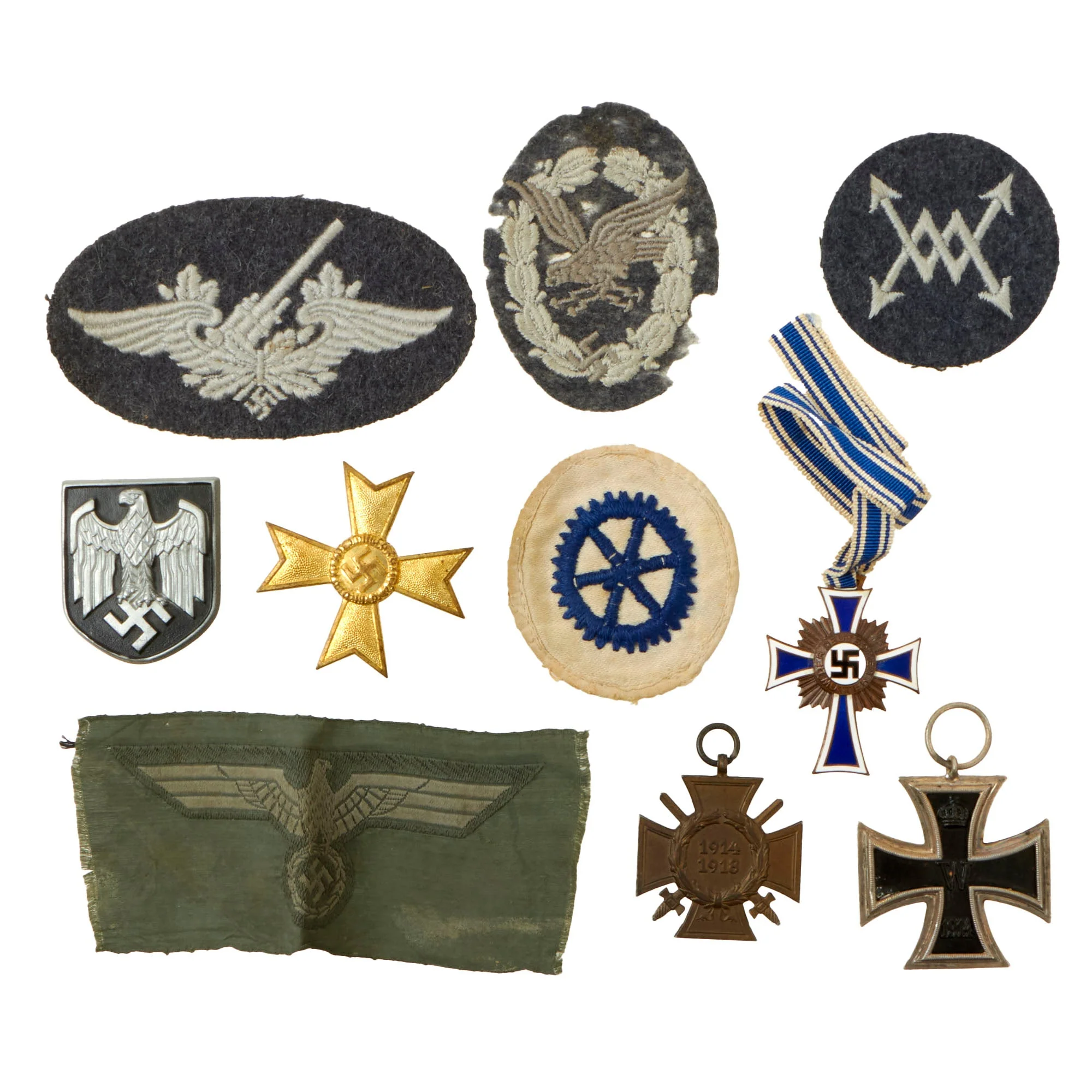
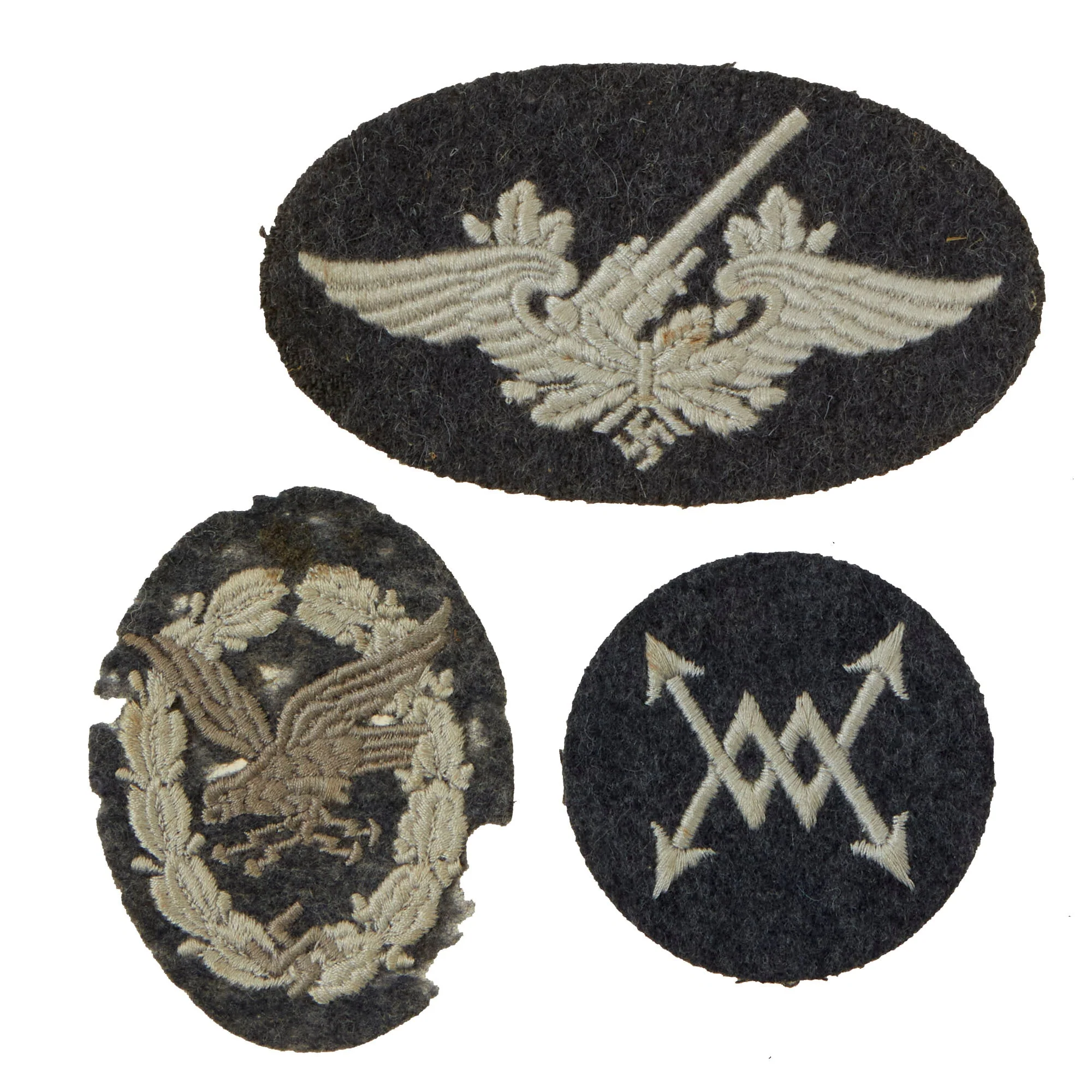
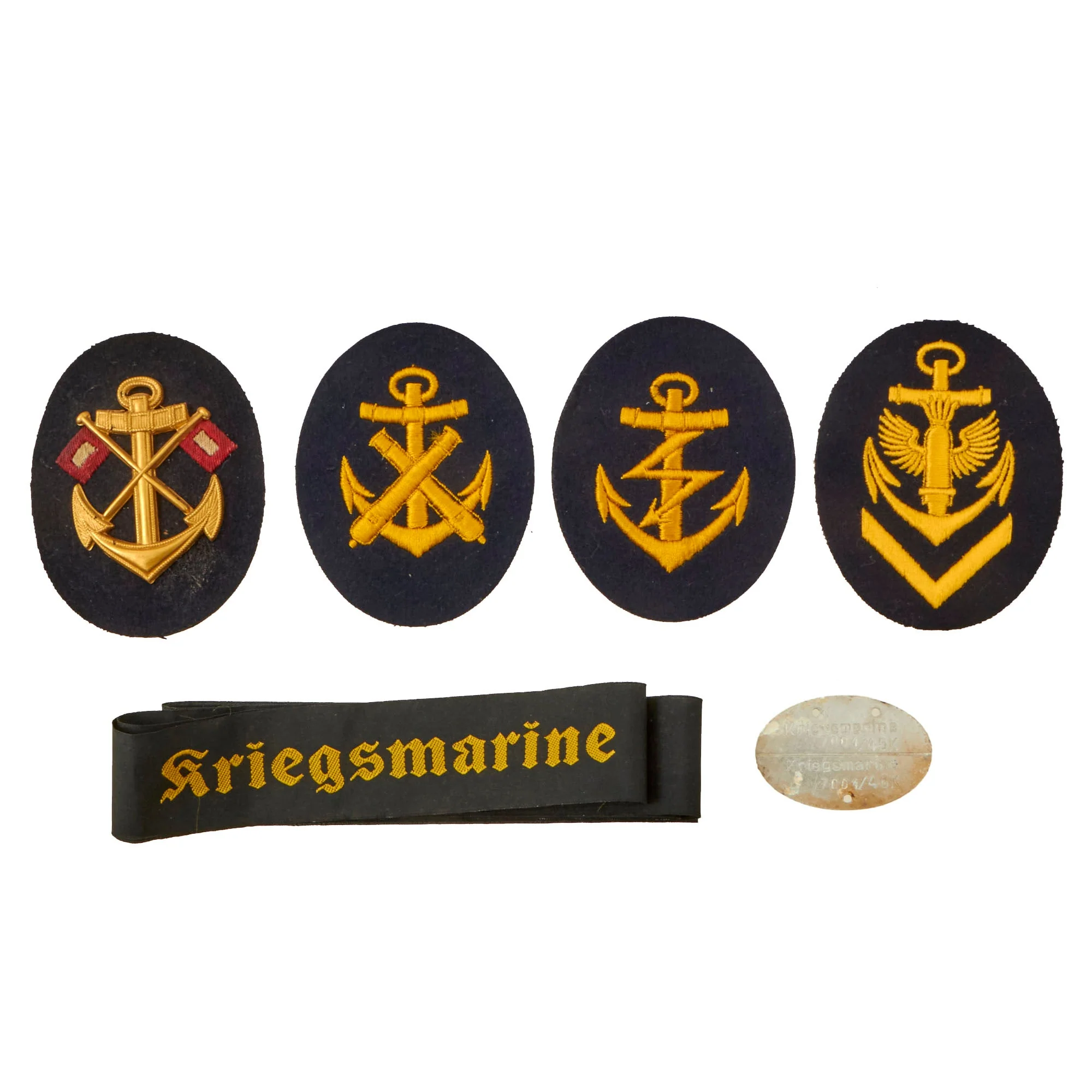
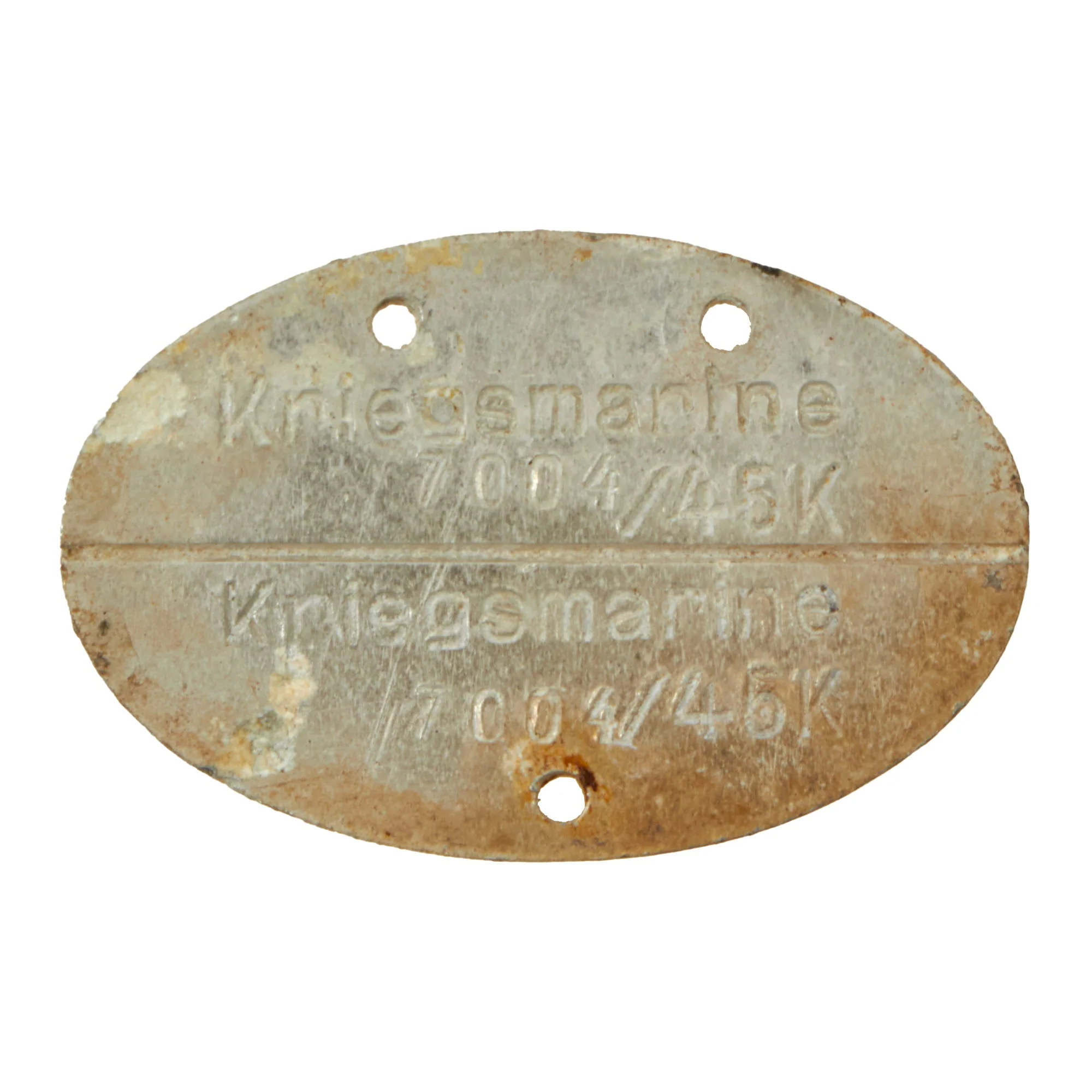
Original Items: Only One Set Available. This is a very nice collection of German WWI & WWII Awards and Tinnies with a Belt buckle, which was brought back from the European theater by a USGI after the war was concluded. Many solders traded these on the way back, and would end up with a pocket full of various different collectible items, and this set represents the typical "haul" one might have come back with. It includes a good variety of medals and tinnies, including a 1939 EKII, a desirable Panzer Officer Bullion Breast eagle, and more!
This lovely set includes:
- One Imperial German WWI 3rd Class Black Wound Badge. Made from relatively heavy stamped steel with a functional pinback, the black finish is well retained. It shows the correct WWI M16 Stahlhelm helmet on the front.
- One Pre-WWII German WWI Honor Cross of the World War 1914/1918 (Hindenburg Cross) Medal with Swords (for Combat). This example is in very good condition, though the ribbon is missing.
- One German WWII War Merit Cross 2nd Class with Ribbon and Ribbon Bar Pin. In really good cosmetic shape, showing no damage The medal has a lovely oxidized patina, and the ribbon is in great shape, as is the ribbon bar pin, which is pinned to the ribbon.
- One German WWII Western Wall / Siegfried Line Metal with Ribbon. The award has a lovely patina on the brass medal, and the ribbon has a great lightly stained look. Definitely looks to have seen a good amount of service.
- One German WWII Kriegsmarine Küstenartillerie (Coastal Artillery) EM/NCO Steel Belt Buckle. This shows significant wear to the finish from service, however the dark navy blue finish is still well retained on the interior, which indicates use by the Coastal Artillery. The exterior has been overpainted with green, so it may have also seen Heer Army service during the war.
- One German Pre WWII WHW FASNET 1939 tinnie. Fasnet is a pre-Lenten carnival every year, and these would be given out for donations to the WHW.
- One German Pre WWII KREIS-PARTEI-TAG KOLBERT 17.2.35. tinnie. These were given out for the regional NSDAP party congress / rally in 1935.
- One German Pre WWII Tinnie from Langensalza. It looks to be for some type of organization event during 1936.
- One German Pre WWII 12. 11. 1933 Pro NSDAP "JA" Election Badge. These were given out to motivate people to vote in the Annual November Parliamentary elections, though by this point all parties but the NSDAP had been banned.
- One blue ribbon with white stripes, which seems to either be from a Romanian, Finnish, or Italian WWII period medal.
- One German WWII Small Edelweiß pin with embroidered "petals".
- One German WWII Small plastic insignia, which looks to be like a rubber stamp, however it is not reversed.
- A Small pin showing two fish in a circle around the letter H.
A wonderful totally genuine grouping perfect for the German Medal and Insignia collector. Ready to research and display!
"Tinnies" (Veranstaltungsabzeichen - Event Badges) are small commemorative pins or medals, acquired when one attended a specific event held in Germany. They were often made of thin stamped metal, bakelite, or even pressed paper. Many of these were given out as part of the WHW (Winterhilfswerk - Winter Help Work) Organization, which often involved Germans traveling quite a bit to help out the war effort. Many others were given for the annual Reichsparteitag (Reich Party Congress), otherwise known as the Nuremberg Rallies.
Hindenburg Cross with Crossed Swords (for combat):
The Honor Cross of the World War 1914/1918 (German: Das Ehrenkreuz des Weltkriegs 1914/1918), commonly, but incorrectly, known as the Hindenburg Cross was established by Field Marshal Paul von Hindenburg, President of the German Republic, by an order dated 13 July 1934, to commemorate the distinguished deeds of the German people during the First World War. This was Germany's first official service medal for soldiers of Imperial Germany who had taken part in the war, and where they had since died it was also awarded to their surviving next-of-kin. Shortly after its issuance, the government of NSDAP Germany declared the award as the only official service decoration of the First World War and further forbid the continued wearing of German Free Corps awards on any military or paramilitary uniform of a state or NSDAP Party organization.
War Merit Cross (Kriegsverdienstkreuz) with Swords (for Combat)
This was a decoration of NSDAP Germany during the Second World War, which could be awarded to military personnel and civilians alike. By the end of the war it was issued in four degrees, and had a related civil decoration. It was created by Adolf AH in October 1939 as a successor to the non-combatant Iron Cross which was used in earlier wars. The award was graded the same as the Iron Cross: War Merit Cross Second Class, War Merit Cross First Class, and Knights Cross of the War Merit Cross. The award had two variants: with swords given to soldiers for exceptional service "not in direct connection with combat", and without swords for meritorious service to civilians in "furtherance of the war effort". As with the Iron Cross, Recipients had to have the lower grade of the award before getting the next level.
The West Wall Medal (Deutsches Schutzwall-Ehrenzeichen) was a decoration of NSDAP Germany. It was instituted on 2 August 1939 and was given to those who designed and built the fortifications on Germany's western borders, known as the Westwall or, in English, the Siegfried Line, between 15 June 1938 to 31 March 1939. On 13 November 1939 eligibility was extended to include servicemen of the Wehrmacht who served on the Westwall for at least ten weeks. In all 622,064 medals were awarded until 31 January 1941, when awards of the medal ceased. This early version was made of solid bronze. The back has the statement FÜR ARBEIT ZUM SCHUTZE DEUTSCHLANDS - "For Work to Protect Germany."

Details & Craftsmanship
Every detail has been carefully considered to bring you the perfect product.

Details & Craftsmanship
Every detail has been carefully considered to bring you the perfect product.

Details & Craftsmanship
Every detail has been carefully considered to bring you the perfect product.

Details & Craftsmanship
Every detail has been carefully considered to bring you the perfect product.

Details & Craftsmanship
Every detail has been carefully considered to bring you the perfect product.

Details & Craftsmanship
Every detail has been carefully considered to bring you the perfect product.

Details & Craftsmanship
Every detail has been carefully considered to bring you the perfect product.

Details & Craftsmanship
Every detail has been carefully considered to bring you the perfect product.
Description
Original Items: Only One Set Available. This is a very nice collection of German WWI & WWII Awards and Tinnies with a Belt buckle, which was brought back from the European theater by a USGI after the war was concluded. Many solders traded these on the way back, and would end up with a pocket full of various different collectible items, and this set represents the typical "haul" one might have come back with. It includes a good variety of medals and tinnies, including a 1939 EKII, a desirable Panzer Officer Bullion Breast eagle, and more!
This lovely set includes:
- One Imperial German WWI 3rd Class Black Wound Badge. Made from relatively heavy stamped steel with a functional pinback, the black finish is well retained. It shows the correct WWI M16 Stahlhelm helmet on the front.
- One Pre-WWII German WWI Honor Cross of the World War 1914/1918 (Hindenburg Cross) Medal with Swords (for Combat). This example is in very good condition, though the ribbon is missing.
- One German WWII War Merit Cross 2nd Class with Ribbon and Ribbon Bar Pin. In really good cosmetic shape, showing no damage The medal has a lovely oxidized patina, and the ribbon is in great shape, as is the ribbon bar pin, which is pinned to the ribbon.
- One German WWII Western Wall / Siegfried Line Metal with Ribbon. The award has a lovely patina on the brass medal, and the ribbon has a great lightly stained look. Definitely looks to have seen a good amount of service.
- One German WWII Kriegsmarine Küstenartillerie (Coastal Artillery) EM/NCO Steel Belt Buckle. This shows significant wear to the finish from service, however the dark navy blue finish is still well retained on the interior, which indicates use by the Coastal Artillery. The exterior has been overpainted with green, so it may have also seen Heer Army service during the war.
- One German Pre WWII WHW FASNET 1939 tinnie. Fasnet is a pre-Lenten carnival every year, and these would be given out for donations to the WHW.
- One German Pre WWII KREIS-PARTEI-TAG KOLBERT 17.2.35. tinnie. These were given out for the regional NSDAP party congress / rally in 1935.
- One German Pre WWII Tinnie from Langensalza. It looks to be for some type of organization event during 1936.
- One German Pre WWII 12. 11. 1933 Pro NSDAP "JA" Election Badge. These were given out to motivate people to vote in the Annual November Parliamentary elections, though by this point all parties but the NSDAP had been banned.
- One blue ribbon with white stripes, which seems to either be from a Romanian, Finnish, or Italian WWII period medal.
- One German WWII Small Edelweiß pin with embroidered "petals".
- One German WWII Small plastic insignia, which looks to be like a rubber stamp, however it is not reversed.
- A Small pin showing two fish in a circle around the letter H.
A wonderful totally genuine grouping perfect for the German Medal and Insignia collector. Ready to research and display!
"Tinnies" (Veranstaltungsabzeichen - Event Badges) are small commemorative pins or medals, acquired when one attended a specific event held in Germany. They were often made of thin stamped metal, bakelite, or even pressed paper. Many of these were given out as part of the WHW (Winterhilfswerk - Winter Help Work) Organization, which often involved Germans traveling quite a bit to help out the war effort. Many others were given for the annual Reichsparteitag (Reich Party Congress), otherwise known as the Nuremberg Rallies.
Hindenburg Cross with Crossed Swords (for combat):
The Honor Cross of the World War 1914/1918 (German: Das Ehrenkreuz des Weltkriegs 1914/1918), commonly, but incorrectly, known as the Hindenburg Cross was established by Field Marshal Paul von Hindenburg, President of the German Republic, by an order dated 13 July 1934, to commemorate the distinguished deeds of the German people during the First World War. This was Germany's first official service medal for soldiers of Imperial Germany who had taken part in the war, and where they had since died it was also awarded to their surviving next-of-kin. Shortly after its issuance, the government of NSDAP Germany declared the award as the only official service decoration of the First World War and further forbid the continued wearing of German Free Corps awards on any military or paramilitary uniform of a state or NSDAP Party organization.
War Merit Cross (Kriegsverdienstkreuz) with Swords (for Combat)
This was a decoration of NSDAP Germany during the Second World War, which could be awarded to military personnel and civilians alike. By the end of the war it was issued in four degrees, and had a related civil decoration. It was created by Adolf AH in October 1939 as a successor to the non-combatant Iron Cross which was used in earlier wars. The award was graded the same as the Iron Cross: War Merit Cross Second Class, War Merit Cross First Class, and Knights Cross of the War Merit Cross. The award had two variants: with swords given to soldiers for exceptional service "not in direct connection with combat", and without swords for meritorious service to civilians in "furtherance of the war effort". As with the Iron Cross, Recipients had to have the lower grade of the award before getting the next level.
The West Wall Medal (Deutsches Schutzwall-Ehrenzeichen) was a decoration of NSDAP Germany. It was instituted on 2 August 1939 and was given to those who designed and built the fortifications on Germany's western borders, known as the Westwall or, in English, the Siegfried Line, between 15 June 1938 to 31 March 1939. On 13 November 1939 eligibility was extended to include servicemen of the Wehrmacht who served on the Westwall for at least ten weeks. In all 622,064 medals were awarded until 31 January 1941, when awards of the medal ceased. This early version was made of solid bronze. The back has the statement FÜR ARBEIT ZUM SCHUTZE DEUTSCHLANDS - "For Work to Protect Germany."