
The Story
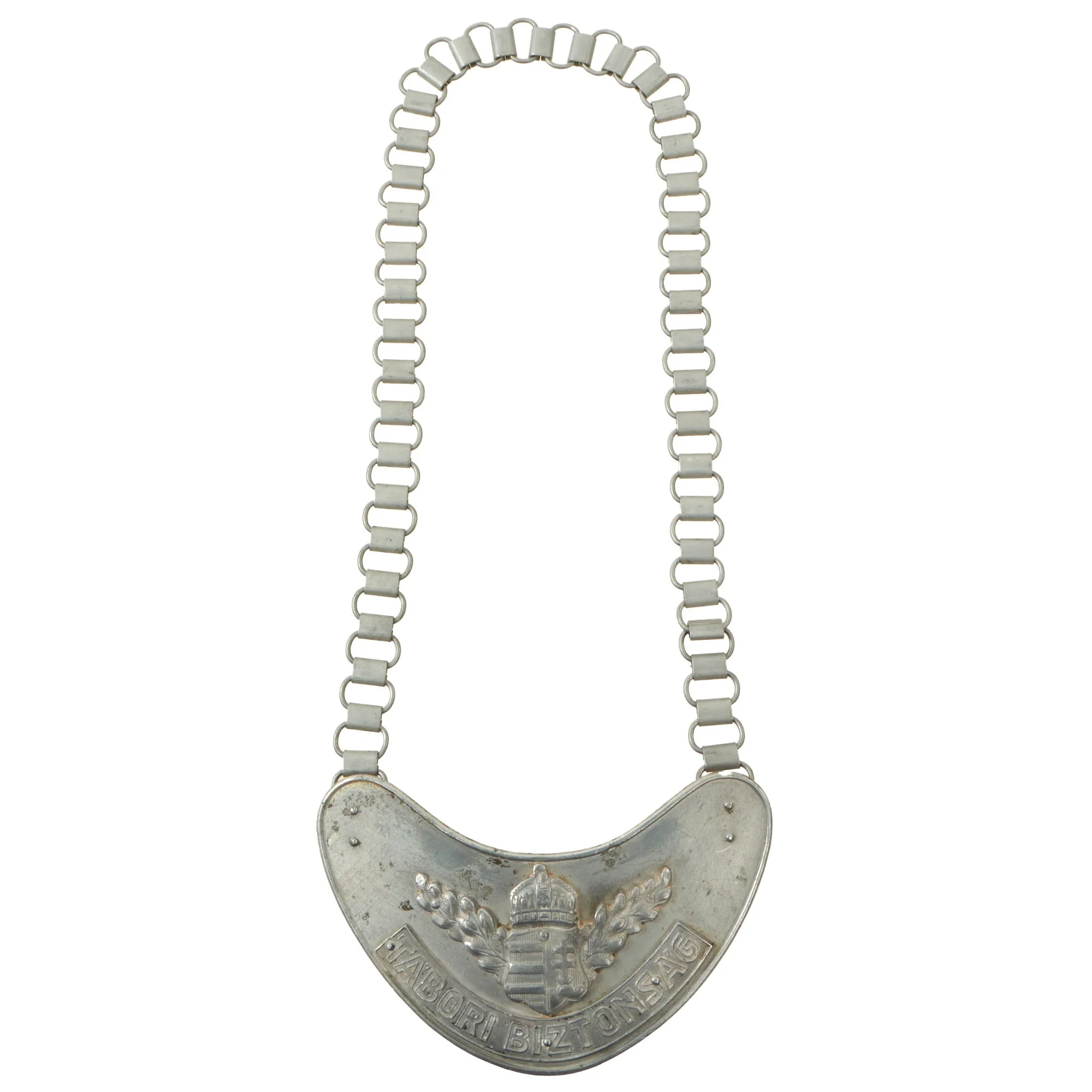
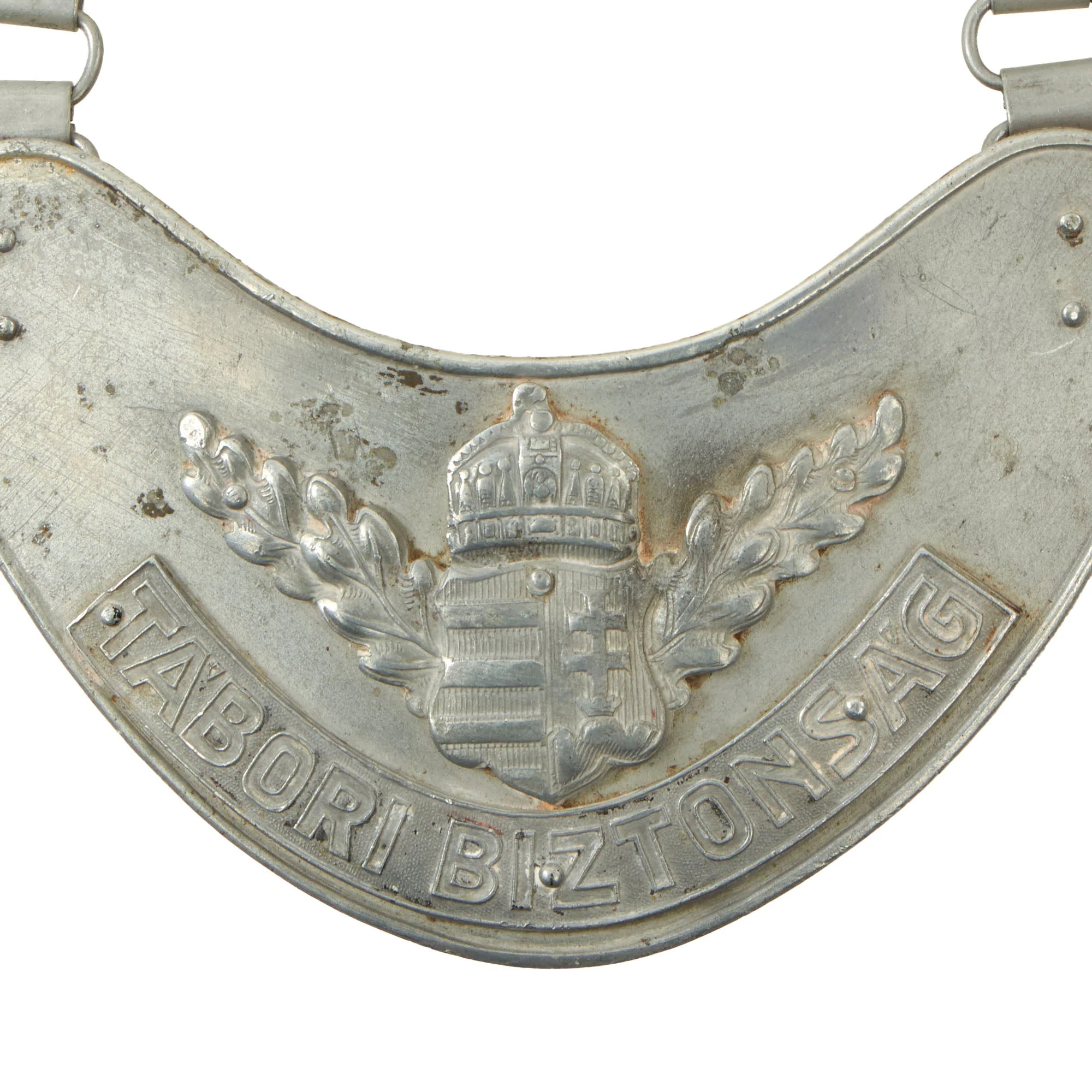
Original Item. Only One Available. This is a lovely scarce shield shaped plaque or vehicle plate for the NSKK Motor Group Niederrhein (Lower Rhine Region), which encompassed a relatively small border area north of Cologne along the Rhine. The NSKK organized various trips / expeditions to practice their driving and vehicle maintenance skills, and this plate was awarded for participating in a "reliability test" accomplished by traveling to Roemryke-Berge, which looks to have been some type of resort in central Germany. It is made from what looks to be zinc, measuring 4 1/2"H X 3 1/8"W, and has a central plated steel insignia showing an eagle over a green and white field bearing the NSKK Eagle. The back is maker marked by ADAM DONNER of Elberfeld, and the plate has three attachment holes for mounting.
The plate has the following text surrounding the central insignia:
MOTOR - GRUPPE
NIEDERRHEIN
26/27. 3.
19 38
ZUVERLÄSSIGKEITSFAHRT
ROEMRYKE-BERGE
This translates roughly as follows:
MOTOR GROUP
LOWER RHINE
RELIABILITY TEST
ROEMRYKE MOUNTAINS
The numbers in the middle indicate the trip took place 26-27 March 1938. A Very scarce piece of NSKK history, the first of its kind we have offered. Ready for further research and display.
The development of the NSKK, National Sozialistisches Kraftfahr Korps, (National Socialist Motor Corps), can be traced back to 1923, when the SA introduced a Kraftfahr Abteilung, (Motor Section), to transport personnel as required. In 1928 the SA Motor section was expanded to Kraftfahrstaffeln, (Motor Squadrons). In an attempt to create a national motor corps the NSAK, National Sozialistisches Automobil Korps, (National Socialist Automobile Corps), was formed in April 1930 as an NSDAP auxiliary organization, which was subordinate to the SA.
In early 1931 Adolf Hühnlein was appointed as Chief of the NSAK and proposed a name change to NSKK, which was officially accepted in April 1931. Before the introduction of a standardized belt buckle the NSKK used the SA pattern rectangular buckle in a variety of styles usually nickel or chrome-plated over brass or steel.
The NSKK served as a training organization, mainly instructing members in the operation and maintenance of high-performance motorcycles and automobiles. The NSKK was further used to transport NSDAP and SA officials/members. The NSKK also served as a roadside assistance group in the mid-1930s, comparable to the modern-day American Automobile Association or the British Automobile Association. With the outbreak of World War II NSKK ranks were recruited to serve in the transport corps of various German military branches. There was also a French section of the NSKK which was organized after the German occupation of France began in 1940. The NSKK was the smallest of the NSDAP Party organizations.

Details & Craftsmanship
Every detail has been carefully considered to bring you the perfect product.

Details & Craftsmanship
Every detail has been carefully considered to bring you the perfect product.

Details & Craftsmanship
Every detail has been carefully considered to bring you the perfect product.

Details & Craftsmanship
Every detail has been carefully considered to bring you the perfect product.

Details & Craftsmanship
Every detail has been carefully considered to bring you the perfect product.
Description
Original Item. Only One Available. This is a lovely scarce shield shaped plaque or vehicle plate for the NSKK Motor Group Niederrhein (Lower Rhine Region), which encompassed a relatively small border area north of Cologne along the Rhine. The NSKK organized various trips / expeditions to practice their driving and vehicle maintenance skills, and this plate was awarded for participating in a "reliability test" accomplished by traveling to Roemryke-Berge, which looks to have been some type of resort in central Germany. It is made from what looks to be zinc, measuring 4 1/2"H X 3 1/8"W, and has a central plated steel insignia showing an eagle over a green and white field bearing the NSKK Eagle. The back is maker marked by ADAM DONNER of Elberfeld, and the plate has three attachment holes for mounting.
The plate has the following text surrounding the central insignia:
MOTOR - GRUPPE
NIEDERRHEIN
26/27. 3.
19 38
ZUVERLÄSSIGKEITSFAHRT
ROEMRYKE-BERGE
This translates roughly as follows:
MOTOR GROUP
LOWER RHINE
RELIABILITY TEST
ROEMRYKE MOUNTAINS
The numbers in the middle indicate the trip took place 26-27 March 1938. A Very scarce piece of NSKK history, the first of its kind we have offered. Ready for further research and display.
The development of the NSKK, National Sozialistisches Kraftfahr Korps, (National Socialist Motor Corps), can be traced back to 1923, when the SA introduced a Kraftfahr Abteilung, (Motor Section), to transport personnel as required. In 1928 the SA Motor section was expanded to Kraftfahrstaffeln, (Motor Squadrons). In an attempt to create a national motor corps the NSAK, National Sozialistisches Automobil Korps, (National Socialist Automobile Corps), was formed in April 1930 as an NSDAP auxiliary organization, which was subordinate to the SA.
In early 1931 Adolf Hühnlein was appointed as Chief of the NSAK and proposed a name change to NSKK, which was officially accepted in April 1931. Before the introduction of a standardized belt buckle the NSKK used the SA pattern rectangular buckle in a variety of styles usually nickel or chrome-plated over brass or steel.
The NSKK served as a training organization, mainly instructing members in the operation and maintenance of high-performance motorcycles and automobiles. The NSKK was further used to transport NSDAP and SA officials/members. The NSKK also served as a roadside assistance group in the mid-1930s, comparable to the modern-day American Automobile Association or the British Automobile Association. With the outbreak of World War II NSKK ranks were recruited to serve in the transport corps of various German military branches. There was also a French section of the NSKK which was organized after the German occupation of France began in 1940. The NSKK was the smallest of the NSDAP Party organizations.