
Original: $350.00
-70%$350.00
$105.00The Story
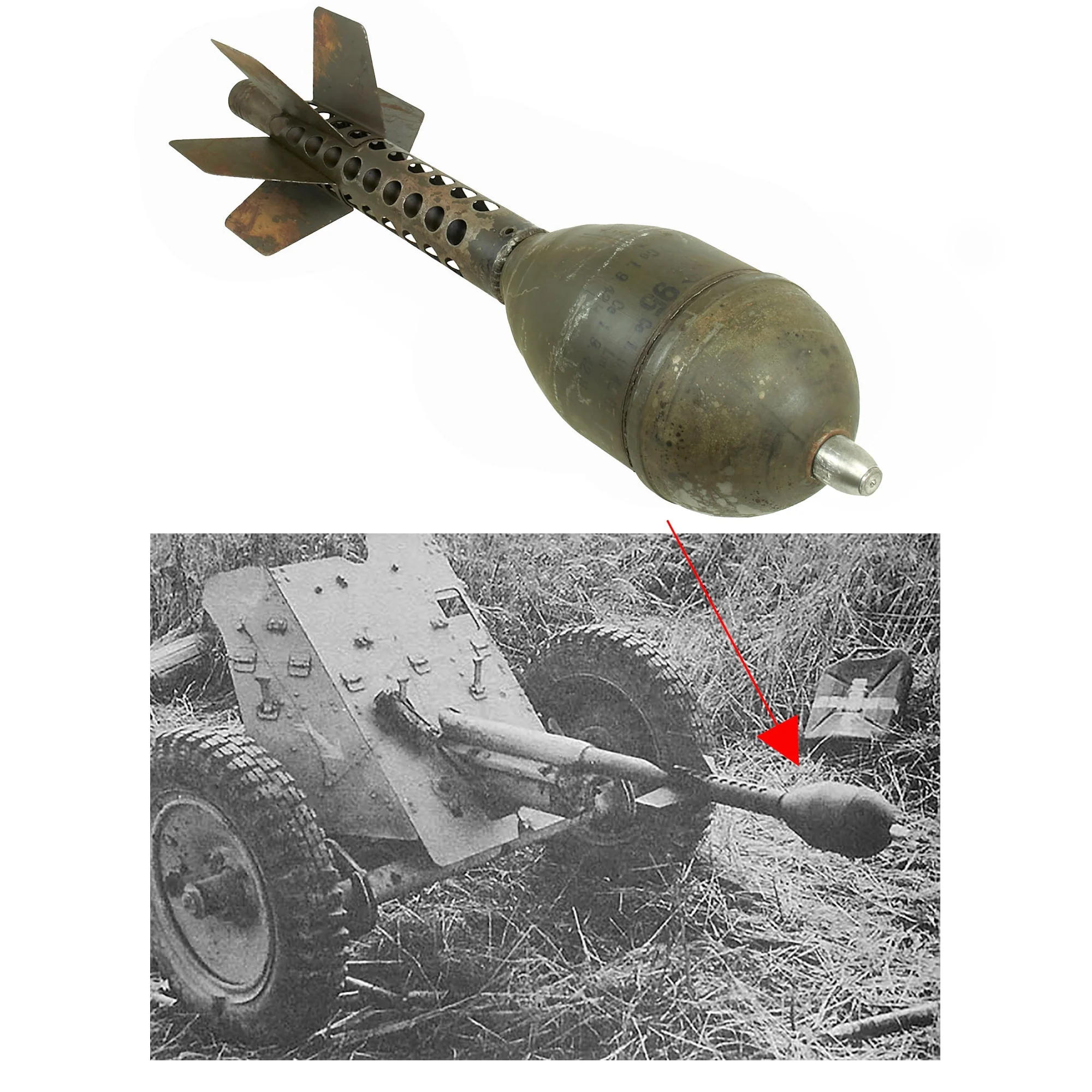
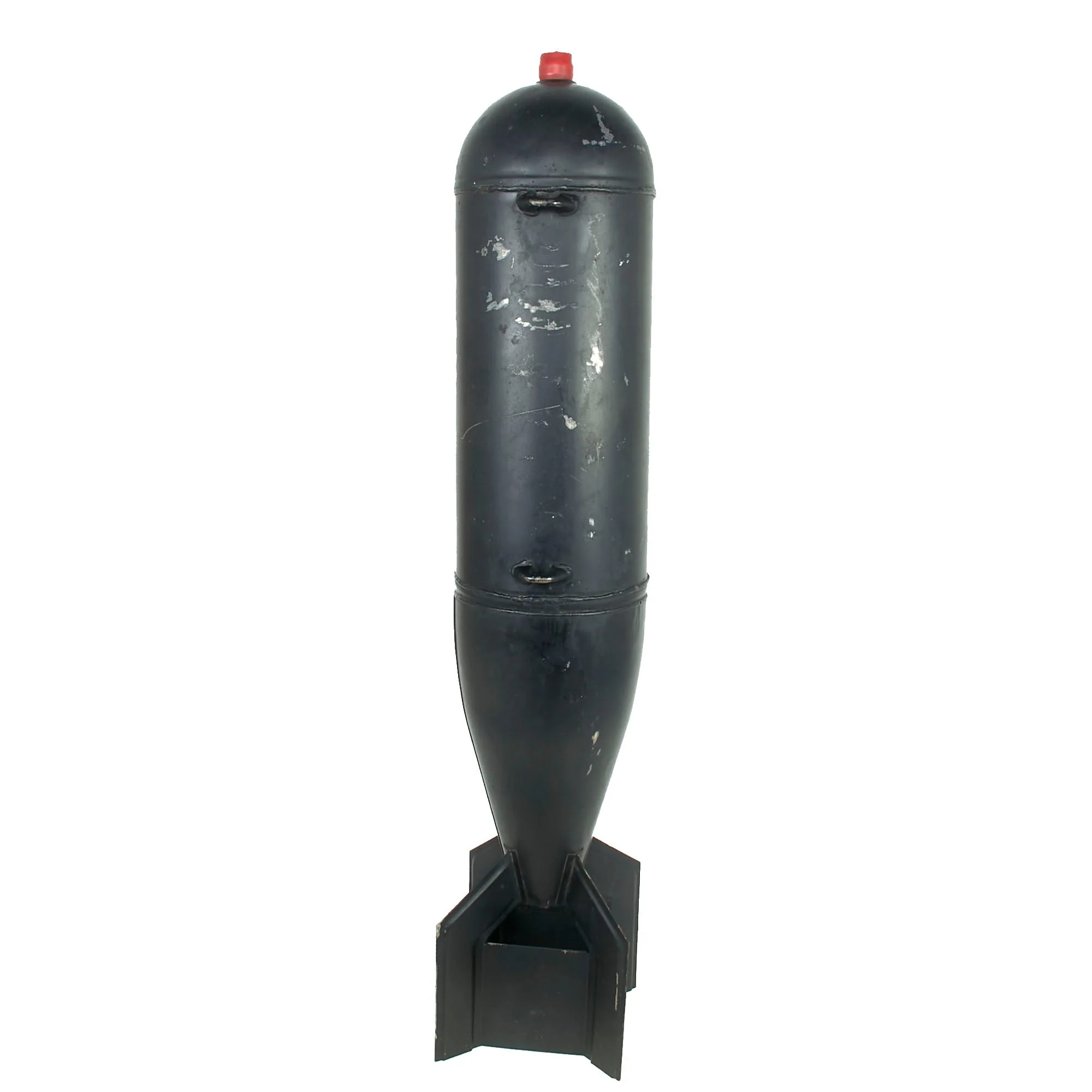
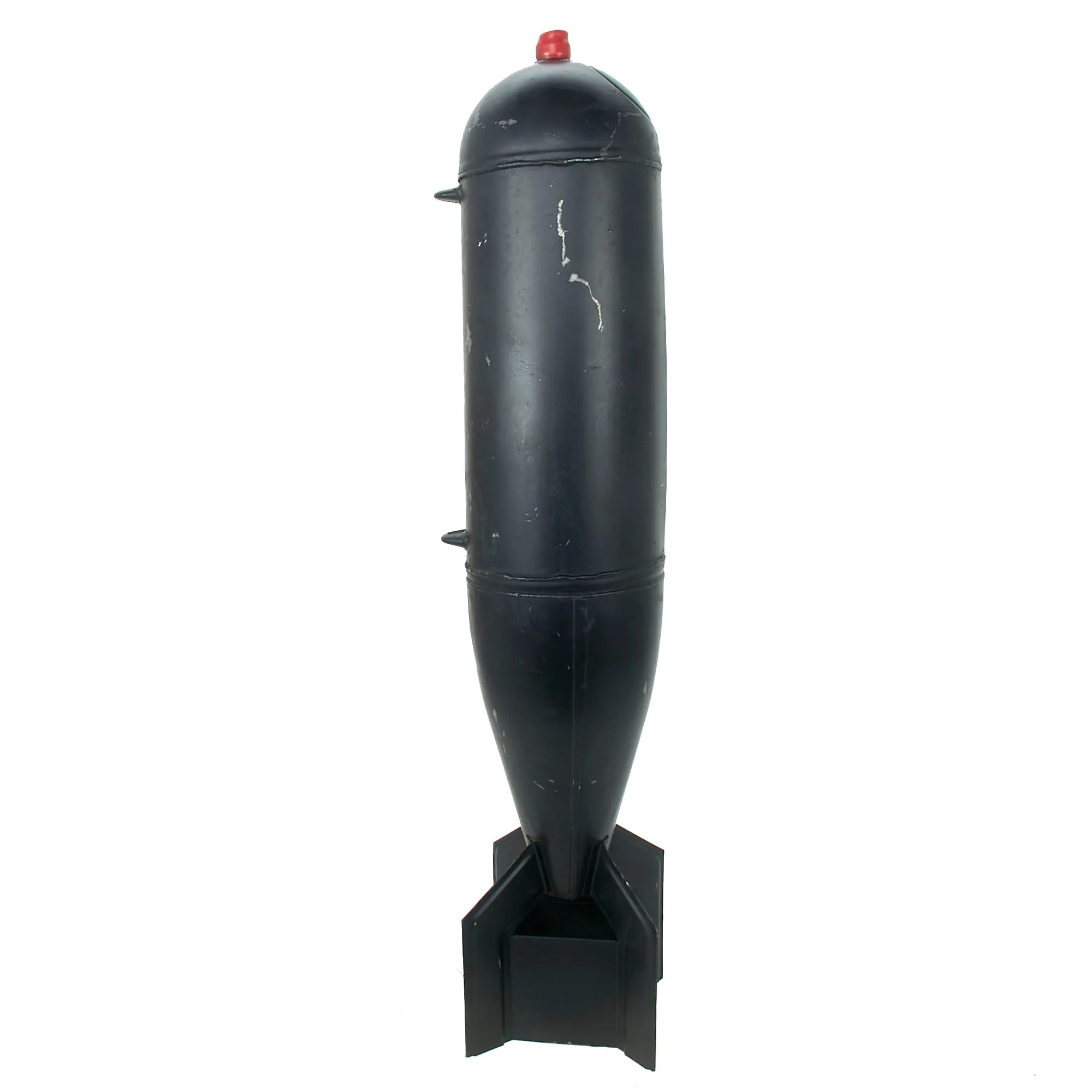
Original Item: Only One Available. The SD1 Splitterbombe (Fragmentation Bomb) is an Anti-personnel (fragmentation) that was used primarily in two roles that were determined by the type of fuze and accessories fitted to the bomb. The first was as a fragmentation bomb with instantaneous fuze and when the bombs exploded above ground the case created large fragments which would kill enemy personnel and destroy unarmored vehicles. The second role was as a general-purpose or armor-piercing role. In this role, the bombs were fitted with a time delay fuze which detonated the bomb after it had pierced a target destroying it with a combination of its blast and fragments.
This example is a totally inert according to guidelines provided by the ATF. Not Available for Export.
The cluster bomb was introduced in 1942 as an anti-personal air dropped bomb designed to be airdropped in containers. There were 392 SD1 cluster bombs contained in the AB500-1 container, 224 in the AB250-2 and 50 in the AB70-D1 container. When carried in containers, the nose of the fuse nestled in a cavity in the base of the bomb in front, so protecting the fuse. No safety device was fitted to the fuse once loaded. The reinforcing ring on the fins was made longer in 1943.
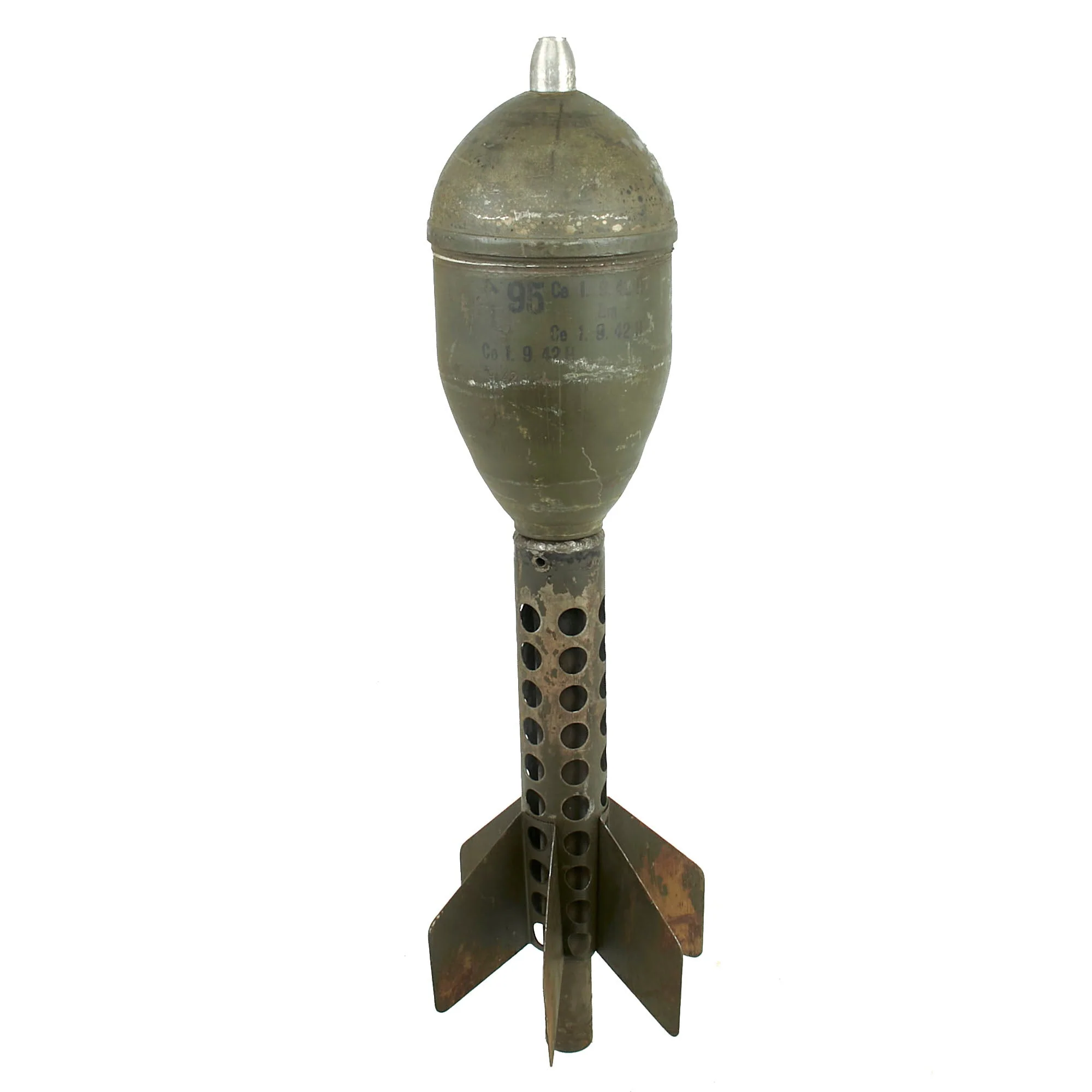
This very nice example features a cast iron body with a 6-tail assembly with an intact ring. It has a good amount of the original ordnance tan paint, though there is definitely pitting and corrosion on the exterior. It is also fitted with the mechanical impact fuze, which is missing the fuze cap, which would be removed when the cluster bombs were loaded. This example has the grooves on the body, meaning it is an SD-1 and not an SD1 FRZ.
The alloy AZ73 nose fuze is faintly marked in the casting AZ (73) A (Waffenamt 120) lzs s 35. This includes a maker code, lzs, however we have not been able to identify this maker. The fuze can be removed to inspect the sub-munition interior. The round measures 6 5/8” long. The side of the body is stamped:
36a DL40
393
A great example, ready for further research and display.

Details & Craftsmanship
Every detail has been carefully considered to bring you the perfect product.

Details & Craftsmanship
Every detail has been carefully considered to bring you the perfect product.

Details & Craftsmanship
Every detail has been carefully considered to bring you the perfect product.

Details & Craftsmanship
Every detail has been carefully considered to bring you the perfect product.

Details & Craftsmanship
Every detail has been carefully considered to bring you the perfect product.

Details & Craftsmanship
Every detail has been carefully considered to bring you the perfect product.

Details & Craftsmanship
Every detail has been carefully considered to bring you the perfect product.

Details & Craftsmanship
Every detail has been carefully considered to bring you the perfect product.

Details & Craftsmanship
Every detail has been carefully considered to bring you the perfect product.
Description
Original Item: Only One Available. The SD1 Splitterbombe (Fragmentation Bomb) is an Anti-personnel (fragmentation) that was used primarily in two roles that were determined by the type of fuze and accessories fitted to the bomb. The first was as a fragmentation bomb with instantaneous fuze and when the bombs exploded above ground the case created large fragments which would kill enemy personnel and destroy unarmored vehicles. The second role was as a general-purpose or armor-piercing role. In this role, the bombs were fitted with a time delay fuze which detonated the bomb after it had pierced a target destroying it with a combination of its blast and fragments.
This example is a totally inert according to guidelines provided by the ATF. Not Available for Export.
The cluster bomb was introduced in 1942 as an anti-personal air dropped bomb designed to be airdropped in containers. There were 392 SD1 cluster bombs contained in the AB500-1 container, 224 in the AB250-2 and 50 in the AB70-D1 container. When carried in containers, the nose of the fuse nestled in a cavity in the base of the bomb in front, so protecting the fuse. No safety device was fitted to the fuse once loaded. The reinforcing ring on the fins was made longer in 1943.
This very nice example features a cast iron body with a 6-tail assembly with an intact ring. It has a good amount of the original ordnance tan paint, though there is definitely pitting and corrosion on the exterior. It is also fitted with the mechanical impact fuze, which is missing the fuze cap, which would be removed when the cluster bombs were loaded. This example has the grooves on the body, meaning it is an SD-1 and not an SD1 FRZ.
The alloy AZ73 nose fuze is faintly marked in the casting AZ (73) A (Waffenamt 120) lzs s 35. This includes a maker code, lzs, however we have not been able to identify this maker. The fuze can be removed to inspect the sub-munition interior. The round measures 6 5/8” long. The side of the body is stamped:
36a DL40
393
A great example, ready for further research and display.