
The Story
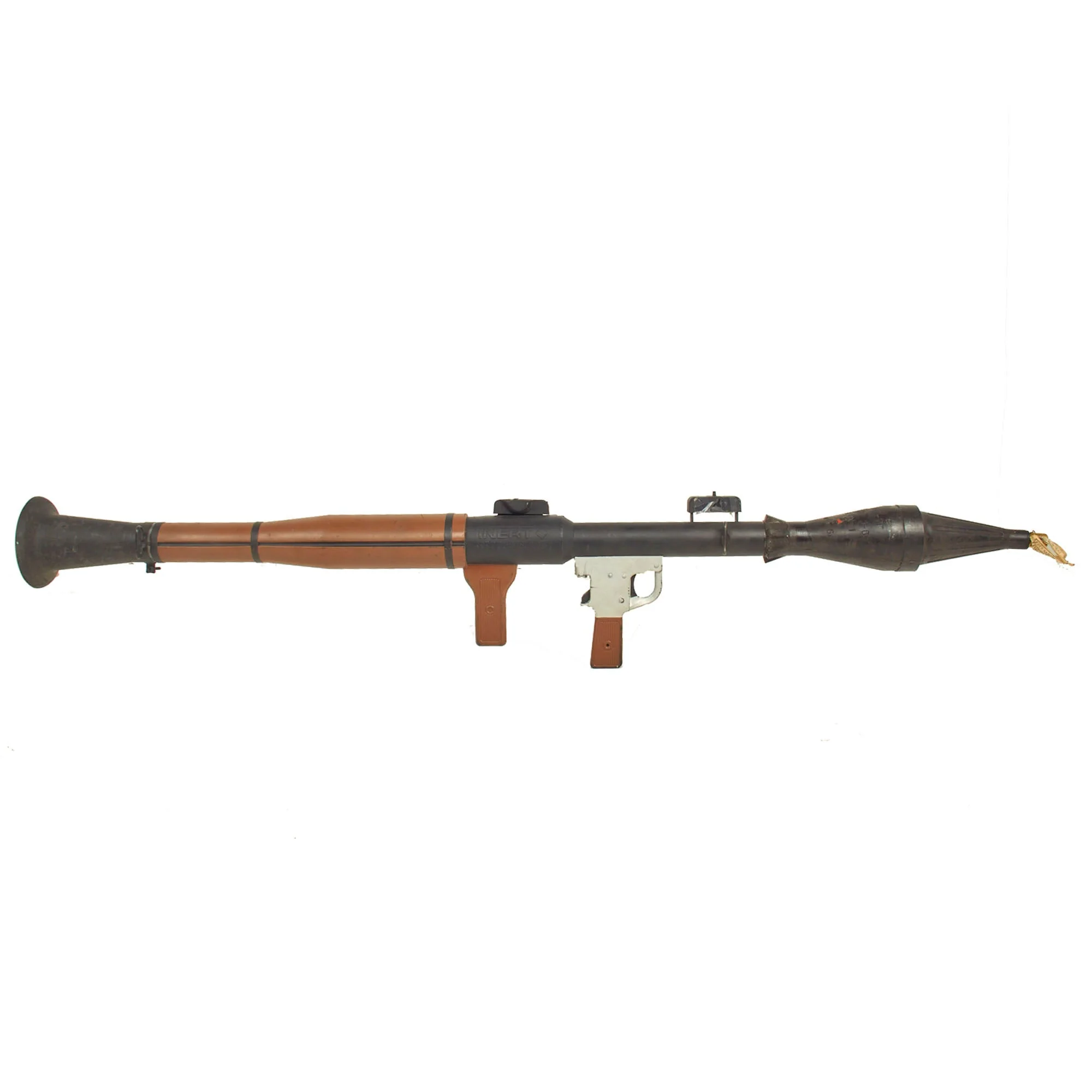
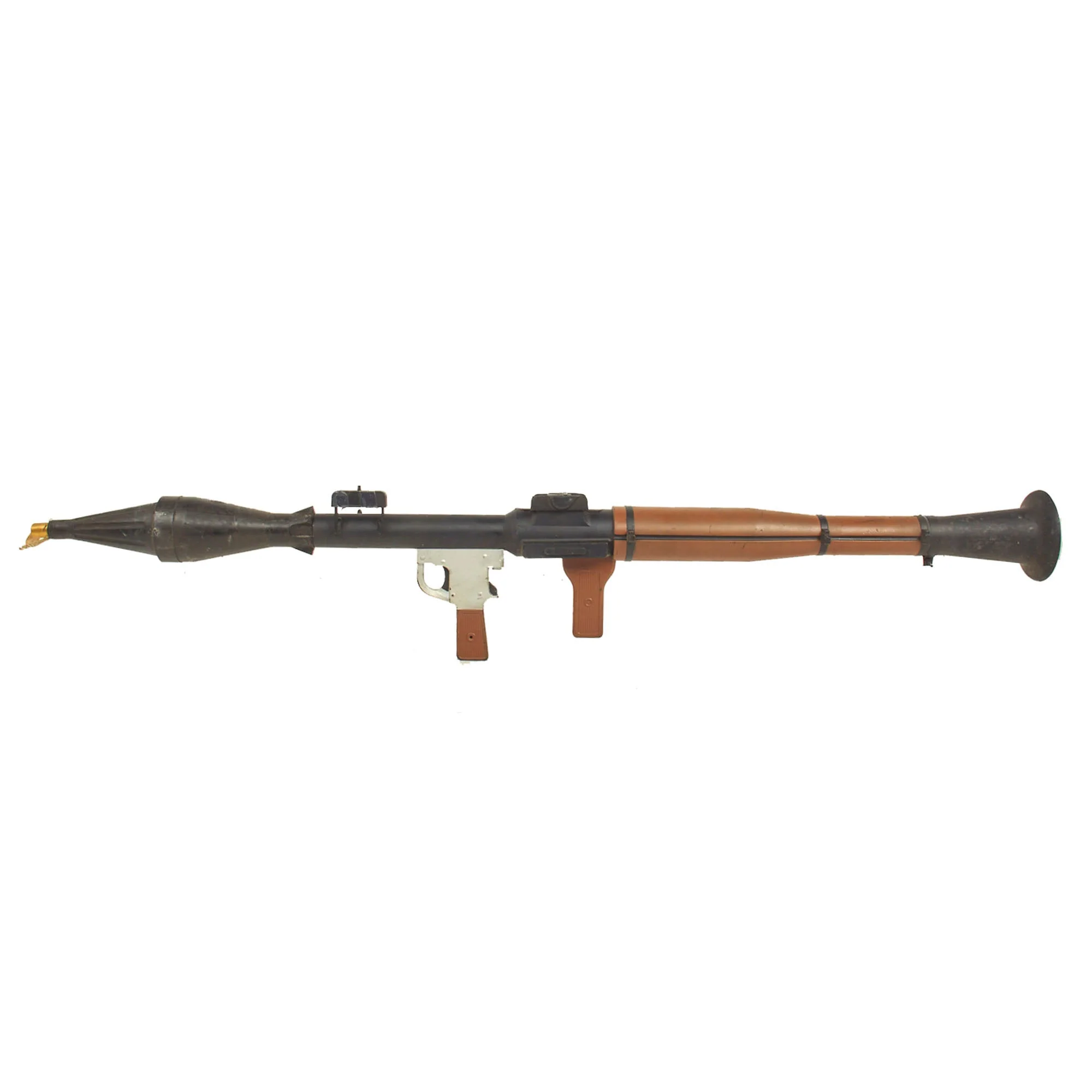
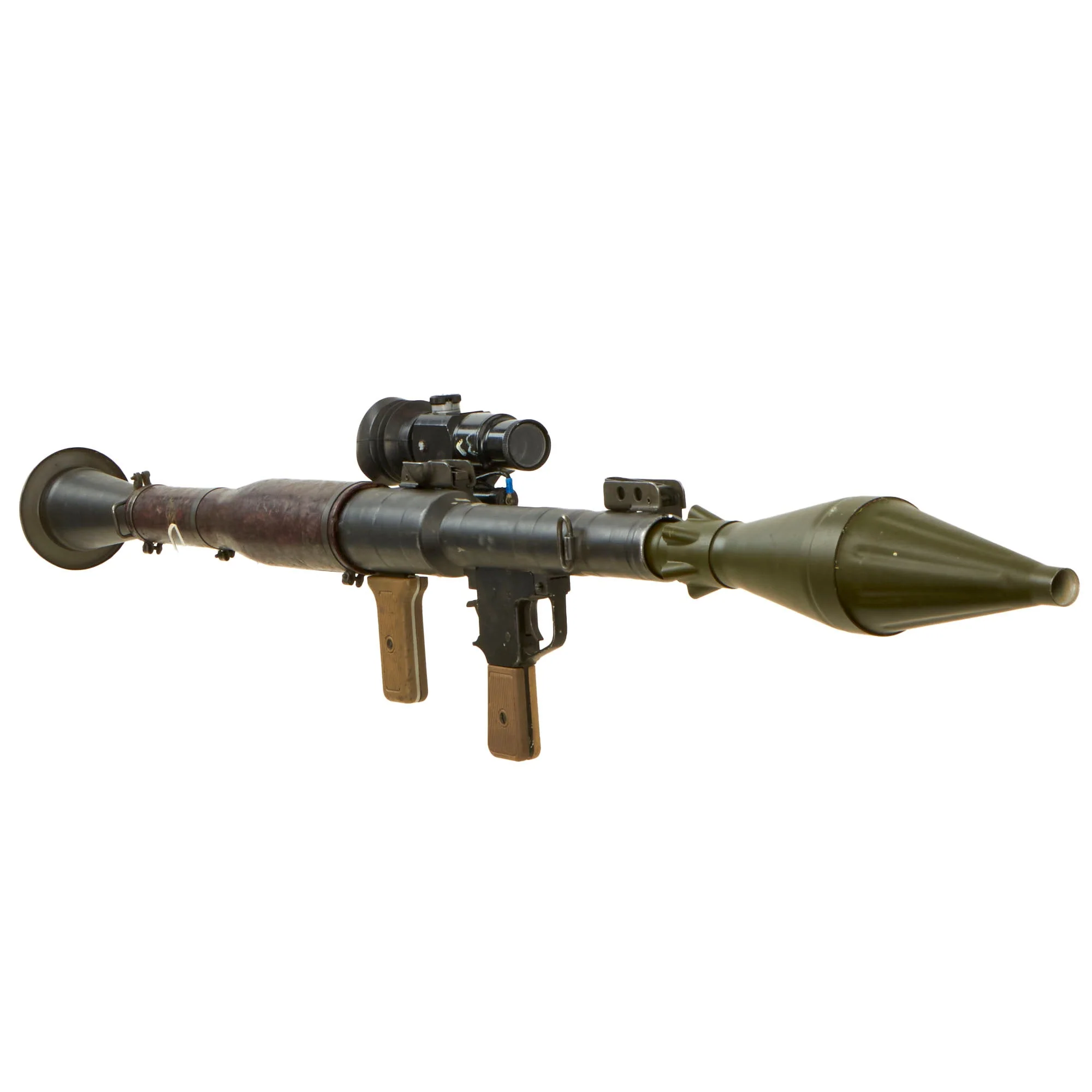
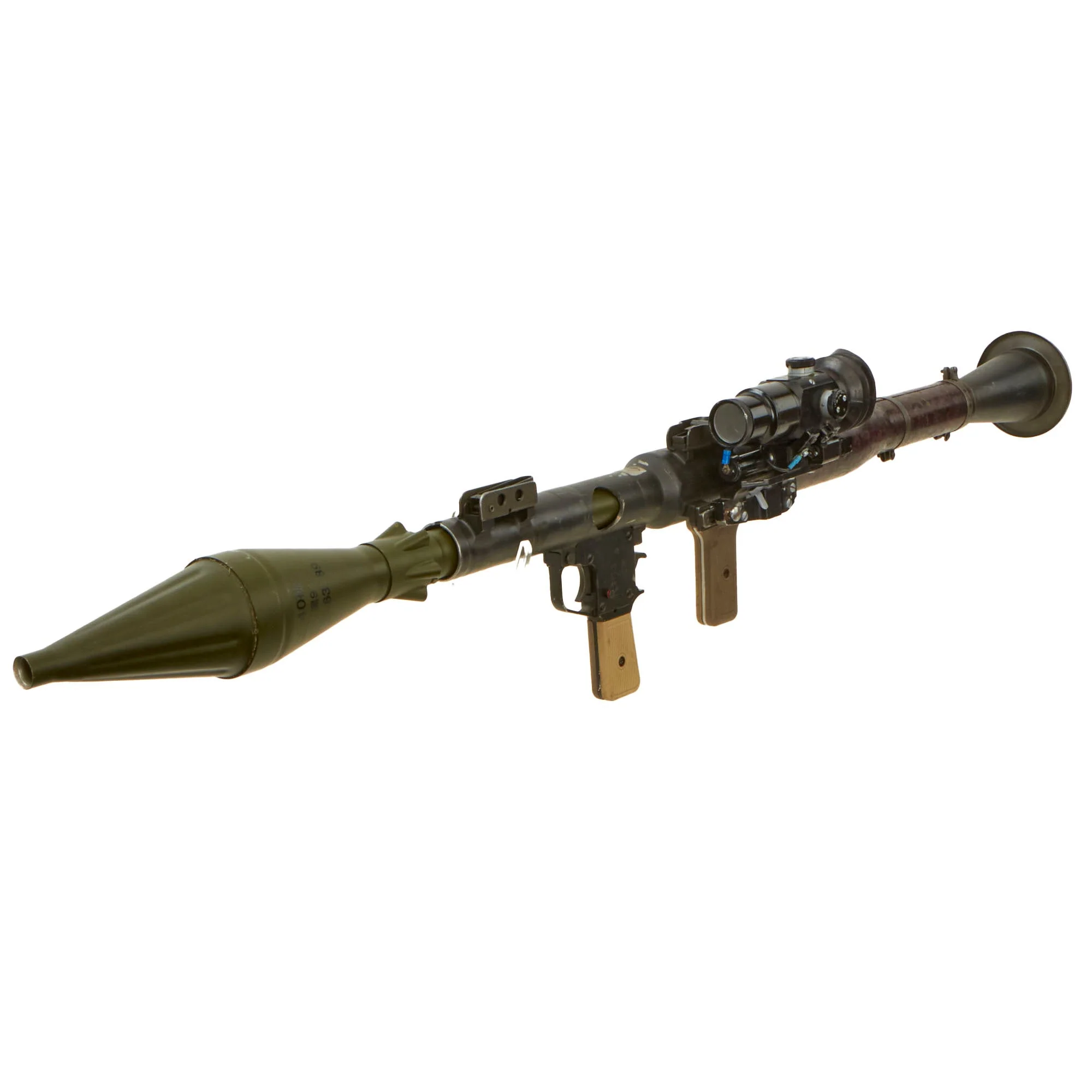
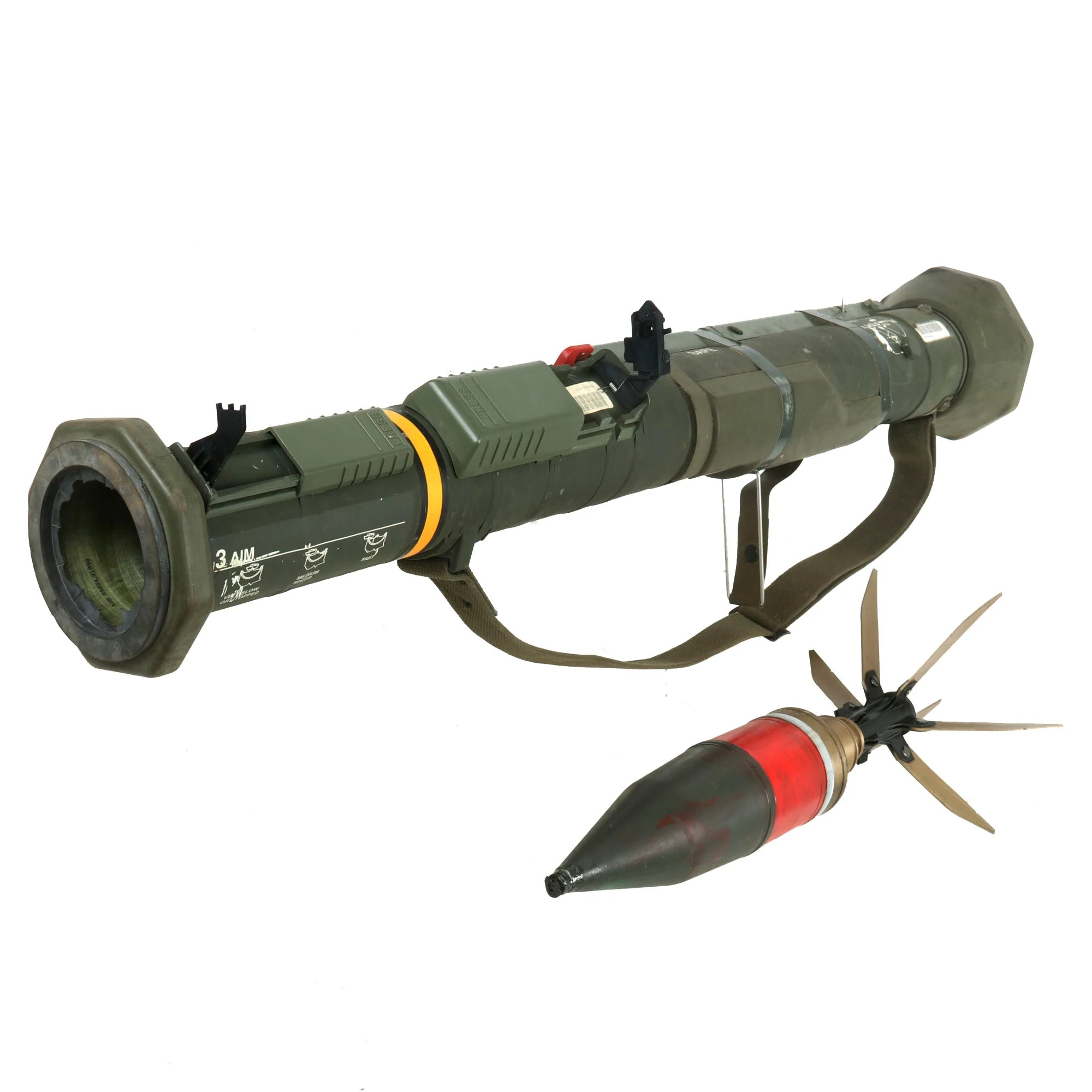
Original Item: Only one available. This is an inert non-firing BATF compliant M72E5 LAW Light Anti-Tank Weapon offered in good condition. Once fired, these tubes are unable to be reloaded. Used launchers such as this are"expended ordnance" which "are not classified as a "firearm" or "destructive device"" by the BATF once used, and "therefore, they are not subject to GCA or NFA provisions."
Unloaded or dummy grenades, artillery shell casings, and similar devices, which are cut or drilled in an BATF-approved manner so that they cannot be used as ammunition components for destructive devices, are not considered NFA weapons. This example is in total compliance and is NOT AVAILABLE FOR EXPORT. NOT AVAILABLE TO CALIFORNIA RESIDENTS.
These are timeless in design, which the U.S. Military has tried to replace in the past, but was unable to find anything better than these disposable launchers.
This example is in very good shape, looking to have been possibly repainted in the past for training. At this time there also look to have been rails attached to both sides of the body next to the trigger mechanism, for use from either side. The flip up rear sight is still present, however the front sight is completely missing. It still has the original sling, as well as the rubber padded end caps with retaining pin, which still fit on correctly. The foam rubber insert for the breech has come unglued from the rear lid.
The launcher still retains the original instruction label, and is stamped on the right side with the model designation:
ROCKET, HE, 66MM, AT, M72E5
RAN95H01-07
It also has an indication next to this of a temperature range of (-40° C / 60° C), with no other markings on the tube. The M72E5 is not a variant we recognize, but we have seen reference to the M72E4 and others, so it may be some type of experimental launcher.
Comes ready for further research and display.
During the Vietnam and post-Vietnam periods, all issued LAWs were recalled after instances of the warhead exploding in flight, sometimes injuring the operator. After safety improvements, part of the training and firing drills included the requirement to ensure that the words "w/coupler" were included in the text description stenciled on the launcher, which indicated that the launcher had the required safety modifications.
With the failure of the M72's intended replacement, the Viper, in late 1982 Congress ordered the US Army to test off-the-shelf light antitank weapons and report back by the end of 1983. In partnership with Raufoss AS, Talley Defense offered the M72E5, which offered increased range, penetration and better sights; this was tested along with five other light anti-armor weapons in 1983. Despite the improvements that the M72E5 offered, the AT4 was chosen to replace the M72.
Although generally thought of as a Vietnam War–era weapon that has been superseded by the more-powerful AT4, the M72 LAW found new popularity in the operations by the U.S. Army, the U.S. Marine Corps, and Canadian Army in Iraq and Afghanistan. The lower cost and lighter weight of the LAW, combined with a scarcity of modern heavy armored targets and the need for an individual assault weapon versus an individual anti-armor weapon, made it ideal for the type of urban combat seen in Iraq and mountain warfare seen in Afghanistan. In addition, a soldier can carry two LAWs on a mission as opposed to a single AT4.
The U.S. Marine Corps Systems Command at Quantico, Virginia, placed a $15.5-million fixed contract order with Talley Defense for 7,750 M72A7s, with delivery to be completed in April 2011. The M72A7 LAW is an improvement on previous versions, including an improved rocket motor for a higher velocity to accurately engage targets past 200 m (660 ft), an insensitive munitions warhead to reduce the likelihood of an accidental explosion, and a Picatinny rail to mount laser pointers and night sights. The LAW was useful in Afghanistan as a small and light rocket system for use against short- and medium-range targets by foot patrols in the difficult terrain and high elevations of the country. The U.S. military was still purchasing LAW rockets as of January 2015. In 2018 it was reported that an upgrade for the LAW was being developed that would improve the fire control system as well as largely eliminate the weapon's back blast, allowing the weapon to be used more safely from within a confined space.

Details & Craftsmanship
Every detail has been carefully considered to bring you the perfect product.

Details & Craftsmanship
Every detail has been carefully considered to bring you the perfect product.

Details & Craftsmanship
Every detail has been carefully considered to bring you the perfect product.

Details & Craftsmanship
Every detail has been carefully considered to bring you the perfect product.

Details & Craftsmanship
Every detail has been carefully considered to bring you the perfect product.

Details & Craftsmanship
Every detail has been carefully considered to bring you the perfect product.

Details & Craftsmanship
Every detail has been carefully considered to bring you the perfect product.

Details & Craftsmanship
Every detail has been carefully considered to bring you the perfect product.

Details & Craftsmanship
Every detail has been carefully considered to bring you the perfect product.

Details & Craftsmanship
Every detail has been carefully considered to bring you the perfect product.

Details & Craftsmanship
Every detail has been carefully considered to bring you the perfect product.
Description
Original Item: Only one available. This is an inert non-firing BATF compliant M72E5 LAW Light Anti-Tank Weapon offered in good condition. Once fired, these tubes are unable to be reloaded. Used launchers such as this are"expended ordnance" which "are not classified as a "firearm" or "destructive device"" by the BATF once used, and "therefore, they are not subject to GCA or NFA provisions."
Unloaded or dummy grenades, artillery shell casings, and similar devices, which are cut or drilled in an BATF-approved manner so that they cannot be used as ammunition components for destructive devices, are not considered NFA weapons. This example is in total compliance and is NOT AVAILABLE FOR EXPORT. NOT AVAILABLE TO CALIFORNIA RESIDENTS.
These are timeless in design, which the U.S. Military has tried to replace in the past, but was unable to find anything better than these disposable launchers.
This example is in very good shape, looking to have been possibly repainted in the past for training. At this time there also look to have been rails attached to both sides of the body next to the trigger mechanism, for use from either side. The flip up rear sight is still present, however the front sight is completely missing. It still has the original sling, as well as the rubber padded end caps with retaining pin, which still fit on correctly. The foam rubber insert for the breech has come unglued from the rear lid.
The launcher still retains the original instruction label, and is stamped on the right side with the model designation:
ROCKET, HE, 66MM, AT, M72E5
RAN95H01-07
It also has an indication next to this of a temperature range of (-40° C / 60° C), with no other markings on the tube. The M72E5 is not a variant we recognize, but we have seen reference to the M72E4 and others, so it may be some type of experimental launcher.
Comes ready for further research and display.
During the Vietnam and post-Vietnam periods, all issued LAWs were recalled after instances of the warhead exploding in flight, sometimes injuring the operator. After safety improvements, part of the training and firing drills included the requirement to ensure that the words "w/coupler" were included in the text description stenciled on the launcher, which indicated that the launcher had the required safety modifications.
With the failure of the M72's intended replacement, the Viper, in late 1982 Congress ordered the US Army to test off-the-shelf light antitank weapons and report back by the end of 1983. In partnership with Raufoss AS, Talley Defense offered the M72E5, which offered increased range, penetration and better sights; this was tested along with five other light anti-armor weapons in 1983. Despite the improvements that the M72E5 offered, the AT4 was chosen to replace the M72.
Although generally thought of as a Vietnam War–era weapon that has been superseded by the more-powerful AT4, the M72 LAW found new popularity in the operations by the U.S. Army, the U.S. Marine Corps, and Canadian Army in Iraq and Afghanistan. The lower cost and lighter weight of the LAW, combined with a scarcity of modern heavy armored targets and the need for an individual assault weapon versus an individual anti-armor weapon, made it ideal for the type of urban combat seen in Iraq and mountain warfare seen in Afghanistan. In addition, a soldier can carry two LAWs on a mission as opposed to a single AT4.
The U.S. Marine Corps Systems Command at Quantico, Virginia, placed a $15.5-million fixed contract order with Talley Defense for 7,750 M72A7s, with delivery to be completed in April 2011. The M72A7 LAW is an improvement on previous versions, including an improved rocket motor for a higher velocity to accurately engage targets past 200 m (660 ft), an insensitive munitions warhead to reduce the likelihood of an accidental explosion, and a Picatinny rail to mount laser pointers and night sights. The LAW was useful in Afghanistan as a small and light rocket system for use against short- and medium-range targets by foot patrols in the difficult terrain and high elevations of the country. The U.S. military was still purchasing LAW rockets as of January 2015. In 2018 it was reported that an upgrade for the LAW was being developed that would improve the fire control system as well as largely eliminate the weapon's back blast, allowing the weapon to be used more safely from within a confined space.