
Original U.S. Signed Picture: “Doolittle’s Raiders” Framed Picture Signed By David J. Thatcher, R.E. Cole and Major Thomas C. Griffin - 10⅞ x 13⅜”
Original U.S. Signed Picture: “Doolittle’s Raiders” Framed Picture Signed By David J. Thatcher, R.E. Cole and Major Thomas C. Griffin - 10⅞ x 13⅜”
Original: $495.00
-70%$495.00
$148.50The Story
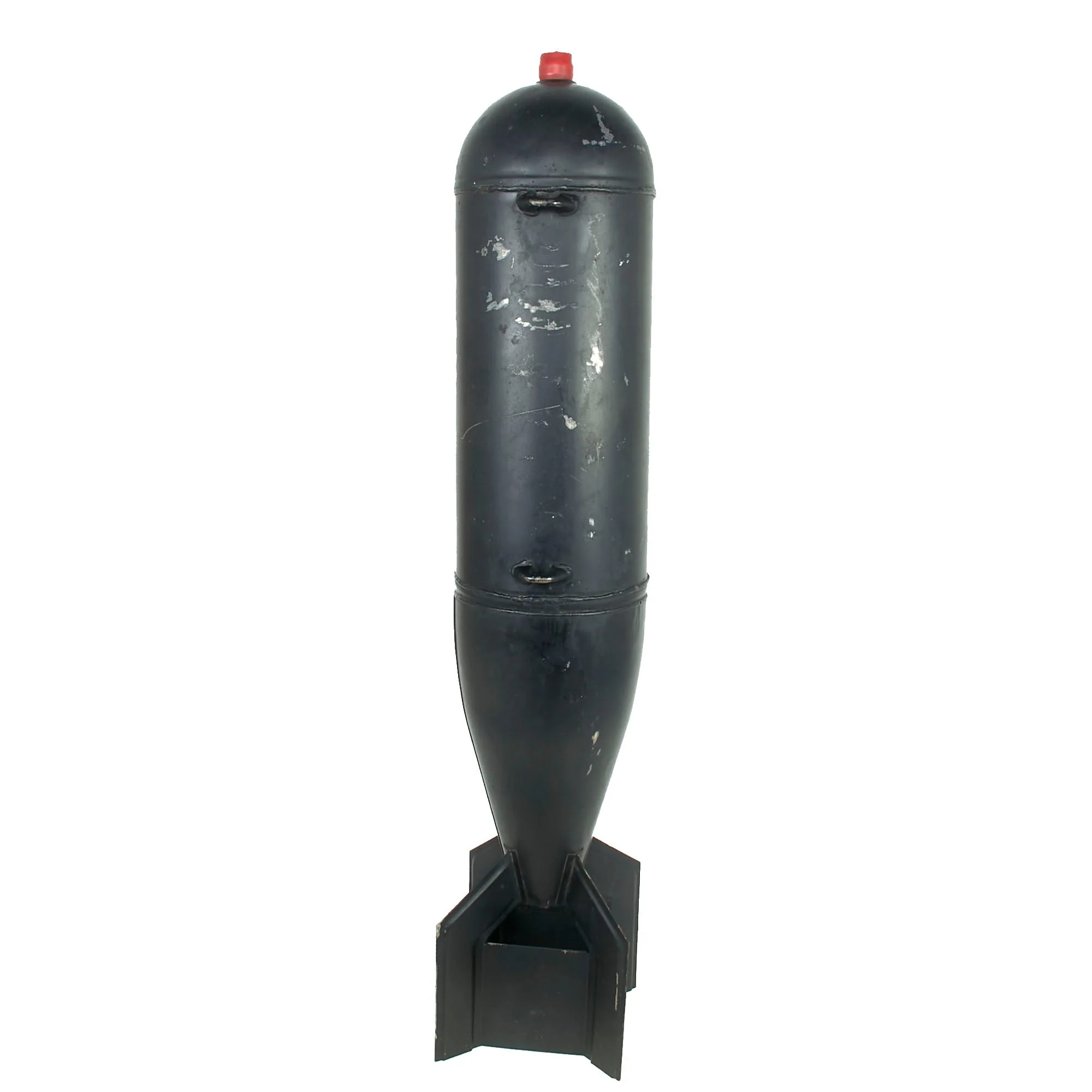
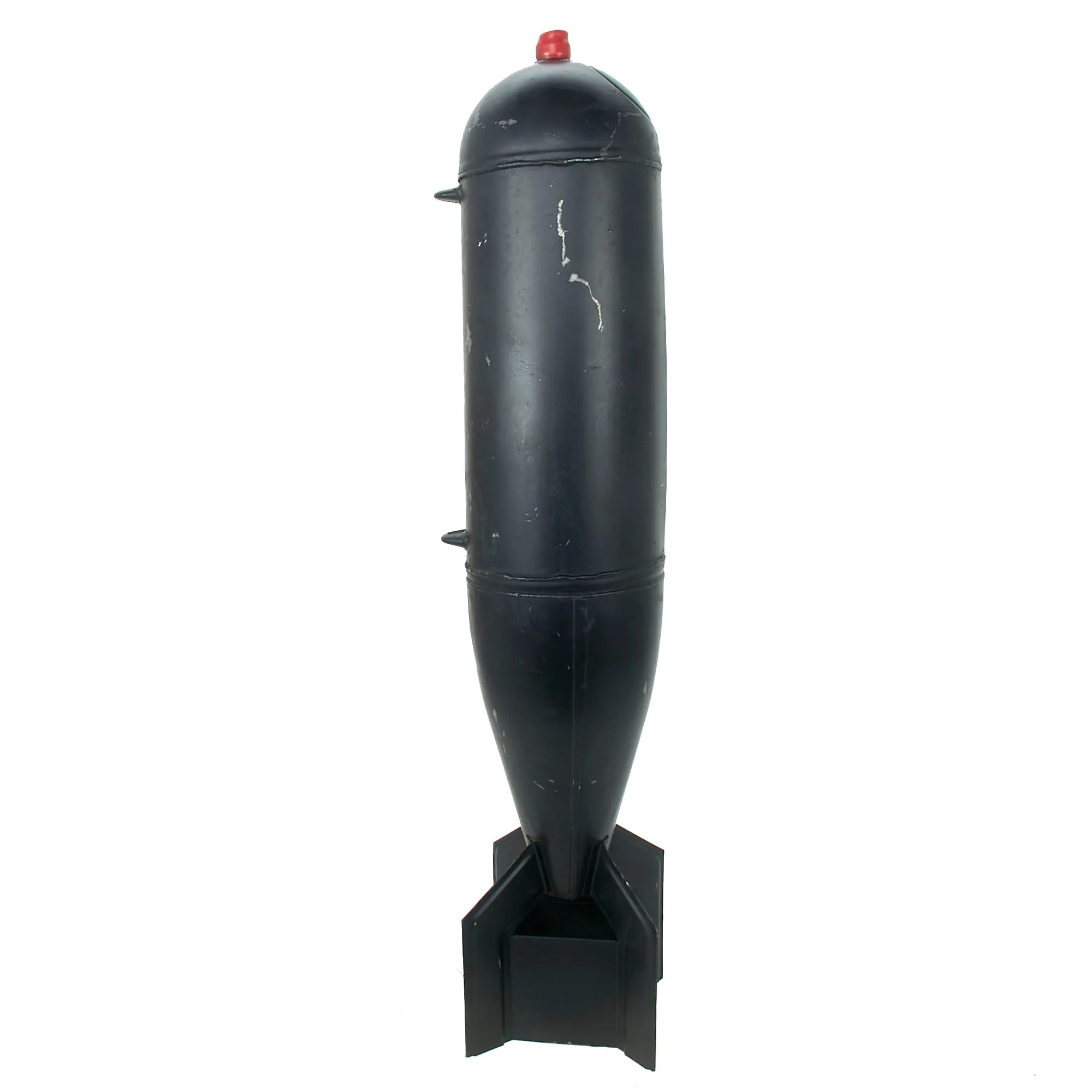
Original Item: Only One Available. This lovely signed image is of Lieutenant Colonel Doolittle (left front) and Captain Marc A. Mitscher, Hornet commanding officer, posing with a 500-pound bomb and USAAF aircrew members during ceremonies on Hornet's flight deck prior to the raid.
The Signatures Present:
- Major Thomas Carson Griffin: Thomas Carson Griffin (July 10, 1916 – February 26, 2013) was a United States Army Air Forces navigator who served during World War II. He was one of the eighty Doolittle Raiders who bombed Japan in April 1942. After the Doolittle Raid, he was relocated to North Africa and was shot down during an air raid in 1943, spending time in a prisoner-of-war camp until he was rescued in early 1945.
- Lieutenant Colonel Richard Eugene Cole: Richard Eugene Cole (September 7, 1915 – April 9, 2019) was a United States Air Force colonel. During World War II, he was one of the airmen who took part in the Doolittle Raid on Tokyo, Japan, on April 18, 1942. He served as the co-pilot to Lieutenant Colonel Jimmy Doolittle in the lead airplane of the raid by sixteen B-25 bombers, which for the first time took off from an aircraft carrier on a bombing mission. Cole remained in China after the raid until June 1943, and served again in the China Burma India Theater from October 1943 until June 1944. He later served as operations advisor to the Venezuelan Air Force from 1959 to 1962. He retired from the Air Force in 1966 and became the last living Doolittle Raider in 2016.
- Staff Sergeant David J. Thatcher: Thatcher was the tail gunner-engineer on Crew #7, “The Ruptured Duck,” which was piloted by Ted Lawson. After bombing targets in Tokyo, Lawson headed the plane towards China. Running low on fuel, Lawson tried to land the plane on a beach in darkness and heavy rain, but instead crashed in the surf after hitting a wave causing the plane to flip over. They crash-landed on the beach of Dasha Village, Hepu Town, Sanmen County, Taizhou City, Zhejiang Province due to insufficient fuel. The aircraft flipped over on the soft sand. The crash seriously injured all the members of the crew except for Thatcher, who was briefly knocked out in the crash but suffered only a bump to his head. After regaining consciousness and making it to shore, Thatcher saved the lives of his crew by gathering them on the beach, administering first aid and making contact with some friendly Chinese guerillas who had come upon the crew. He convinced the guerillas to take the crew to safety in inland China. “I bandaged everyone’s wounds as best I could,” Corporal Thatcher told the military authorities in a report a month later. He said he had used the bandage in his first-aid kit to wrap Lieutenant Lawson’s knee. “I used my handkerchief on the cut on his arm,” he added. For the pilot’s remaining wounds and those of the other crewmen, he said: “I had to use old dirty rags that the fishermen gave us. I had no choice if I were going to stop their bleeding.” Thatcher, the only crew member able to walk, joined with Chinese peasants and armed guerrillas to take the four injured airmen on a grueling five-day trek, by land and boat, to a hospital on the mainland, carrying them on stretchers and sedan chairs and managing to evade Japanese troops. Over the next few days, the crew repeatedly barely escaped capture by Japanese patrols searching for the Raiders. For his bravery in saving the lives of his crew, Thatcher was awarded the Silver Star.
A wonderful framed example ready for display.

Details & Craftsmanship
Every detail has been carefully considered to bring you the perfect product.

Details & Craftsmanship
Every detail has been carefully considered to bring you the perfect product.

Details & Craftsmanship
Every detail has been carefully considered to bring you the perfect product.

Details & Craftsmanship
Every detail has been carefully considered to bring you the perfect product.

Details & Craftsmanship
Every detail has been carefully considered to bring you the perfect product.

Details & Craftsmanship
Every detail has been carefully considered to bring you the perfect product.
Description
Original Item: Only One Available. This lovely signed image is of Lieutenant Colonel Doolittle (left front) and Captain Marc A. Mitscher, Hornet commanding officer, posing with a 500-pound bomb and USAAF aircrew members during ceremonies on Hornet's flight deck prior to the raid.
The Signatures Present:
- Major Thomas Carson Griffin: Thomas Carson Griffin (July 10, 1916 – February 26, 2013) was a United States Army Air Forces navigator who served during World War II. He was one of the eighty Doolittle Raiders who bombed Japan in April 1942. After the Doolittle Raid, he was relocated to North Africa and was shot down during an air raid in 1943, spending time in a prisoner-of-war camp until he was rescued in early 1945.
- Lieutenant Colonel Richard Eugene Cole: Richard Eugene Cole (September 7, 1915 – April 9, 2019) was a United States Air Force colonel. During World War II, he was one of the airmen who took part in the Doolittle Raid on Tokyo, Japan, on April 18, 1942. He served as the co-pilot to Lieutenant Colonel Jimmy Doolittle in the lead airplane of the raid by sixteen B-25 bombers, which for the first time took off from an aircraft carrier on a bombing mission. Cole remained in China after the raid until June 1943, and served again in the China Burma India Theater from October 1943 until June 1944. He later served as operations advisor to the Venezuelan Air Force from 1959 to 1962. He retired from the Air Force in 1966 and became the last living Doolittle Raider in 2016.
- Staff Sergeant David J. Thatcher: Thatcher was the tail gunner-engineer on Crew #7, “The Ruptured Duck,” which was piloted by Ted Lawson. After bombing targets in Tokyo, Lawson headed the plane towards China. Running low on fuel, Lawson tried to land the plane on a beach in darkness and heavy rain, but instead crashed in the surf after hitting a wave causing the plane to flip over. They crash-landed on the beach of Dasha Village, Hepu Town, Sanmen County, Taizhou City, Zhejiang Province due to insufficient fuel. The aircraft flipped over on the soft sand. The crash seriously injured all the members of the crew except for Thatcher, who was briefly knocked out in the crash but suffered only a bump to his head. After regaining consciousness and making it to shore, Thatcher saved the lives of his crew by gathering them on the beach, administering first aid and making contact with some friendly Chinese guerillas who had come upon the crew. He convinced the guerillas to take the crew to safety in inland China. “I bandaged everyone’s wounds as best I could,” Corporal Thatcher told the military authorities in a report a month later. He said he had used the bandage in his first-aid kit to wrap Lieutenant Lawson’s knee. “I used my handkerchief on the cut on his arm,” he added. For the pilot’s remaining wounds and those of the other crewmen, he said: “I had to use old dirty rags that the fishermen gave us. I had no choice if I were going to stop their bleeding.” Thatcher, the only crew member able to walk, joined with Chinese peasants and armed guerrillas to take the four injured airmen on a grueling five-day trek, by land and boat, to a hospital on the mainland, carrying them on stretchers and sedan chairs and managing to evade Japanese troops. Over the next few days, the crew repeatedly barely escaped capture by Japanese patrols searching for the Raiders. For his bravery in saving the lives of his crew, Thatcher was awarded the Silver Star.
A wonderful framed example ready for display.