
Original: $395.00
-70%$395.00
$118.50The Story
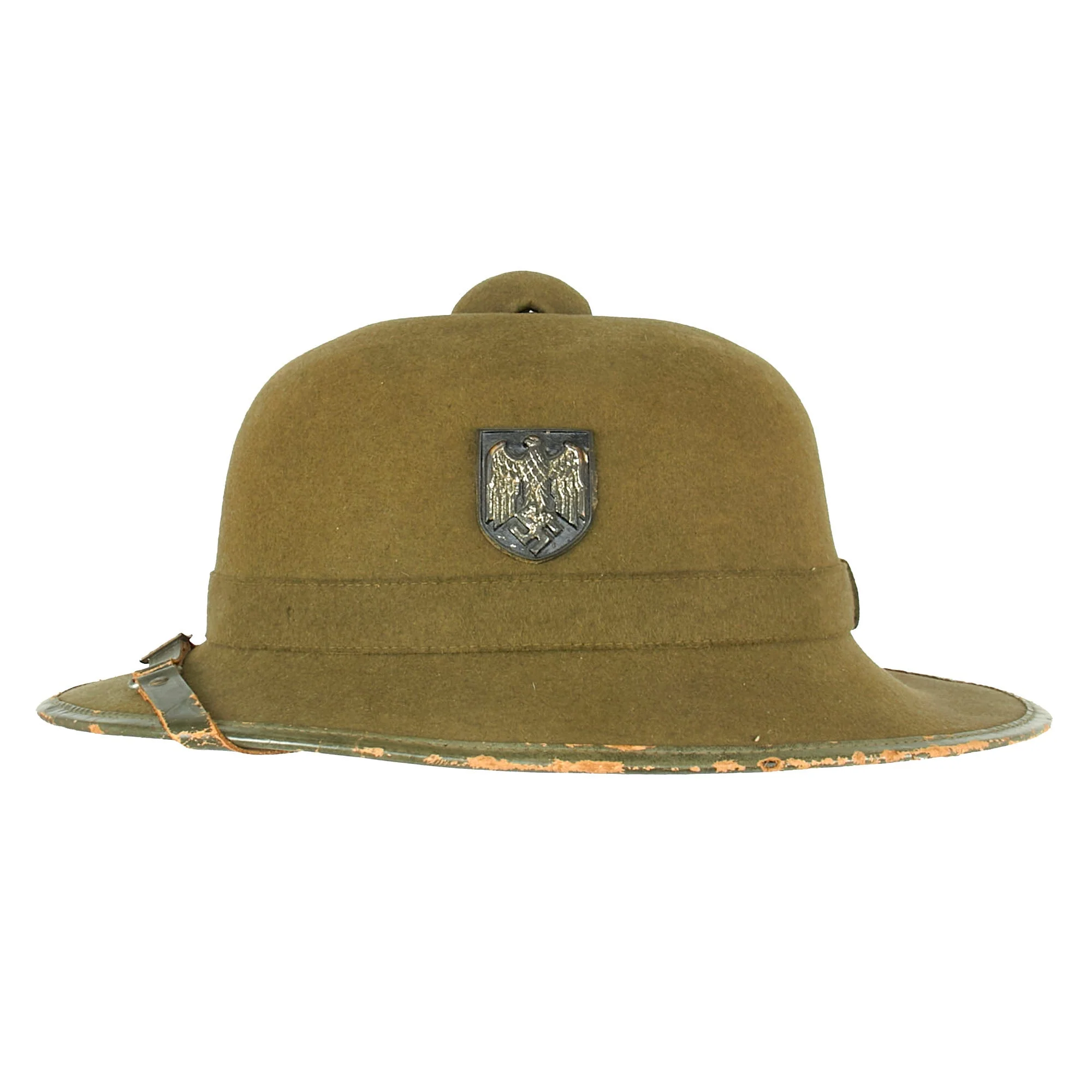
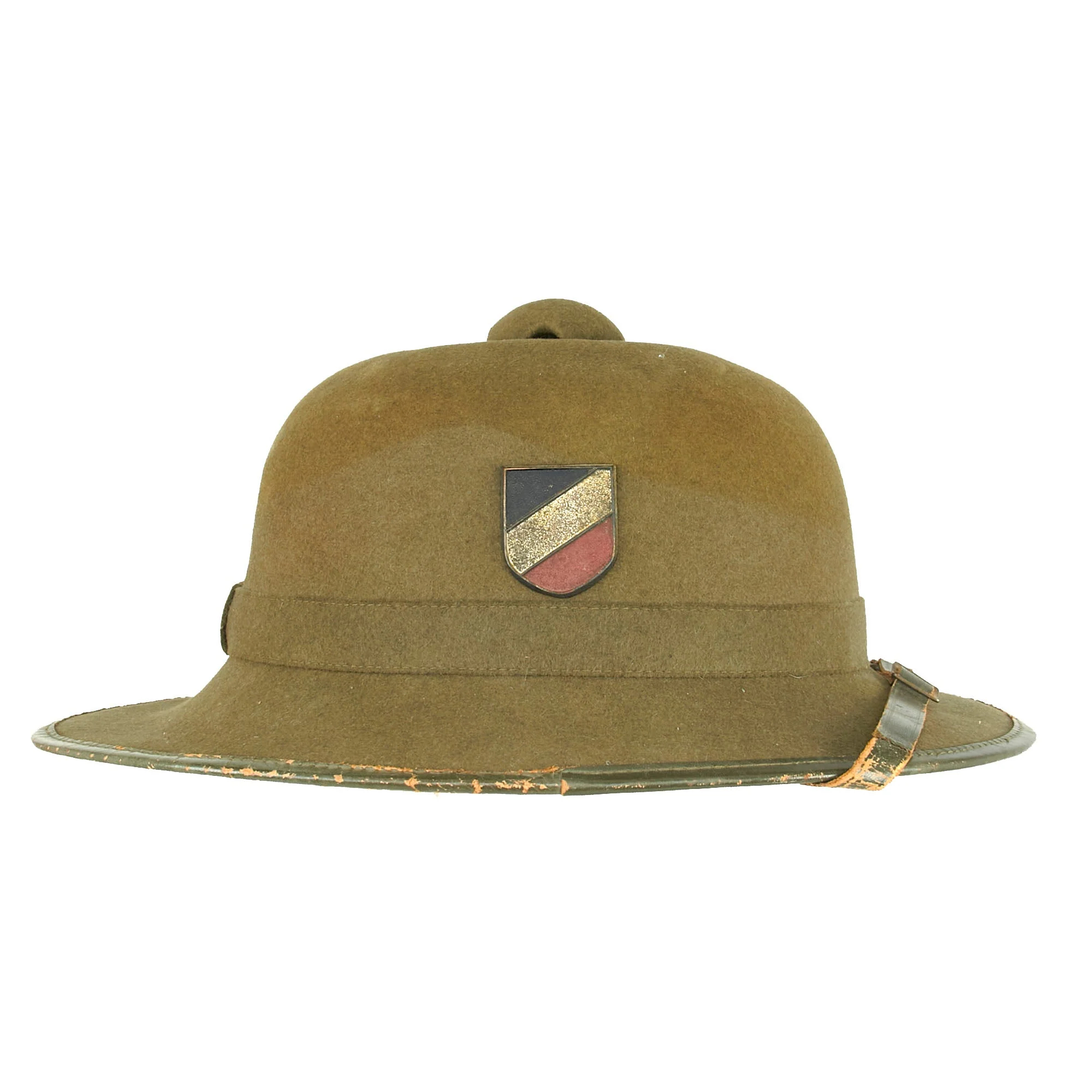
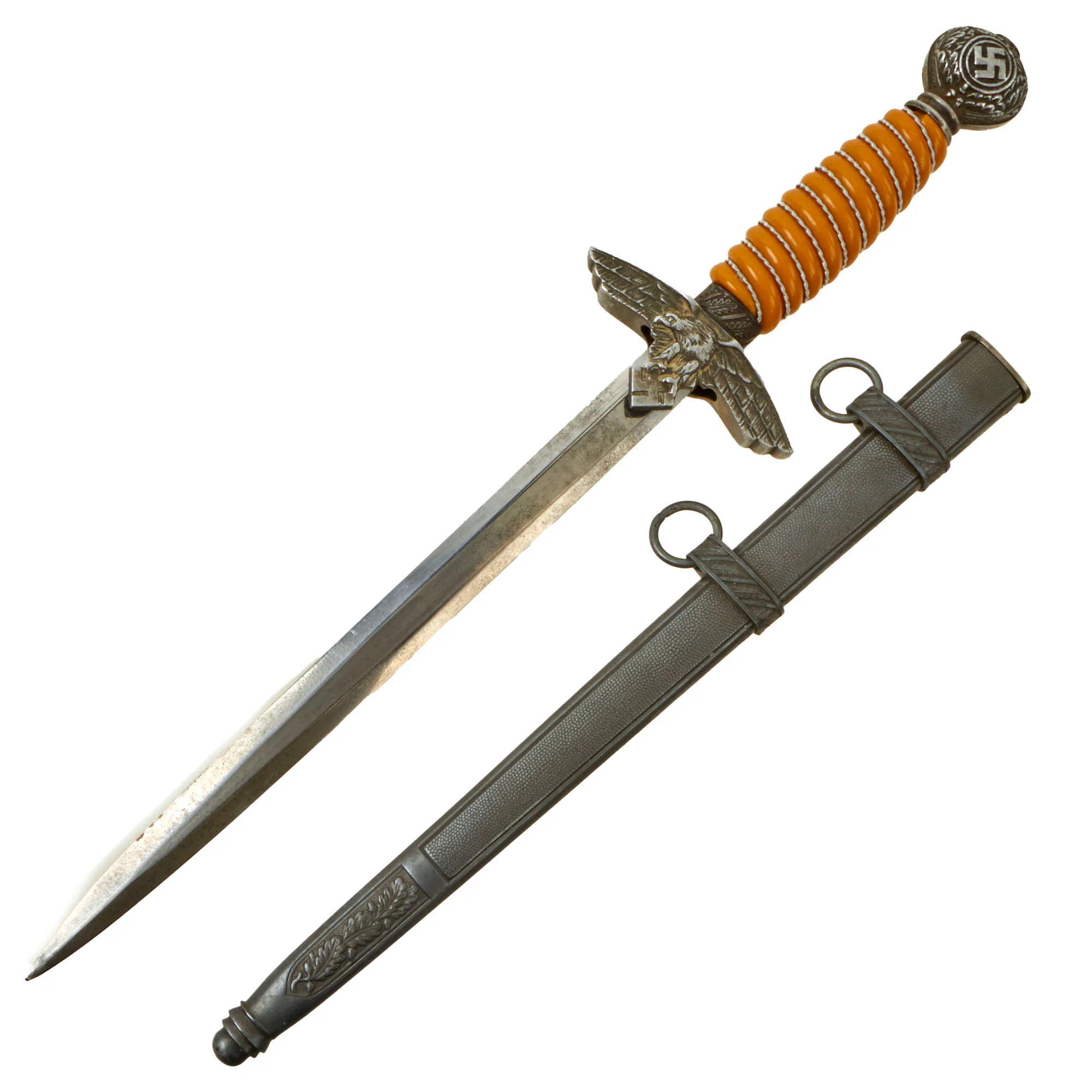
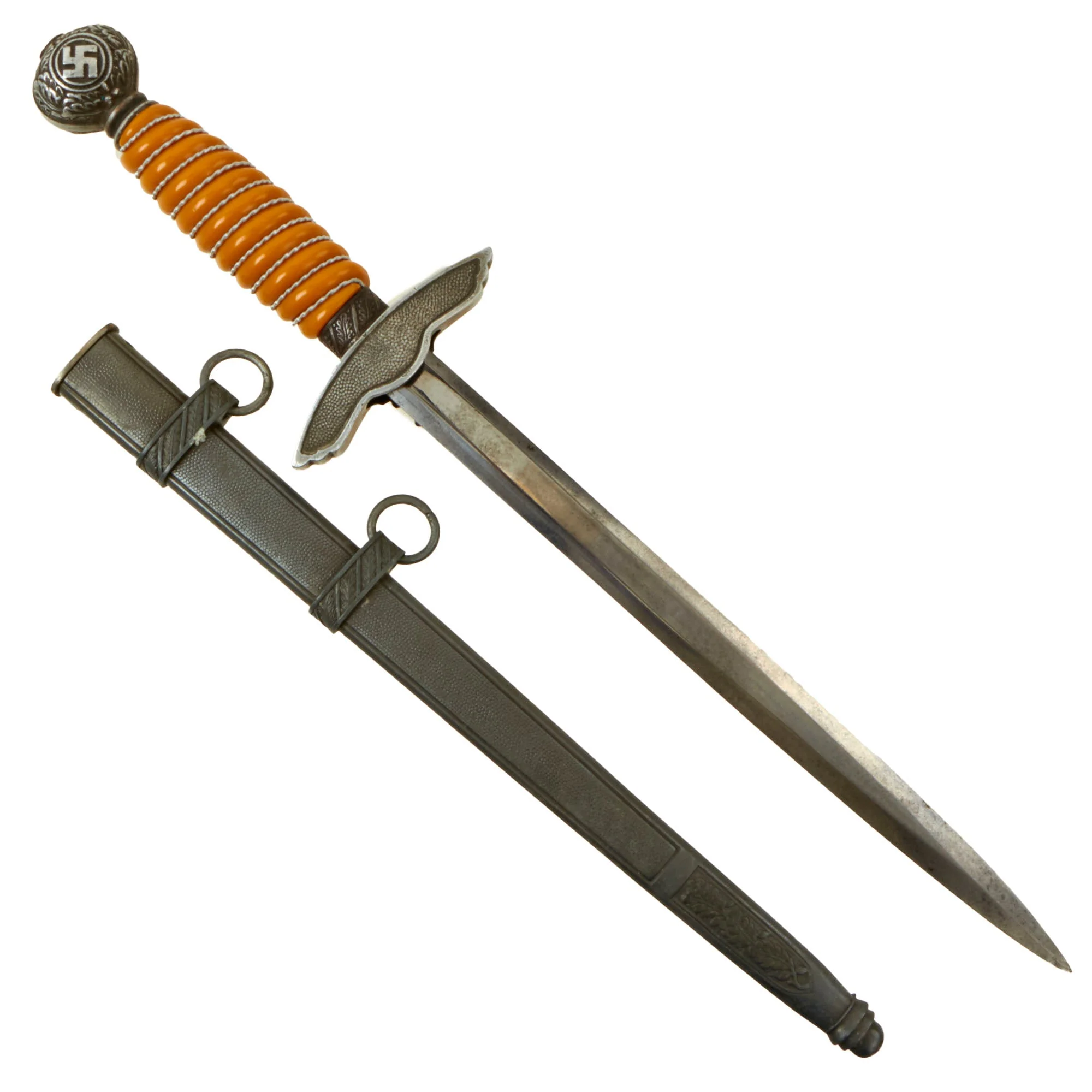
Original Item: Only One Available. Issue quality IJN enlisted hat in dark blue navy wool. Standard cap tally of embroidered golden characters on a black ribbon and two anchors. The talley present is the standard “GREAT JAPAN IMPERIAL NAVY”. The embroidery is in great shape without any loss to the characters. There is a tag on the interior, a good research project.
The stiffening rim spring is present, and it has not rusted or broken. Hat comes complete, and the original string chinstrap is retained and unbroken, rare to see! The hat displays well, is not crushed or broken. There is some mothing in the crown and oxidation to the grommets. Overall a very good condition Japanese Imperial Navy WW2 enlisted man's hat. Size is approximately 56cm or 7 US. These are very hard to find!
The Imperial Japanese Navy in World War II, at the beginning of the Pacific War in December 1941, was the third most powerful navy in the world, and the naval air service was one of the most potent air forces in the world. During the first six months of the war, the Imperial Japanese Navy enjoyed spectacular success inflicting heavy defeats on Allied forces, being undefeated in every battle. The attack on Pearl Harbor crippled the battleships of the US Pacific Fleet, while Allied navies were devastated during the conquest of Southeast Asia. Japanese naval aircraft were also responsible for the sinkings of HMS Prince of Wales and HMS Repulse which was the first time that capital ships were sunk by aerial attack while underway. In April 1942, the Indian Ocean raid drove the Royal Navy from South East Asia. After these successes, the Japanese now concentrated on the elimination and neutralization of strategic points from where the Allies could launch counteroffensives against Japan's conquests. However, at Coral Sea the Japanese were forced to abandon their attempts to isolate Australia while the defeat at Midway saw them forced on the defensive. The campaign in the Solomon Islands, in which the Japanese lost the war of attrition, was the most decisive; they had failed to commit enough forces in sufficient time.
During 1943 the Allies were able to reorganize their forces and American industrial strength began to turn the tide of the war. American forces ultimately managed to gain the upper hand through a vastly greater industrial output and a modernization of its air and naval forces. In 1943, the Japanese also turned their attention to the defensive perimeters of their previous conquests. Forces on Japanese held islands in Micronesia were to absorb and wear down an expected American counteroffensive. However, American industrial power become apparent and the military forces that faced the Japanese in 1943 were so overwhelming in firepower and equipment, that from the end of 1943 to 1944 Japan's defensive perimeter failed to hold. Defeat at the Philippine Sea was a disaster for Japanese naval air power with American pilots terming it, the Great Marianas Turkey Shoot, while the battle of Leyte Gulf led to the destruction of a large part of the surface fleet. Consequently, the Japanese lost control of the Western Pacific. During the last phase of the war, the Japanese resorted to a series of desperate measures, including a variety of Special Attack Units which were popularly called kamikaze. By May 1945, most of the Imperial Japanese Navy had been sunk and the remnants had taken refuge in Japan's harbors. By July 1945, all but one of its capital ships had been sunk in raids by the United States Navy. At the end of the war, the IJN had lost 334 warships and 300,386 officers and men.

Details & Craftsmanship
Every detail has been carefully considered to bring you the perfect product.

Details & Craftsmanship
Every detail has been carefully considered to bring you the perfect product.

Details & Craftsmanship
Every detail has been carefully considered to bring you the perfect product.

Details & Craftsmanship
Every detail has been carefully considered to bring you the perfect product.

Details & Craftsmanship
Every detail has been carefully considered to bring you the perfect product.

Details & Craftsmanship
Every detail has been carefully considered to bring you the perfect product.

Details & Craftsmanship
Every detail has been carefully considered to bring you the perfect product.

Details & Craftsmanship
Every detail has been carefully considered to bring you the perfect product.

Details & Craftsmanship
Every detail has been carefully considered to bring you the perfect product.

Details & Craftsmanship
Every detail has been carefully considered to bring you the perfect product.
Description
Original Item: Only One Available. Issue quality IJN enlisted hat in dark blue navy wool. Standard cap tally of embroidered golden characters on a black ribbon and two anchors. The talley present is the standard “GREAT JAPAN IMPERIAL NAVY”. The embroidery is in great shape without any loss to the characters. There is a tag on the interior, a good research project.
The stiffening rim spring is present, and it has not rusted or broken. Hat comes complete, and the original string chinstrap is retained and unbroken, rare to see! The hat displays well, is not crushed or broken. There is some mothing in the crown and oxidation to the grommets. Overall a very good condition Japanese Imperial Navy WW2 enlisted man's hat. Size is approximately 56cm or 7 US. These are very hard to find!
The Imperial Japanese Navy in World War II, at the beginning of the Pacific War in December 1941, was the third most powerful navy in the world, and the naval air service was one of the most potent air forces in the world. During the first six months of the war, the Imperial Japanese Navy enjoyed spectacular success inflicting heavy defeats on Allied forces, being undefeated in every battle. The attack on Pearl Harbor crippled the battleships of the US Pacific Fleet, while Allied navies were devastated during the conquest of Southeast Asia. Japanese naval aircraft were also responsible for the sinkings of HMS Prince of Wales and HMS Repulse which was the first time that capital ships were sunk by aerial attack while underway. In April 1942, the Indian Ocean raid drove the Royal Navy from South East Asia. After these successes, the Japanese now concentrated on the elimination and neutralization of strategic points from where the Allies could launch counteroffensives against Japan's conquests. However, at Coral Sea the Japanese were forced to abandon their attempts to isolate Australia while the defeat at Midway saw them forced on the defensive. The campaign in the Solomon Islands, in which the Japanese lost the war of attrition, was the most decisive; they had failed to commit enough forces in sufficient time.
During 1943 the Allies were able to reorganize their forces and American industrial strength began to turn the tide of the war. American forces ultimately managed to gain the upper hand through a vastly greater industrial output and a modernization of its air and naval forces. In 1943, the Japanese also turned their attention to the defensive perimeters of their previous conquests. Forces on Japanese held islands in Micronesia were to absorb and wear down an expected American counteroffensive. However, American industrial power become apparent and the military forces that faced the Japanese in 1943 were so overwhelming in firepower and equipment, that from the end of 1943 to 1944 Japan's defensive perimeter failed to hold. Defeat at the Philippine Sea was a disaster for Japanese naval air power with American pilots terming it, the Great Marianas Turkey Shoot, while the battle of Leyte Gulf led to the destruction of a large part of the surface fleet. Consequently, the Japanese lost control of the Western Pacific. During the last phase of the war, the Japanese resorted to a series of desperate measures, including a variety of Special Attack Units which were popularly called kamikaze. By May 1945, most of the Imperial Japanese Navy had been sunk and the remnants had taken refuge in Japan's harbors. By July 1945, all but one of its capital ships had been sunk in raids by the United States Navy. At the end of the war, the IJN had lost 334 warships and 300,386 officers and men.